Airbus recently announced that it will lead the aircraft manufacturing industry with titanium alloy 3D printing technology. The company stated that, in the future, load-bearing and fatigue-prone components on commercial aircraft will be manufactured layer by layer using additive manufacturing technology, rather than being cut from solid material as in traditional subtractive methods. Over the years, Airbus has been actively preparing to achieve this goal, and it is gradually becoming a reality.
Airbus specifically mentioned the wire-fed Directed Energy Deposition (w-DED) 3D printing technology. This technology uses a multi-axis robotic arm and titanium wire for high-precision movement. The energy source, typically a laser, plasma, or electron beam, focuses on the titanium wire during the 3D printing process, instantly melting it and bonding it layer by layer onto the surface.
Technically, it is similar to welding but guided by a 3D model, allowing the object to be printed from “nothing” to form a so-called “blank.” This blank closely resembles the final desired shape, termed “near-net shaping,” and then undergoes subtractive machining to achieve the precise dimensions required by the part design. Compared to traditional subtractive manufacturing methods, such as sheet metal processing or forging, this titanium alloy additive manufacturing technology produces aircraft structural components with less material waste.
Using Energy Deposition Process for 3D Printing Large Aircraft Components
Airbus pointed out that although metal 3D printing technology has been applied in the aerospace industry for about a decade, the primary process used has been Laser Powder Bed Fusion (LPBF) 3D printing, with parts typically being small, around 500mm in size.
However, Airbus envisioned using 3D printing technology to manufacture entire aircraft fuselages a decade ago, and even with LPBF technology, achieving that goal would still be impossible even after 20 more years. In contrast, energy deposition technology can manufacture large, complex parts, and there have already been numerous public exhibitions and announcements showcasing the use of Laser Directed Energy Deposition (DED) technology in main load-bearing structures of aircraft.
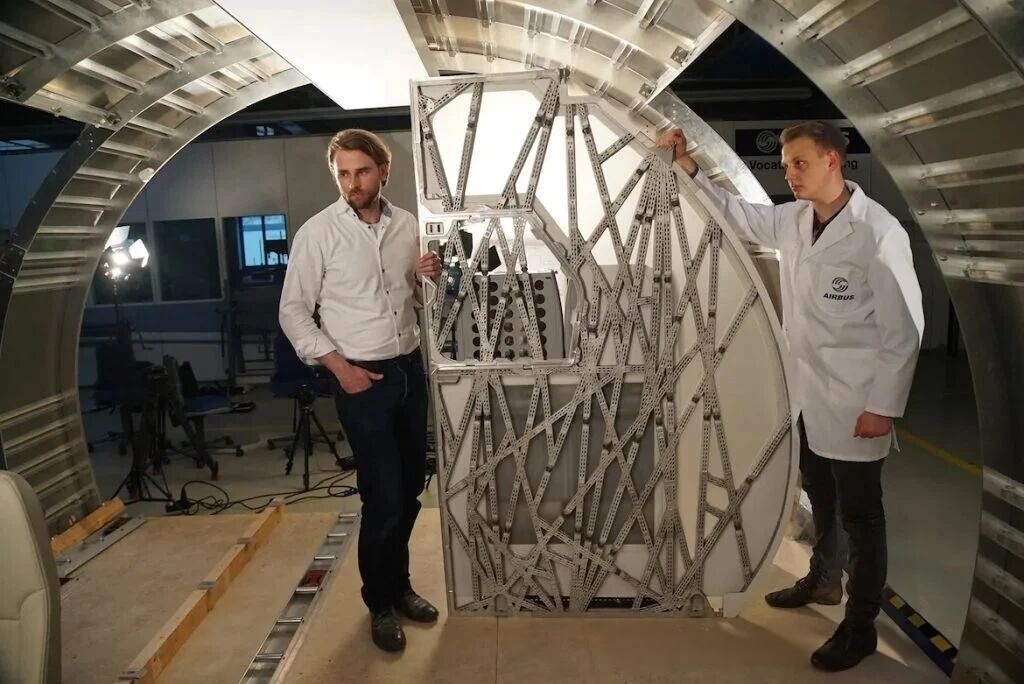
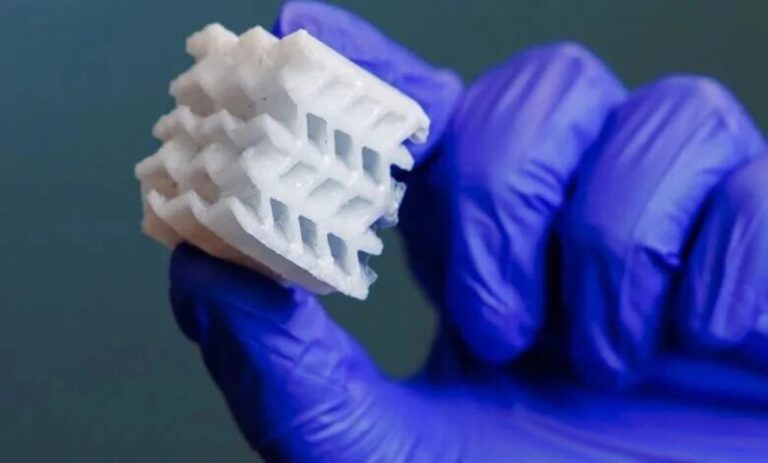
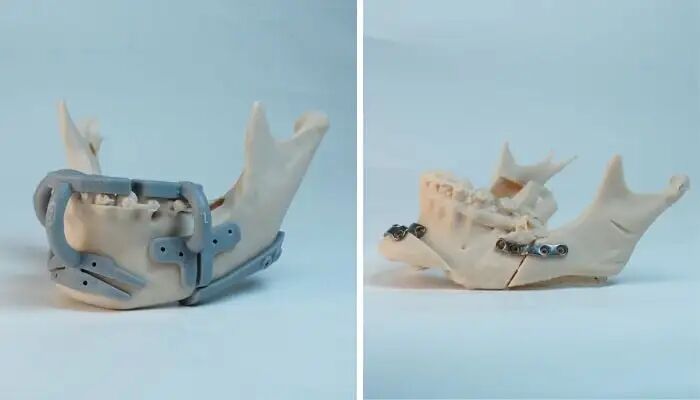
Early Airbus use of LPBF metal 3D printing to manufacture assembled functional components.
Helps Reduce Titanium Raw Material Waste
Why focus on titanium? Titanium metal is a key material in aircraft manufacturing due to its high strength, lightweight properties, and compatibility with modern carbon fiber composite structures (such as corrosion resistance, relative expansion coefficients, and other performance characteristics). However, titanium alloys are also high-value raw materials, making the conservation of titanium resources critical.
Traditionally, titanium alloys are manufactured using forging processes, which require subtractive machining to achieve the final parts, resulting in a significant amount of “waste.” In the aircraft manufacturing industry, this is typically measured by the “buy-to-fly ratio,” which is the ratio of the raw material purchased to the amount actually used in the aircraft. In conventional processes, titanium alloy waste amounts to 80%-95%.
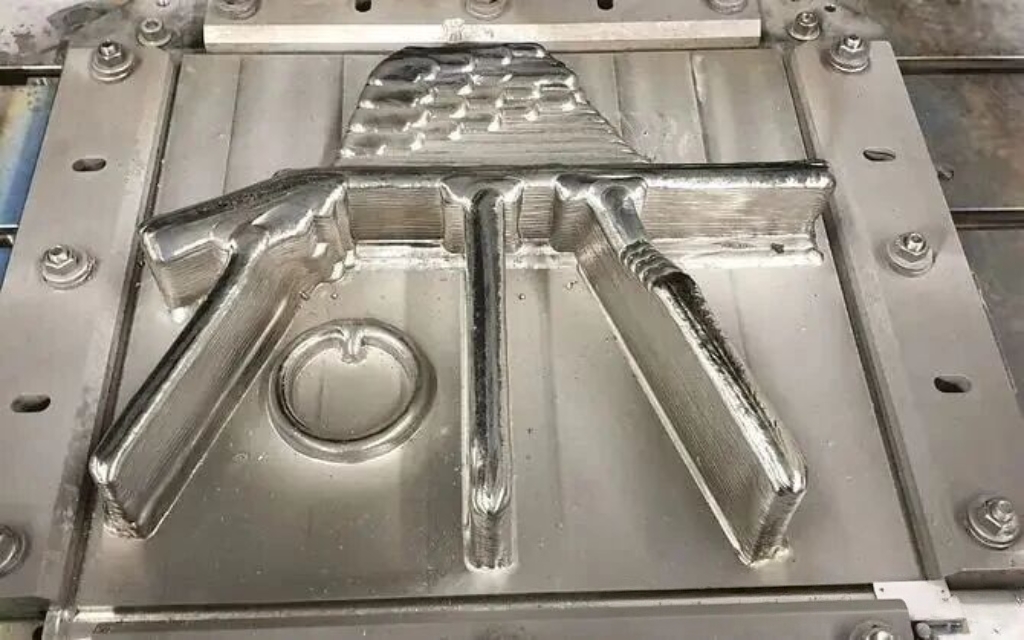
Airbus DED-manufactured near-net-shape large components.
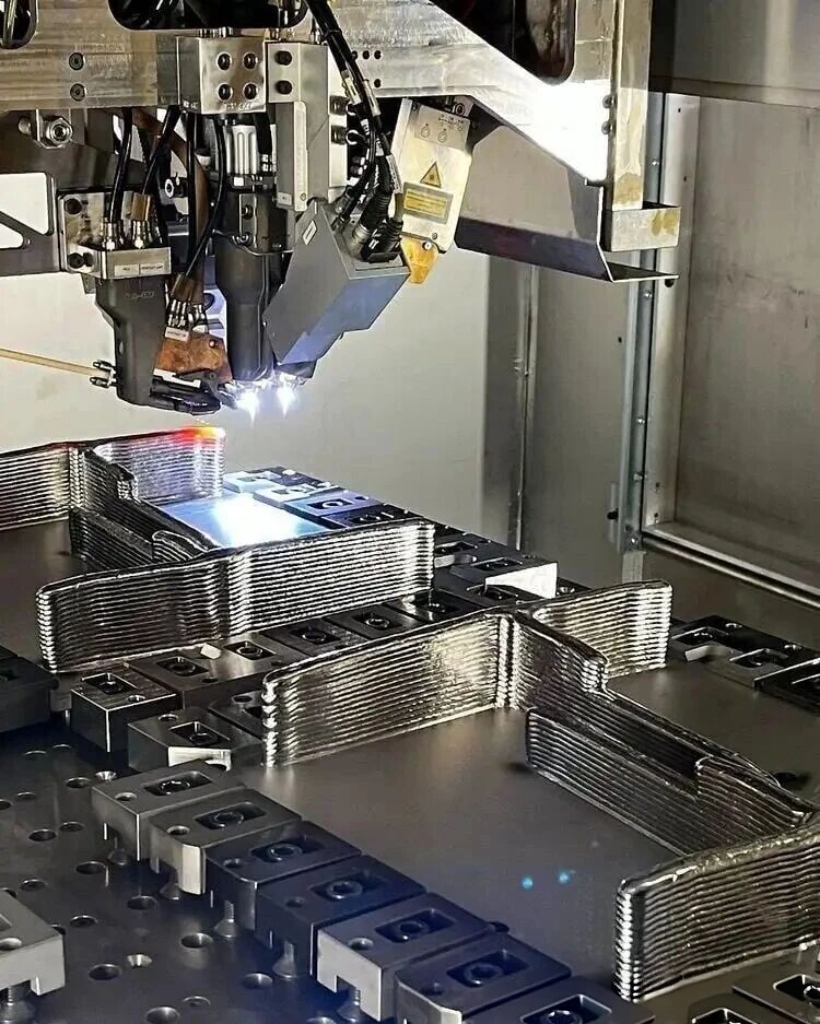
Norwegian Titanium Plasma Deposition 3D Printed Titanium Alloy
With the use of 3D printing technology, much of this waste is avoided at the source. This is because the parts “grow” into shapes that are already very close to the final design (“near-net shaping”), greatly reducing the amount of material that needs to be removed through machining.
First Validation of Airbus A350 Production
Airbus has recently begun integrating large DED 3D printed parts into the cargo door area of the A350. These dedicated parts, used during the exploratory phase, are 3D printed using plasma metal wire DED technology. After ultrasonic testing, the parts are processed and installed at the Airbus factory.
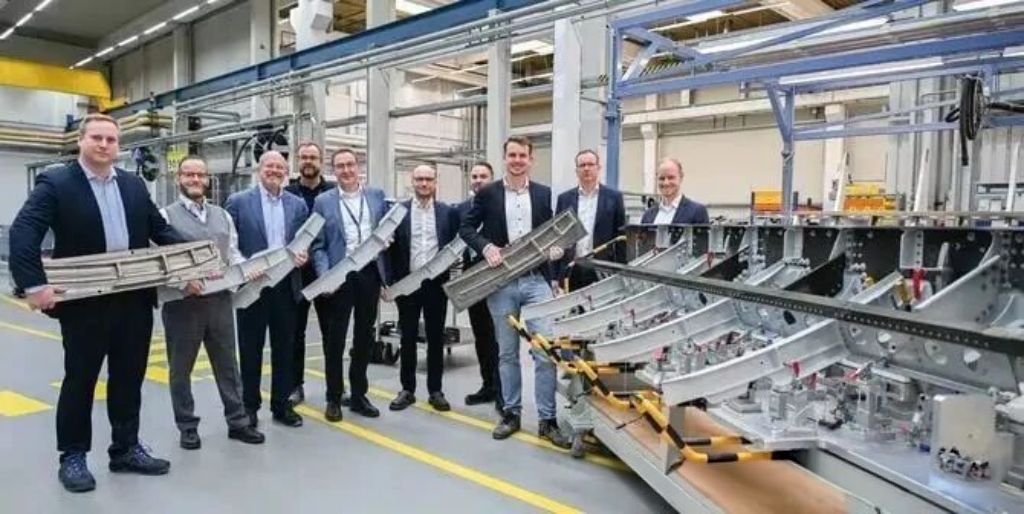
First Delivery of DED Lower Frames
These parts are identical in both function and geometry to the traditional forged components they replace, yet they provide immediate and substantial cost savings.
Airbus’s next goal is to start with the DED 3D printed parts for the A350 and gradually expand their use to other projects and critical applications in other aircraft, including, in the long term, wings and landing gear.
Importantly, this technology realizes the concept of “Design for Distributed Energy Design (DED).” Engineers no longer need to design complex components as multiple separate parts that are then assembled together. Instead, they can design it as a single, refined, and optimized component that is printed in one go. The advantage of merging multiple components into one simplifies the supply chain, reduces assembly labor, shortens production cycles, and fully unlocks the potential for the next generation of 3D printed commercial aircraft.
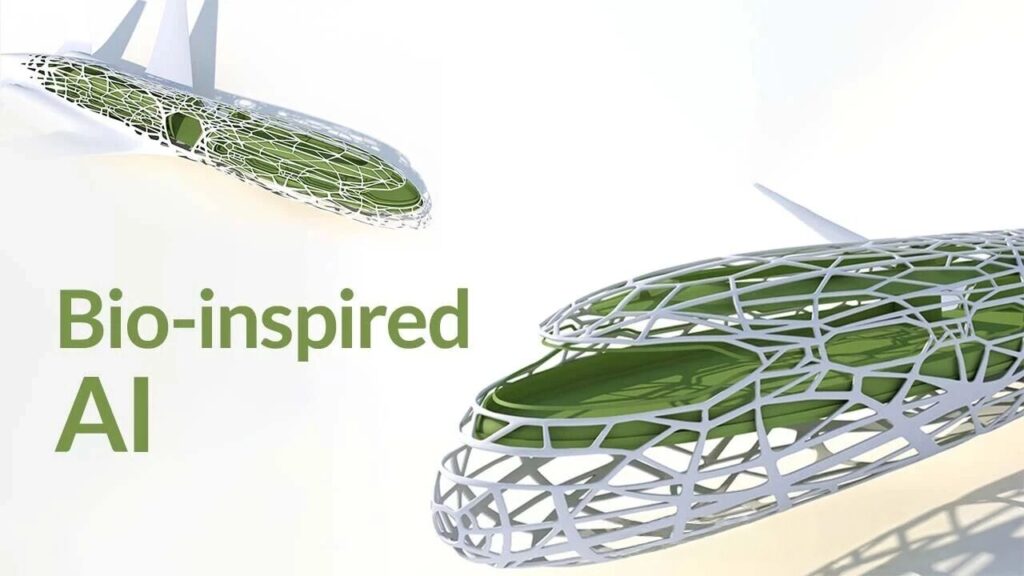
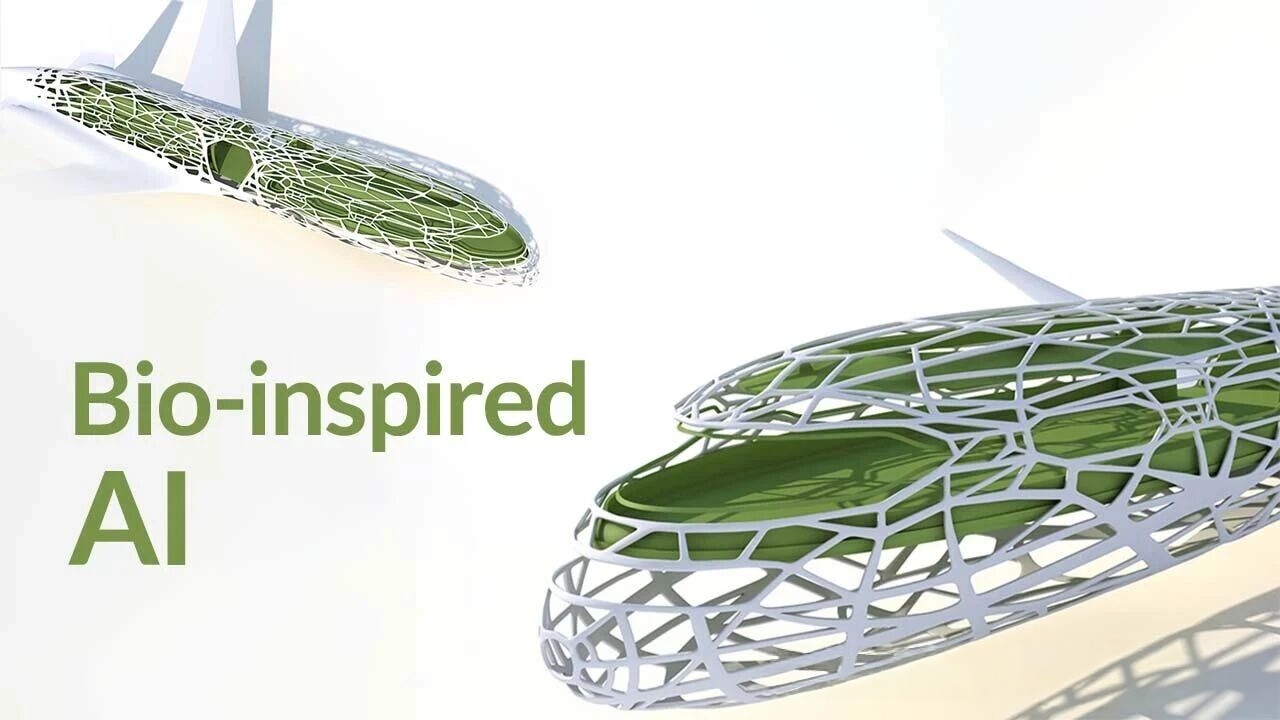
Airbus Future Aircraft Concept Design
Currently, Airbus and its partners are actively advancing the accumulation of experience with Directed Energy Deposition (DED) technology for key components, achieving remarkable results. Engineers are testing various energy sources, including plasma, arc welding, electron beams, and lasers, while evaluating two strategies: “outsourcing” (external printing) and “in-house” (internal production). Furthermore, as this technology is managed at the Airbus Group level, the final outcomes will become industry standards and be applied across the entire company.