
Sungrow Launches Cutting-Edge Hydrogen Technology Laboratory in Germany, Equipped with 3D Printing Capabilities
Munich, Germany – Sungrow has established a European Hydrogen Technology Laboratory in Munich, integrating material manufacturing, component testing, and digital data analysis. The state-of-the-art platform is equipped with advanced tools including 3D printing, scanning electron microscopy, and high-precision PEM assembly, enabling comprehensive research and development in hydrogen technology.
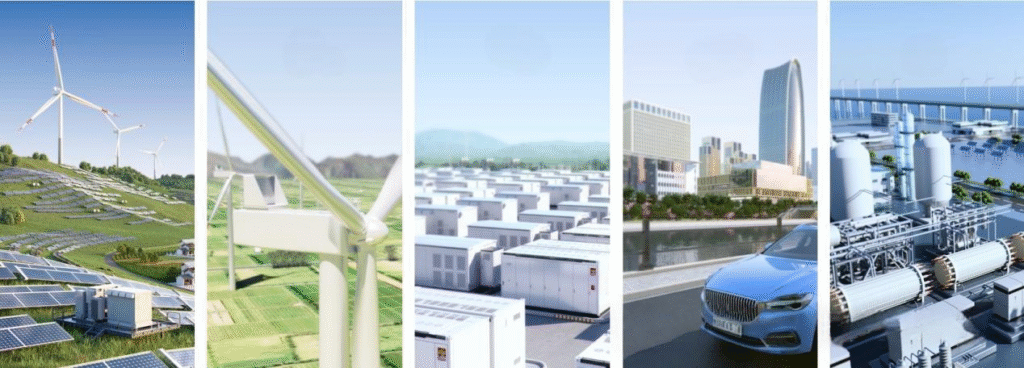
As a global leader in photovoltaic inverters, energy storage systems, and new energy vehicle drive solutions, Sungrow is committed to accelerating the adoption of clean energy and driving the global energy transition.
Application of 3D Printing in Product and Mold Development
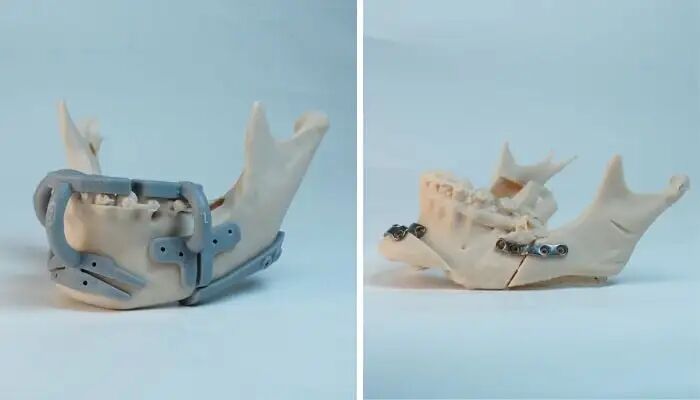
3D printing technology is revolutionizing traditional mold development. By building objects layer by layer, it enables the rapid and direct production of molds—such as injection mold cores, cavities, or investment casting patterns—without the need for conventional machining.
Key Advantages:
Significantly Reduced Lead Time: Shortens traditional processing cycles from weeks to just days or even hours, accelerating time-to-market.
Lower Costs: Particularly suitable for complex structures and small- to medium-volume prototyping, eliminating the need for expensive tooling and machining.
Greater Design Freedom: Allows the integration of optimized features such as conformal cooling channels, improving cooling efficiency by more than 20% and enhancing product quality and production efficiency.
Low Risk, Flexible Iteration: Supports rapid prototyping and multiple rounds of design modifications and functional testing before committing to full-scale steel mold production.
Today, 3D printing has become an indispensable element of agile manufacturing—driving product innovation, reducing risks, and strengthening competitiveness across industries.

3D Printing in Medical and Surgical Biotech Applications
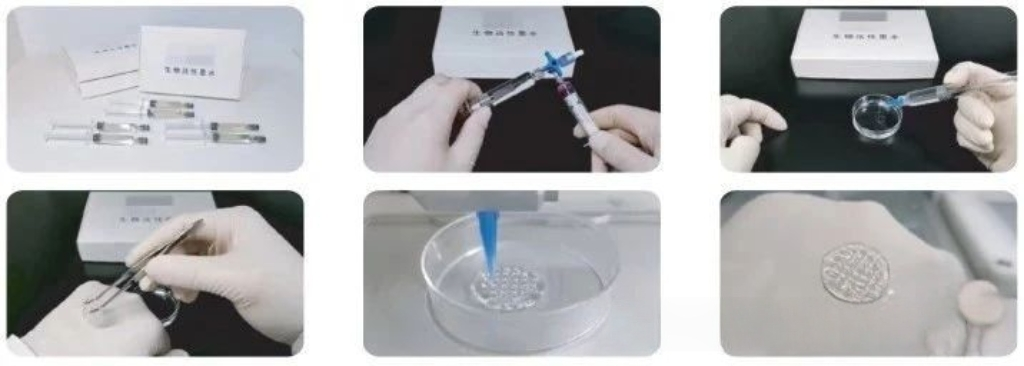
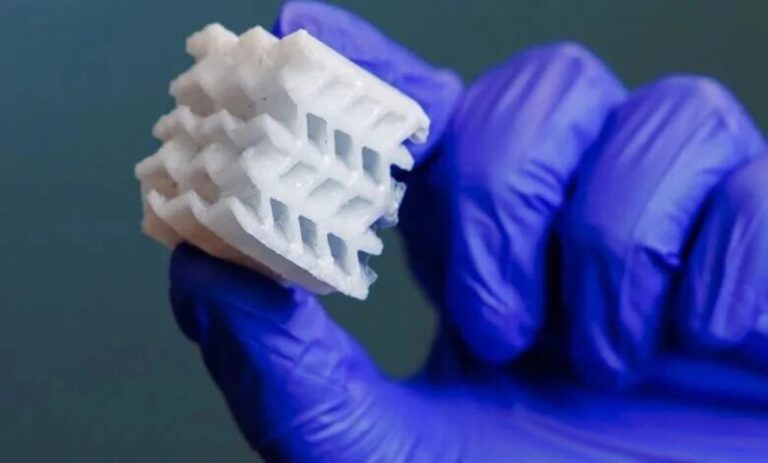
3D-printed biomaterials are driving breakthroughs in medical applications, with bioprinting emerging as one of the company’s core technology platforms.
The newly developed 3D-printed biomedical materials specifically address critical demands in trauma wound repair and functional regeneration. Through innovative strategies for artificial skin construction, researchers have overcome long-standing challenges in seed cell selection, optimization, and process stability. This has led to the establishment of a new mechanism for functional regeneration of skin appendages following wound healing.
For the first time globally, the technology has achieved the construction of functional skin with appendages, tackling key technical bottlenecks such as unstable repair cell sources and limited functional skin regeneration. The resulting bioengineered skin can be applied to rapid hemostasis, wound closure, and infection prevention.
Moreover, the platform enables the customized production of personalized bioactive skin substitutes, offering precise therapeutic solutions for various chronic wounds.