In 2023, Wilson unveiled a 3D-printed, airless concept basketball at the NBA All-Star Slam Dunk Contest in Salt Lake City, sparking global buzz. However, that basketball was produced using an industrial-grade 3D printer and carried a price tag of $2,500 (about RMB 17,000), making it far from accessible to the average consumer.
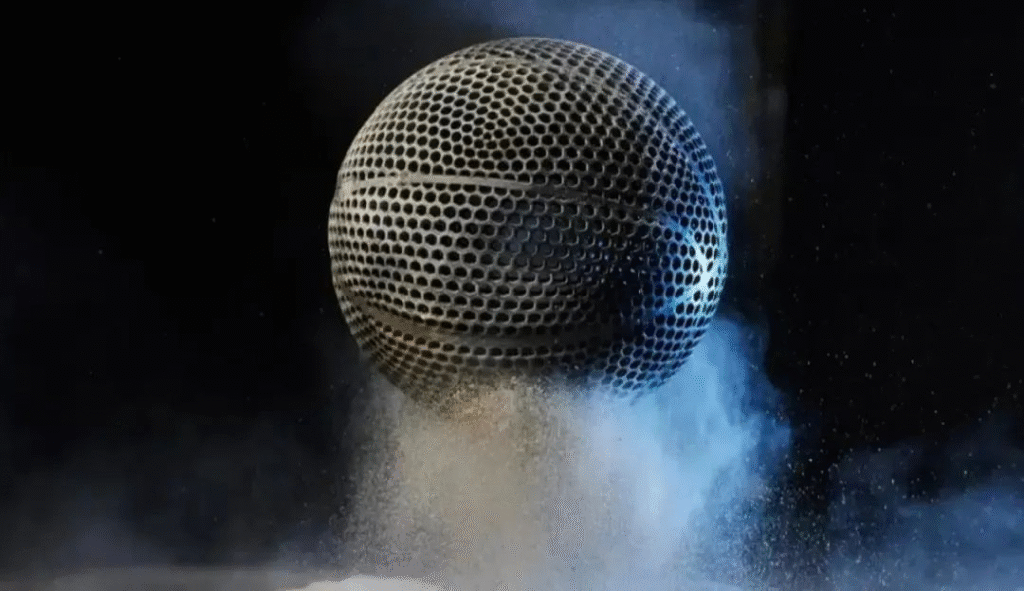
Later, the 3D printing community open-sourced the data model for 3D-printed basketballs, and some enthusiasts began experimenting with FDM 3D printers and TPU filament to print their own basketballs — with successful results.
Following the craze for 3D-printed basketballs, 3D-printed tennis balls are now becoming a hot topic as well. On August 9, 2025, Noé Chouraqui, a Product and Industrial Design student at Central Saint Martins in London, developed a 3D-printed tennis ball called ‘POINT’ as his graduation project.
This unique tennis ball was designed with the goal of reducing environmental waste, as most of the 300 million tennis balls (a total of 20,000 tons) produced globally each year eventually end up in landfills.
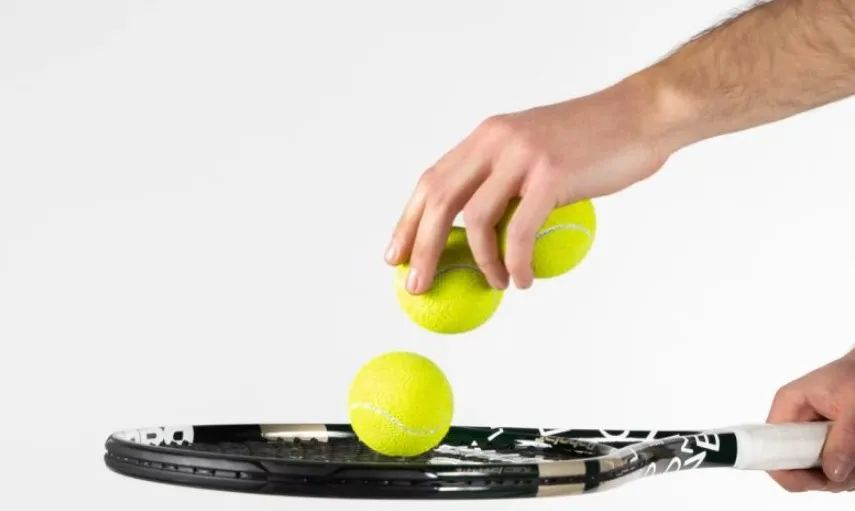
The student explained that traditional tennis balls pose an environmental challenge due to their poor recyclability and short lifespan — in professional play, balls must be replaced every few weeks to maintain optimal performance. After disposal, each ball takes roughly 400 years to decompose.
To address this issue, he developed a tennis ball printed with PLA-HR, a high-resilience material. PLA-HR is a PLA variant produced by the Chinese brand BIQU and is commonly used in the manufacturing of basketballs. Like standard PLA, this material is industrially biodegradable and carries a lower carbon footprint compared to conventional plastics.
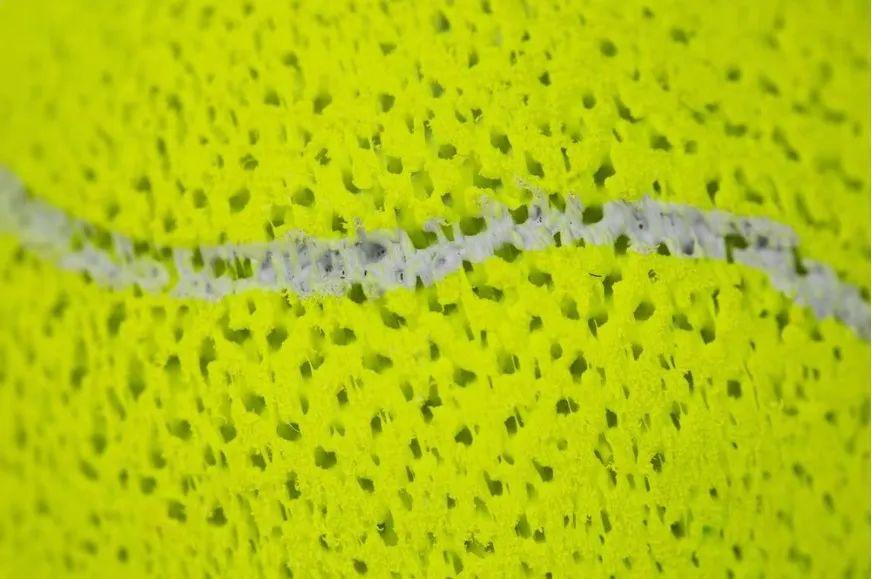
The student designed and 3D-printed a tennis ball with performance and bounce characteristics very similar to a conventional tennis ball — but without the negative environmental impact. He estimates that the new design could reduce material waste by up to 90%.
Reportedly, extensive testing and experimentation were conducted on materials, internal lattice structures, and printing parameters. These rigorous iterations achieved a precise balance between strength, elasticity, and durability, resulting in a unique and efficient patented design.
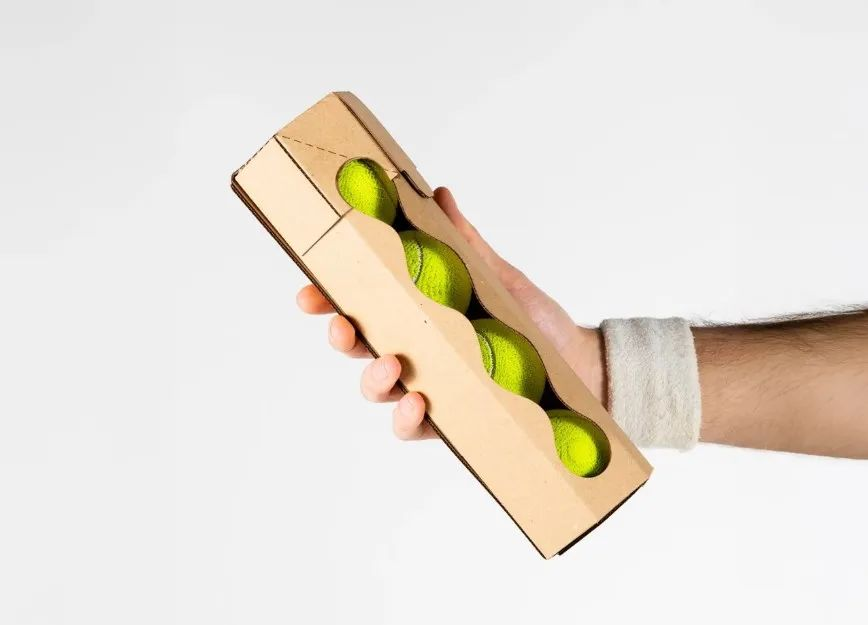
The POINT tennis ball has already been tested by the International Tennis Federation’s (ITF) Head of Science and Technical Department. The student’s goal is to obtain ITF certification so that the ball can eventually be used in official matches. The ITF Technical Committee is currently reviewing POINT’s data, and the outlook appears promising.
In addition, the 3D-printed tennis ball project has attracted attention beyond the university. In July this year, POINT was awarded the ‘Design for Planet Award’ by the UK’s Design Council, a non-profit organization.