Recently, the 3D printing maker channel Roetz 4.0 introduced an innovative 3D printing technology called Directed Multi-Material Deposition (DMD). This technique enables integrated multi-color and multi-material 3D printing through co-extrusion, eliminating the need for traditional color switching, purge towers, or waste handling in conventional multi-color printing processes.
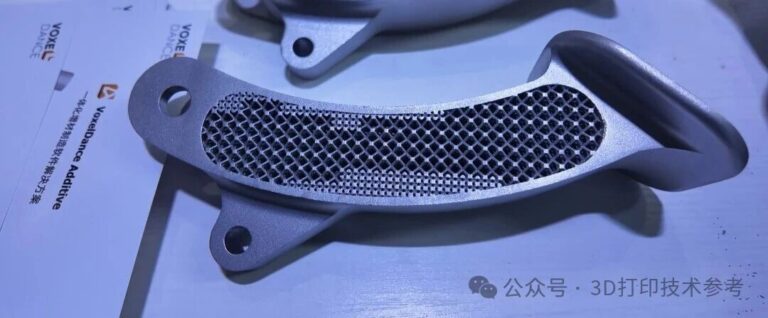
They were able to achieve this in a short time by developing a four-channel co-extrusion hotend with a high degree of design freedom. Each channel can independently deliver molten filament of different colors or materials. As maker enthusiasts, they used LPBF metal 3D printing to manufacture an integrated hotend made from solid aluminum alloy.
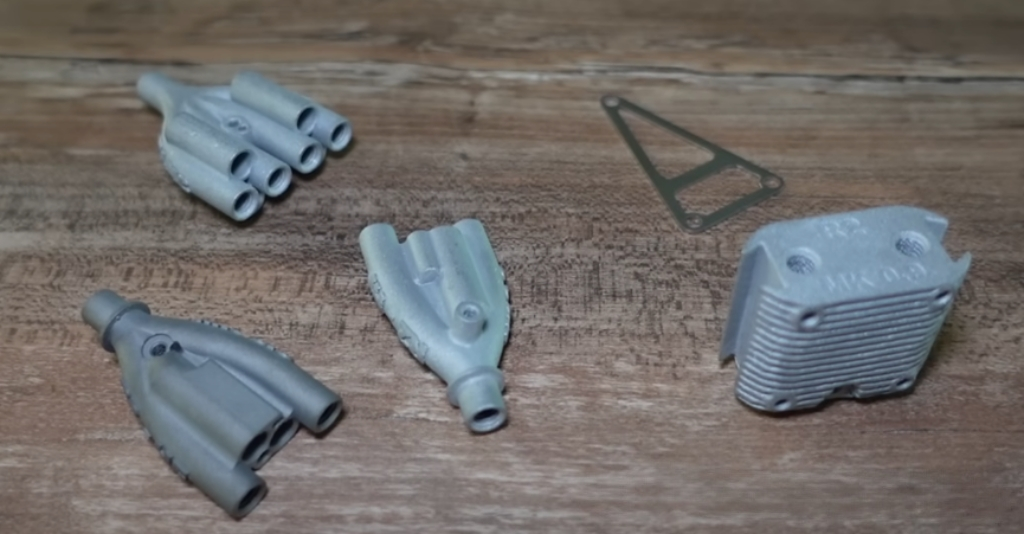
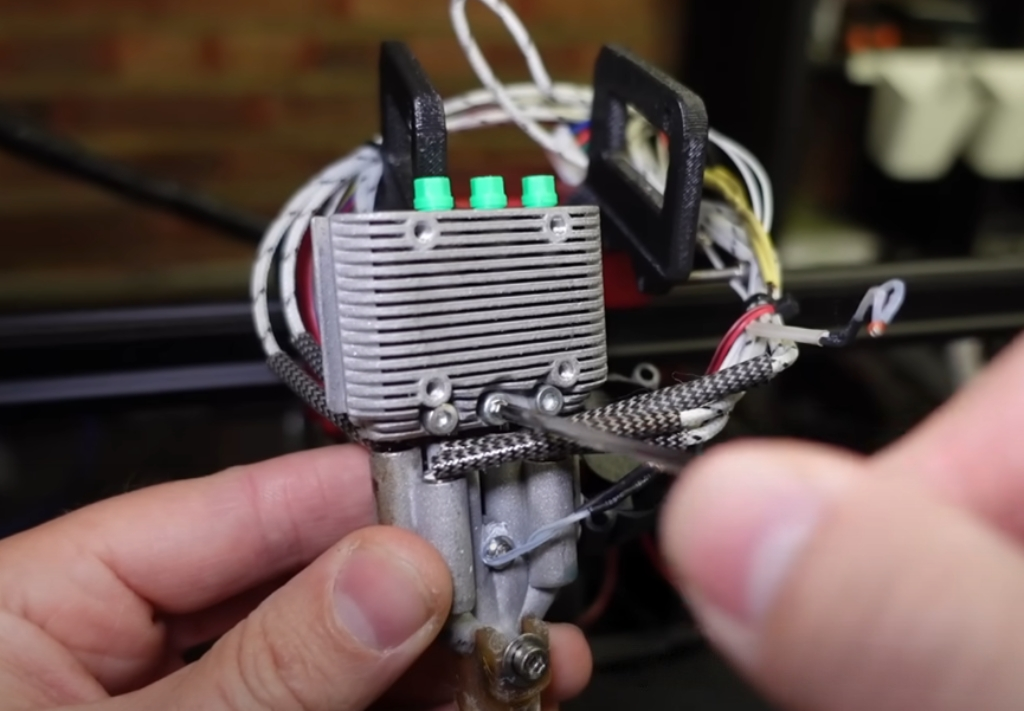
Extruder Hotend Developed by the Team
The internal flow channel design of the hotend allows the four material streams to form a laminar flow at the nozzle outlet, creating clear color/material boundaries—similar to dividing a circular cross-section into four symmetrical sectors. However, this configuration inevitably leads to some color blending between adjacent materials.
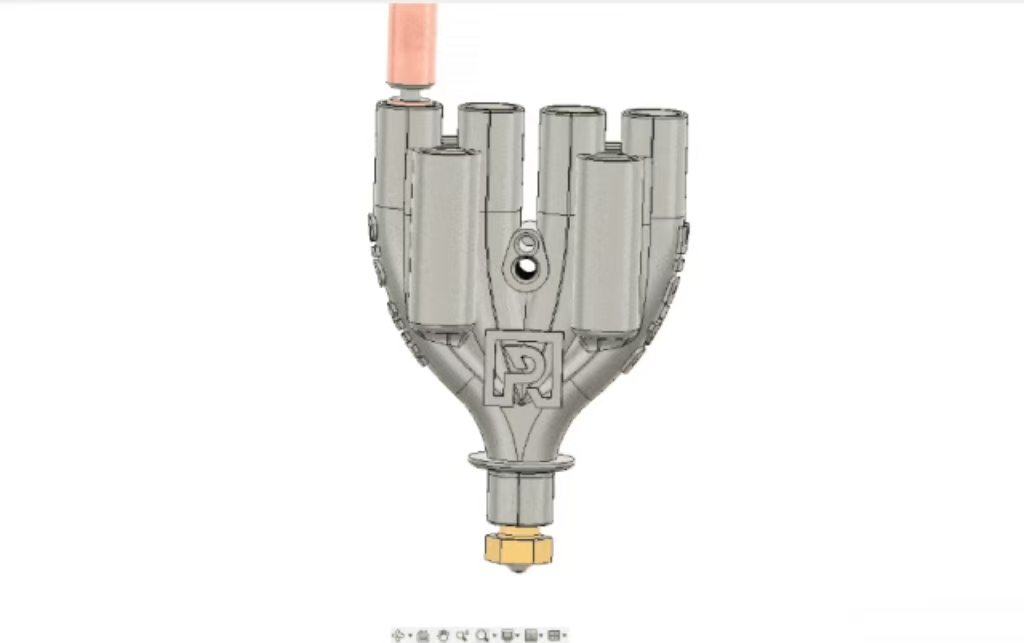
However, by controlling the movement direction of the printhead, the user can actively determine which material appears on the outer surface of the printed part, enabling directional deposition of color or material.
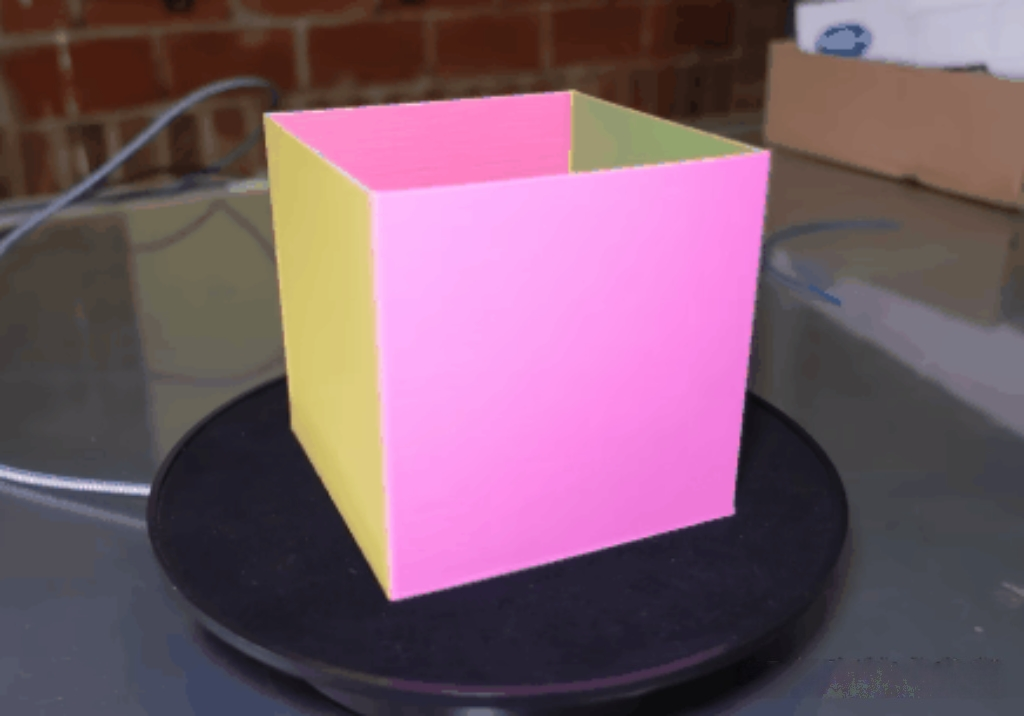
For example, when moving along the X or Y axis, only one material is visible on the exterior; when moving diagonally, two materials partially overlap, creating visual color blending or gradient effects. By adjusting the printing direction layer by layer, it is possible to simulate continuous color transitions without physically mixing the materials.
The developers demonstrated this using blue, yellow, white, and pink filaments simultaneously, resulting in vibrant gradient effects that far surpass what can be achieved with single-color materials.
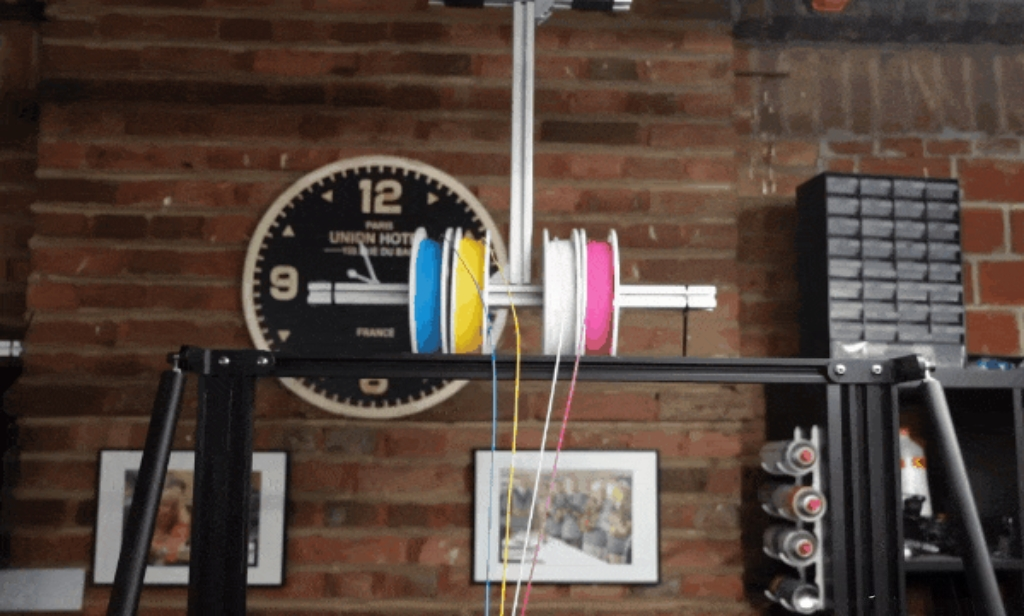
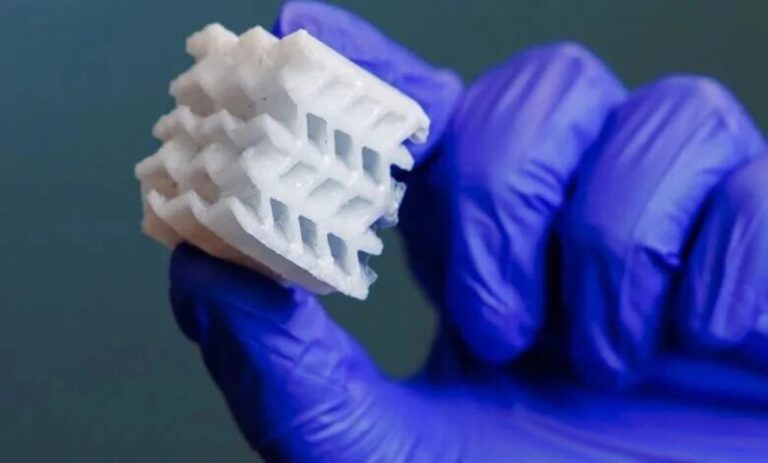
The technology also supports combinational printing with different materials. For example, the inner two channels can extrude PLA, while the outer two channels use TPU, enabling the creation of composite structures with a rigid core and a flexible outer shell. This greatly expands the possibilities for functional and multi-material 3D printing.
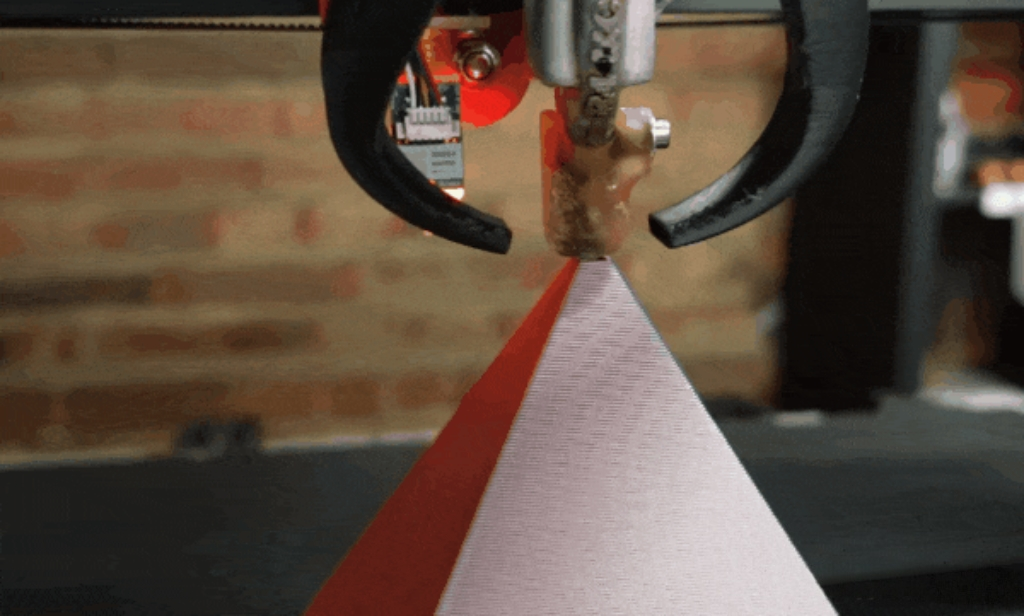
In addition, by rotating the build platform or the nozzle, the system can further enhance spatial control over material deposition, enabling more complex multi-material distributions.
Both the technology and the hotend design have been open-sourced, allowing developers to freely use and expand upon them. The hotend system supports modular assembly and is compatible with multiple extrusion methods.
Preliminary tests show that, with a 1 mm nozzle and a 0.5 mm layer height, the system can achieve a maximum flow rate of 200 mm³/s, demonstrating high-speed printing potential.