Recycled titanium powder has achieved a new milestone in aerospace 3D printing applications. UK-based defense and security company QinetiQ partnered with local additive manufacturing solutions provider AMS to install a structural component made from recycled titanium on an AgustaWestland A109S helicopter, successfully completing flight tests.
The component is a hinge for the aircraft’s aerodynamic data boom. AMS used titanium alloy powder recycled from a retired aircraft to 3D print the hinge, while QinetiQ was responsible for its design and integration.

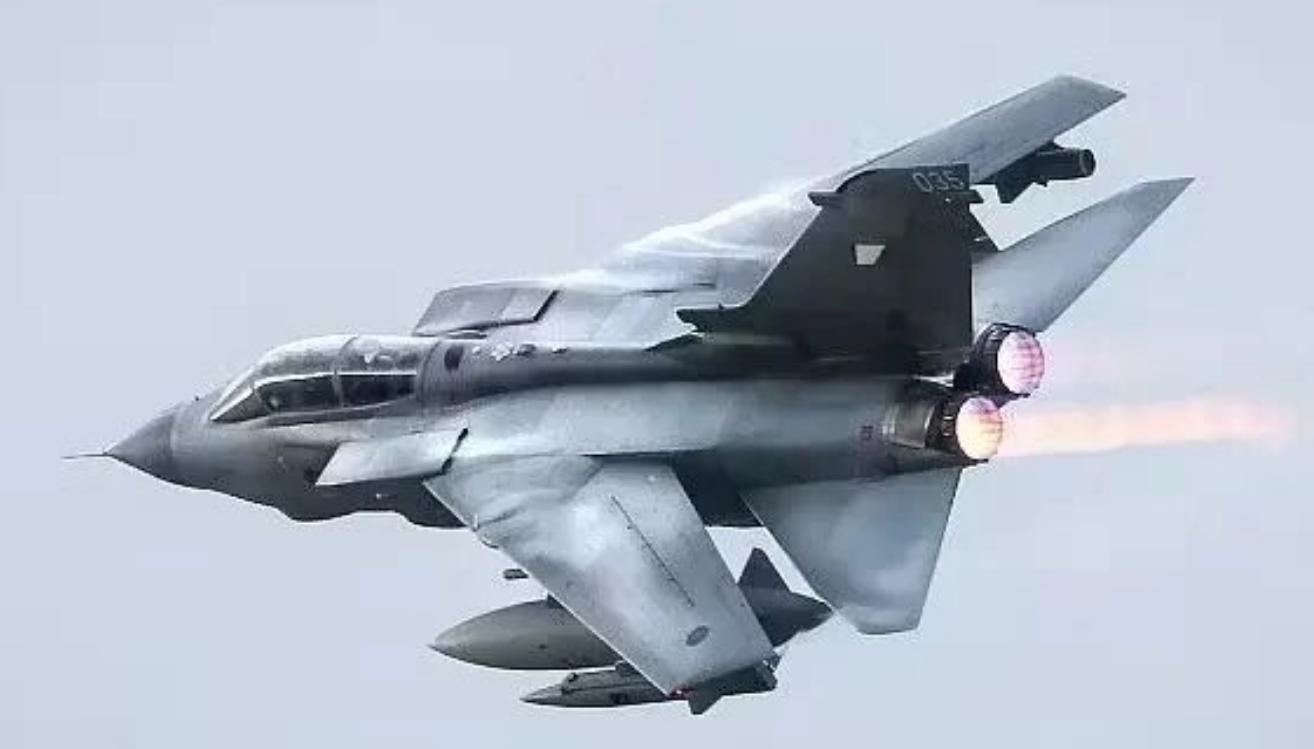
QinetiQ’s AgustaWestland A109S
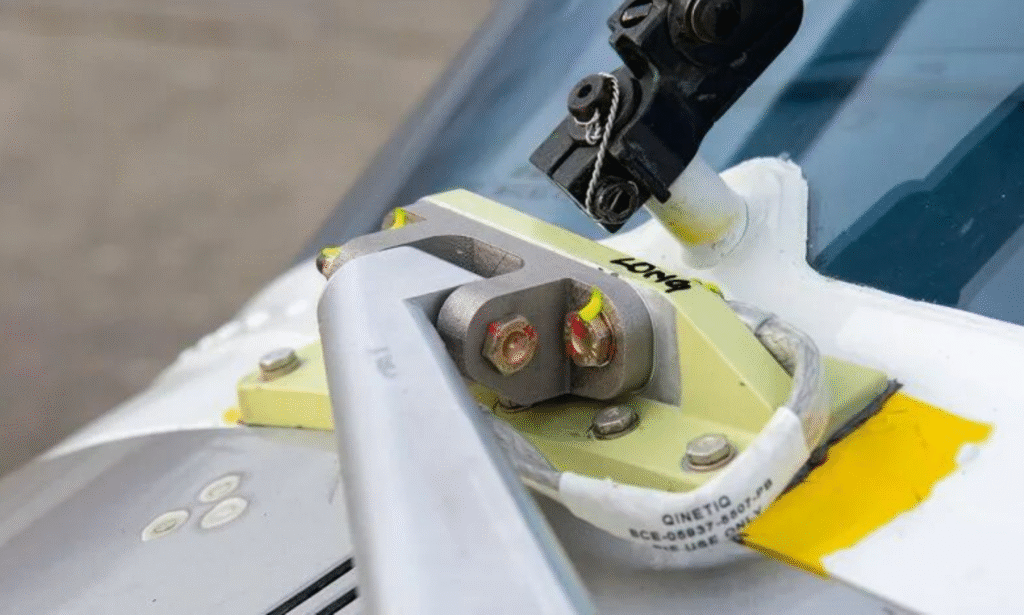
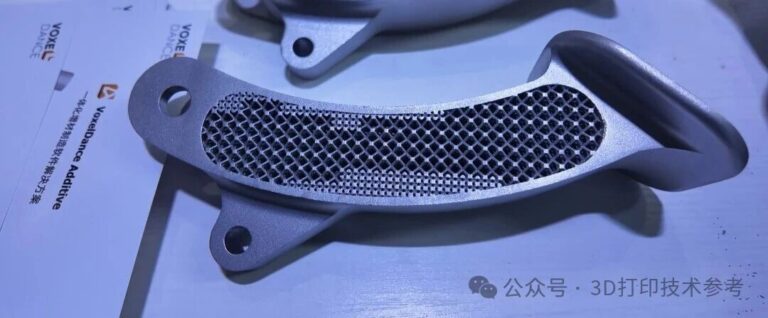
3D-Printed Titanium Aircraft Structural Component
AMS employs a proprietary process to convert scrap metal into powder that meets additive manufacturing quality standards, claiming a material utilization rate of up to 97%. Titanium alloys, known for their exceptional strength-to-weight ratio and corrosion resistance, are the preferred materials in the aerospace and defense sectors. As high-value metals, maintaining a secure and controllable supply chain is particularly important.
The UK is currently promoting initiatives to remanufacture components from decommissioned fighter jets into metal powders, which can then be used in 3D printing to produce new parts for the country’s next-generation military aircraft. According to AMS, if all the titanium stored in retired aircraft were extracted and recycled, the UK could potentially achieve self-sufficiency in aerospace-grade titanium.
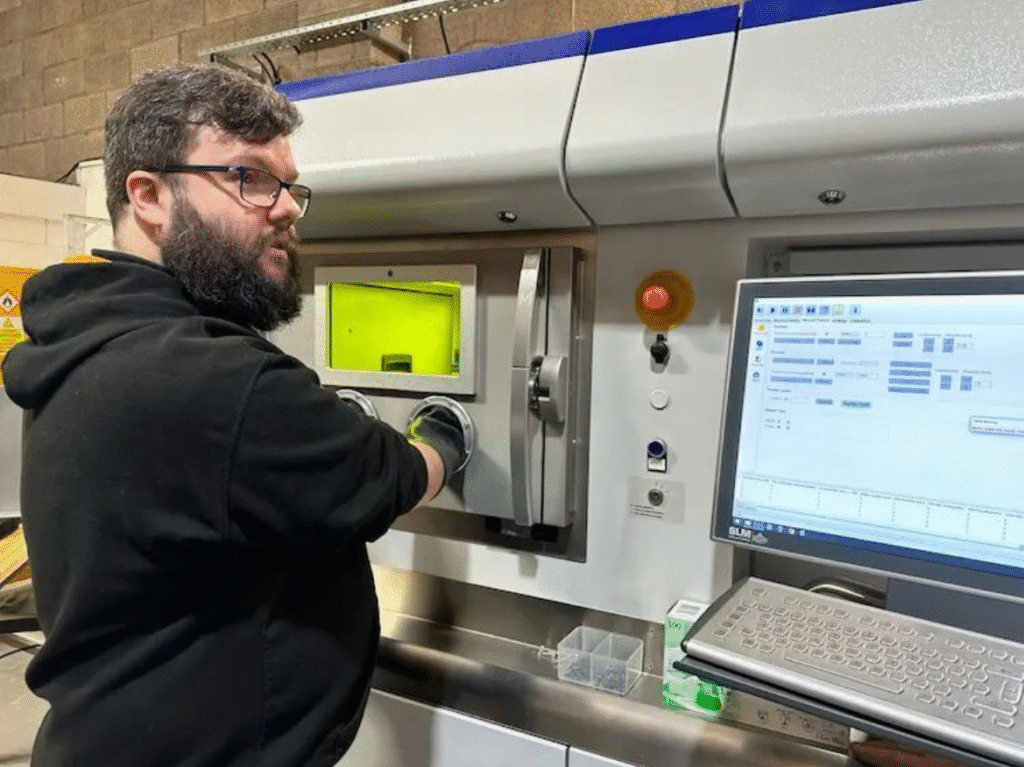
Aerospace 3D Printing Applications of Recycled Titanium
Should Safety Risks Be Considered?
When remanufacturing aerospace components using recycled titanium alloy through 3D printing, safety concerns are inevitable. During the powder reprocessing stage, chemical composition can be adjusted to meet the requirements of a specific alloy grade. However, does meeting compositional standards truly eliminate all risks?
Recycled components that have been in long-term service may already contain high-melting-point oxide or nitride inclusions. These so-called “hard inclusions” can persist through melting and atomization processes, potentially remaining in the newly produced powder. While composition adjustment can control elemental ratios, it may not fully eliminate such inclusions, raising concerns about long-term service reliability.
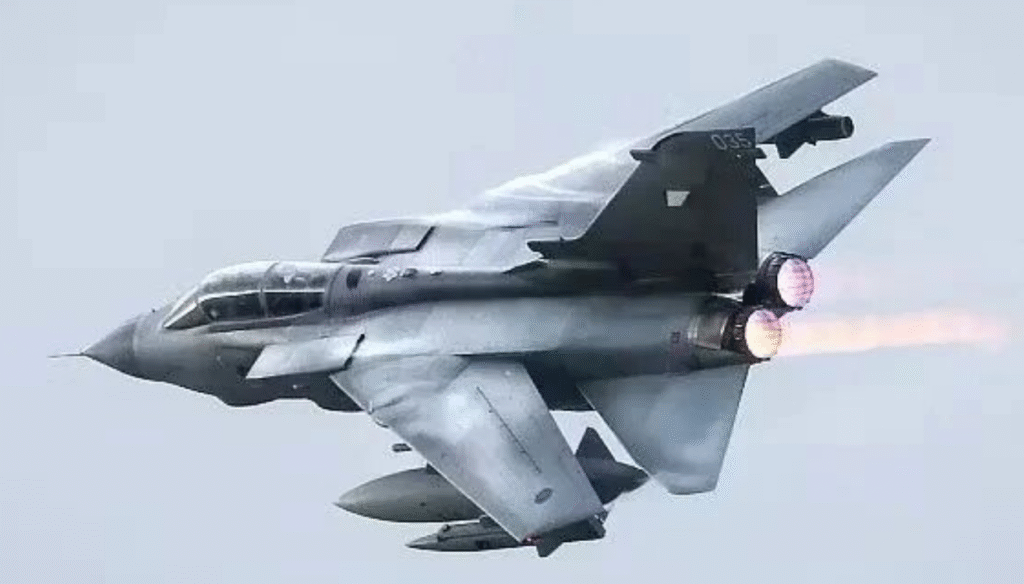
For this reason, the closed-loop recycling of titanium for aerospace 3D printing applications likely requires further investigation, primarily due to the highly demanding nature of the aerospace sector. Key questions remain:Are there subtle, undetected differences in powder composition or porosity?Does the additive manufacturing process maintain consistent stability with recycled feedstock?Are there variations in fatigue performance and long-term durability of the final parts?Which components are suitable for recycled titanium, and which should be excluded?
It is possible that recycled titanium could ultimately prove fully viable for aerospace use—but given the extreme performance and safety requirements of the field, comprehensive validation and continued research are essential before broad adoption.