BMW Group Closes the Loop on 3D Printing Materials
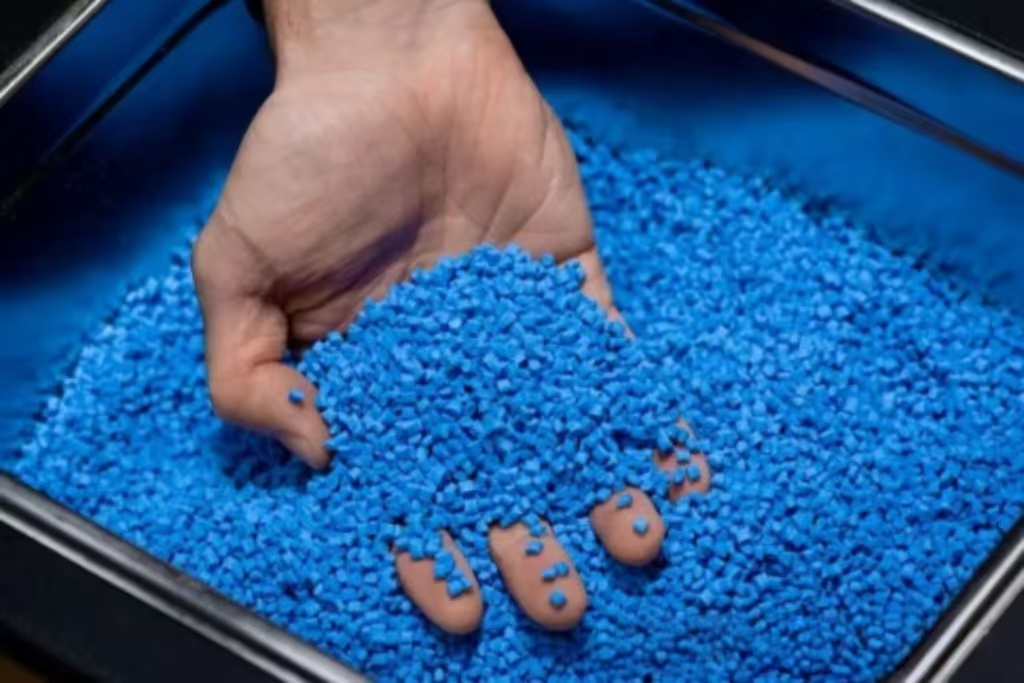
BMW Group recently announced that it has successfully established a closed-loop system for recycling 3D printing materials. The company has developed a process that can take discarded 3D printing powder and used components and remanufacture them into 3D printing filament or pellets.
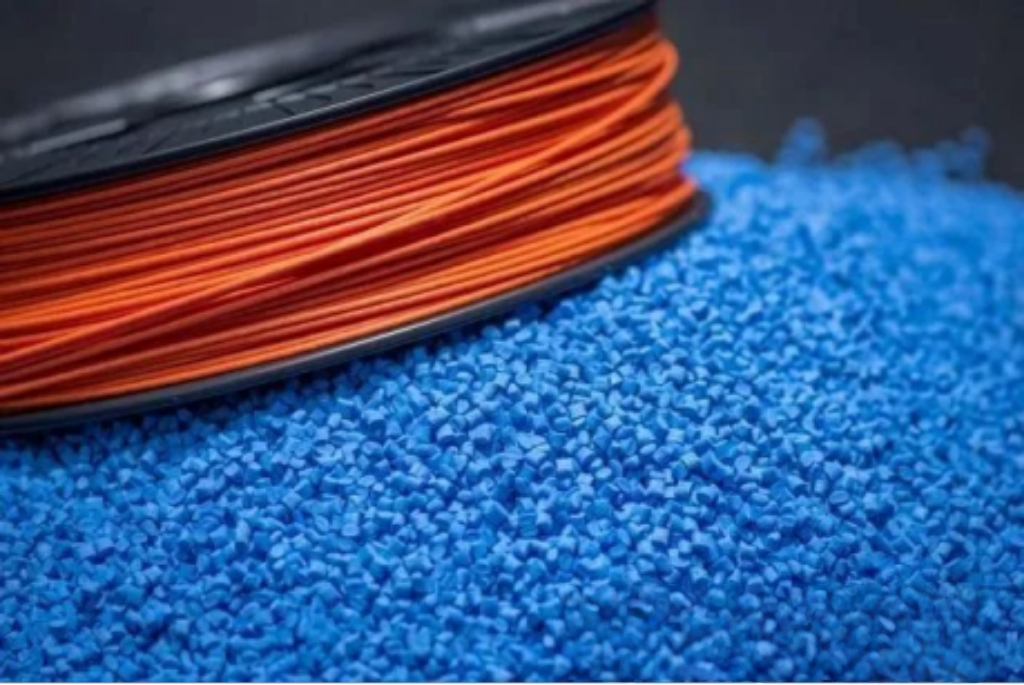
These recycled materials can then be used with Fused Filament Fabrication (FFF) and Fused Granulate Fabrication (FGF) technologies to produce tools, jigs, and other components used directly on the production line.
BMW Group Closes the Loop on 3D Printing Materials
BMW Group has successfully established a closed-loop system for recycling 3D printing materials, turning production waste into valuable resources. Discarded 3D printing powder and used components are now remanufactured into filament or pellets, which can be used with Fused Filament Fabrication (FFF) and Fused Granulate Fabrication (FGF) technologies to produce tools, jigs, and other components directly used on the production line.
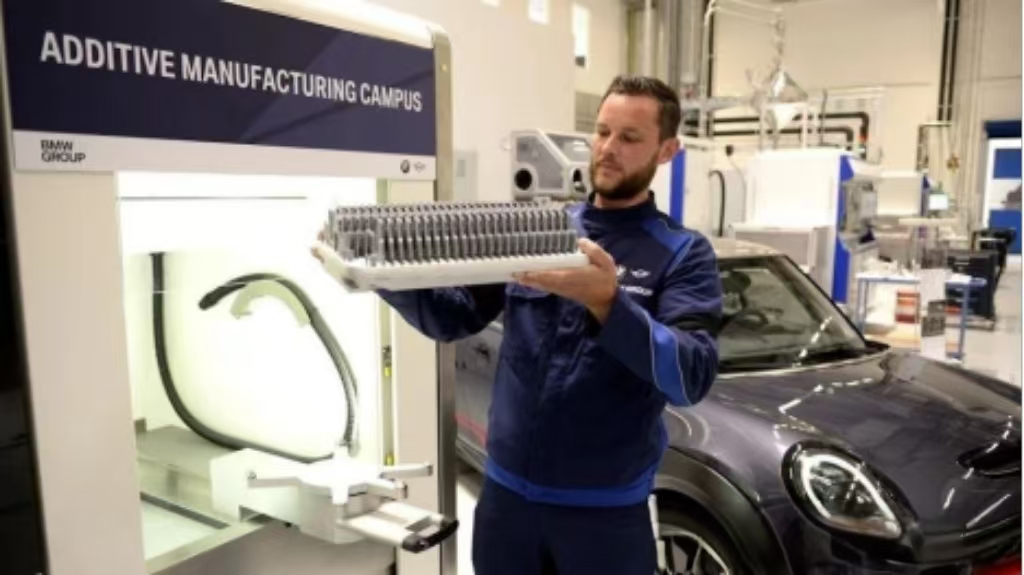
The company’s Additive Manufacturing Campus in Oberschleißheim is capable of processing up to 12 tons of waste powder annually. This recycling initiative traces its roots back to the 2018 “bottleUP” project, which initially focused on converting PET bottles into 3D printing materials. By 2019, BMW had begun using industrial waste to pilot the production of recycled filament, and in 2021, the company successfully used recycled material to print its first brackets and production tools.
As part of the BMW Group’s Competence Center concept, the Additive Manufacturing Campus is committed to promoting its self-developed recycled filament. By sharing expertise and offering end-to-end solutions, it supports production sites worldwide. BMW will test suitable 3D printers and develop optimized printing parameters tailored to recycled filament and specific vehicle models.
This comprehensive package – including printer recommendations, recycled filament, and validated process parameters – will then be shared with other plants. This ensures that each production site can quickly adopt these settings, enabling efficient implementation and consistently high-quality printing results.
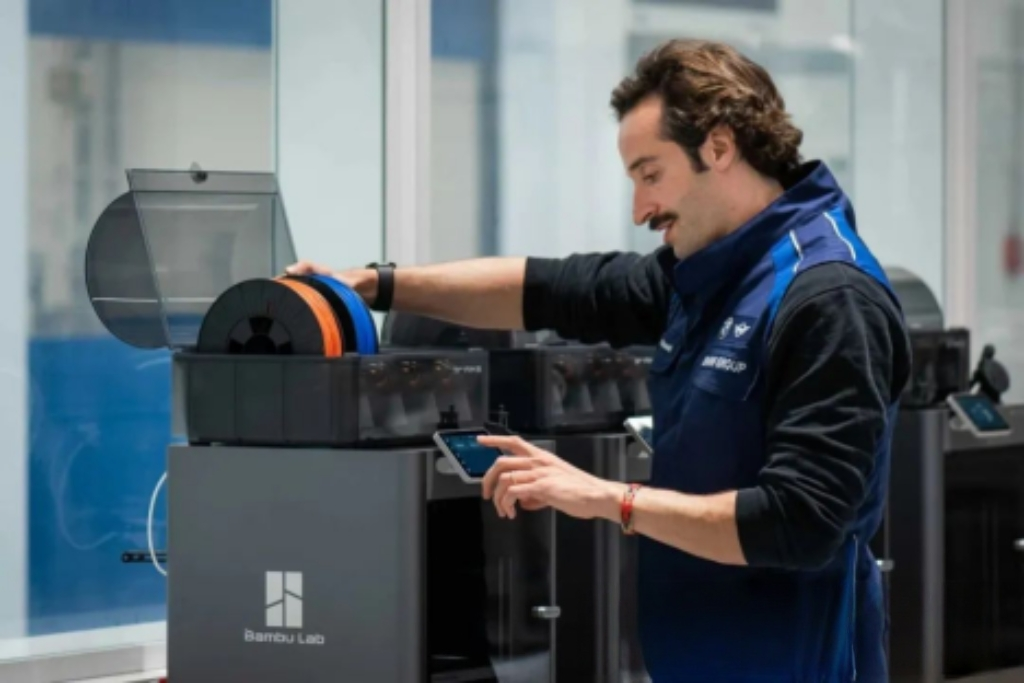
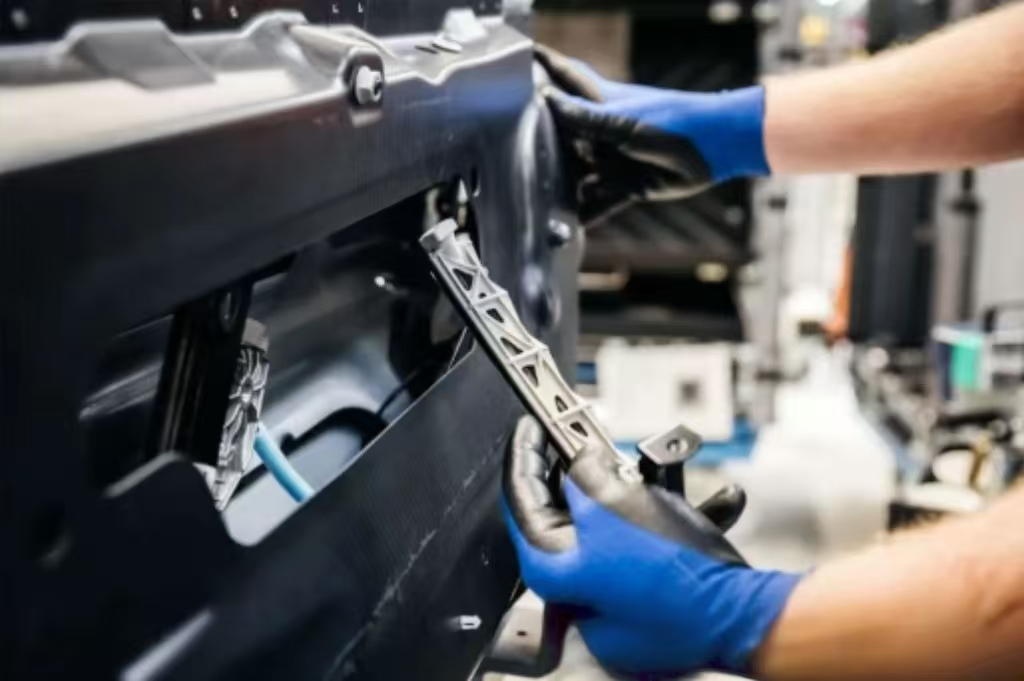
Today, every BMW Group plant is equipped with 3D printers, producing hundreds of thousands of components annually for a wide range of applications. These include ergonomic solutions for workers, scratch protection elements, assembly aids, manufacturing fixtures, gauges, templates, and specialized tools.
With 3D printing, BMW can produce mold cavities, pre-assembly brackets, and even complete jigs. Now, thanks to recycled filament, a variety of components can be manufactured sustainably. For example, at BMW’s Munich plant, engineers are currently 3D printing a specific component used during the connection of the chassis and body.
This component temporarily holds the steering rod in a precise position, allowing it to pass through the body opening without risk of collision. It is installed shortly before the chassis and body are joined and removed after the connection is completed, allowing it to be reused multiple times.
At the BMW Motorrad plant in Berlin, 3D-printed support bases are used to add trim elements to motorcycle panels. These bases are custom-designed to fit precisely with the panel components and include a locking mechanism. This ensures that the components remain securely in place, preventing them from slipping while the trim is being applied.
Many of these operational optimization solutions are developed to address urgent needs on the shop floor. For example, employees at the BMW Group’s Dingolfing plant created their own installation aid to prevent screws from being lost during vehicle assembly. They also developed a 3D-printed bracket for magnetic screw retention, which is used to securely hold various cordless screwdrivers and ensure screws are safely carried throughout the assembly process.
BMW Group’s announcement of a “closed-loop for 3D printing materials” may seem like just another process upgrade, but when viewed across the entire value chain, it actually achieves three transformative goals: redefining “waste” as an “asset,” moving the “spare parts warehouse” right next to the workstation, and turning “sustainability” from a marketing buzzword into a measurable financial metric.