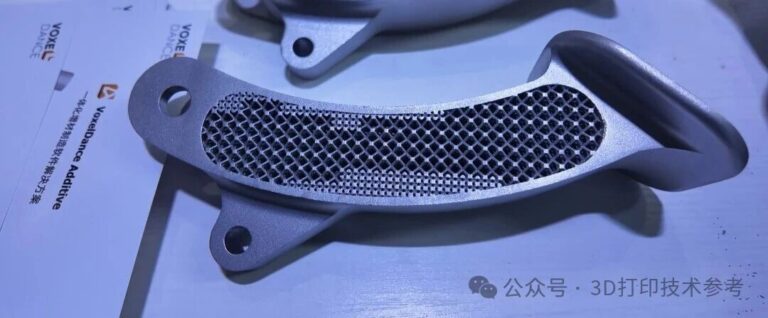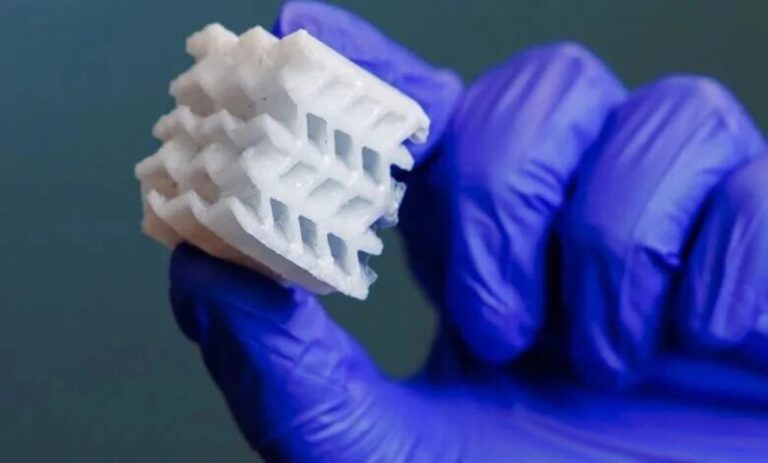
Recently, two pieces of news from Europe regarding 3D-printed heat exchangers have sparked widespread discussion. The first involves Airbus partnering with leading heat exchanger developer Conflux Technology to participate in the ZEROe next-generation commercial aircraft program. The second comes from Lithoz, a renowned developer of ceramic 3D printing technology, which announced a milestone achievement in the major research project “TRIATHLON.”
Both initiatives aim to address the thermal management challenges of hydrogen-powered aviation, leveraging metal and ceramic 3D printing technologies respectively to develop next-generation high-performance heat exchangers.

Thermal Management Requirements Under Hydrogen Propulsion
In the long term, hydrogen energy is expected to become a key clean power source driving the aviation industry’s transition toward low-carbon development — potentially bringing a revolution to air transport comparable to what new energy vehicles have done for the automotive industry.
To realize this vision, Airbus aims to bring hydrogen-powered commercial aircraft to market and launched the ZEROe project in 2020. Meanwhile, the European Union initiated the TRIATHLON project in 2024 to further advance research and innovation in this field.
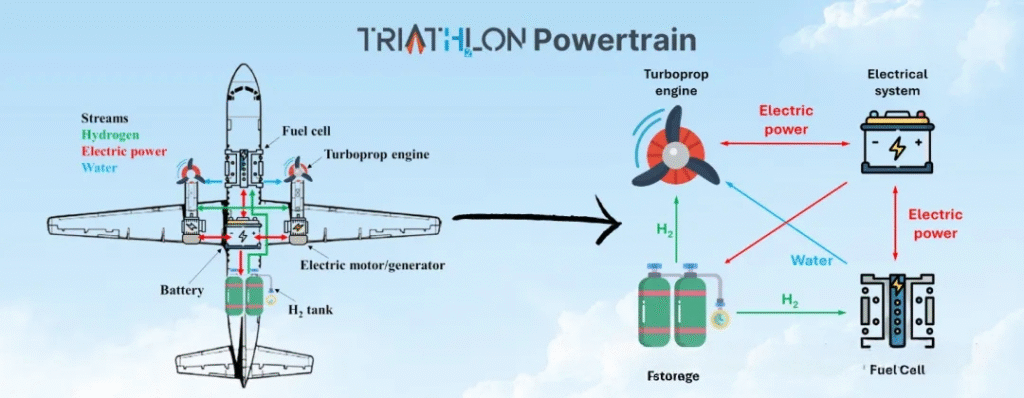
Next-Generation Aircraft Demand Extreme Performance from Heat Exchangers
The next generation of aircraft imposes unprecedented requirements on heat exchangers: they must deliver exceptionally high thermal efficiency while maintaining minimal weight and compact size. At the same time, the leak-prone nature of hydrogen and the cryogenic conditions of liquid hydrogen pose formidable challenges, requiring heat exchangers to achieve absolute reliability and safety.
Whether converting liquid hydrogen into usable power or managing the massive waste heat generated by onboard electrical systems, the heat exchanger has evolved from a supporting component into the core of thermal management. Its performance now directly determines the efficiency, safety, and viability of hydrogen-powered aircraft.

Metal 3D-Printed Heat Exchangers: Pushing the Limits of Thermal Performance
Conflux is a global leader in developing heat exchangers using 3D printing technology, pioneering disruptive solutions for high-end industries such as aerospace, automotive, and semiconductors.
According to Michael Fuller, CEO of Conflux Technology, “Our collaboration with Airbus marks a significant step forward in applying additive manufacturing to sustainable aviation. Thermal management lies at the heart of hydrogen propulsion, and our expertise is helping this technology move from the laboratory to the skies.”
Airbus is currently evaluating Conflux’s 3D-printed heat exchangers for integration into fuel cell systems exceeding one megawatt, aiming to enhance both efficiency and system reliability in future hydrogen-powered aircraft.
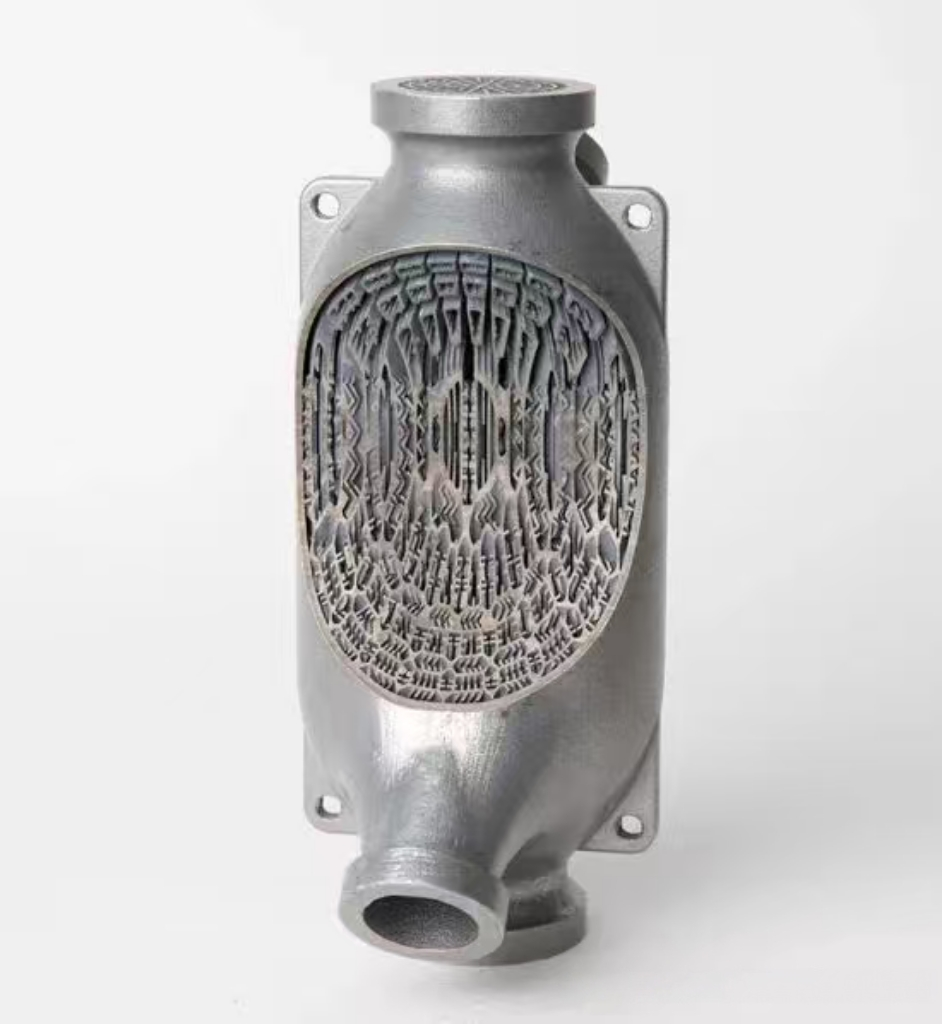
Conflux’s Patented Heat Exchanger Design: Tripled Cooling Efficiency
Conflux developed its first patented heat exchanger design in 2015, which achieved a threefold improvement in cooling performance and one-third reduction in pressure drop compared to conventionally manufactured racing heat exchangers. The design also demonstrated several other remarkable performance enhancements, establishing a new benchmark for thermal efficiency through additive manufacturing.
As reported in April 2025, Conflux has also been involved in developing the cooling system for AMSL Aero’s hydrogen-powered eVTOL aircraft in Australia. The aircraft, designed for sustainable urban and regional transport, is expected to achieve a flight range of up to 1,000 kilometers, marking another milestone in the integration of 3D-printed thermal systems into next-generation aviation.

Complex Geometries Drive the Advancement of 3D-Printed Heat Exchangers
The ability to create complex geometries and microscopic features that are impossible to achieve through traditional manufacturing has been a key driver in the development of additively manufactured heat exchangers. Fin and thin-wall designs can be precisely optimized to adapt to the varying fluid dynamics throughout the entire heat exchanger.
The performance of a heat exchanger improves as wall thickness decreases. Thinner walls allow for an increase in surface area without introducing flow obstruction, or enable a reduction in part size without increasing pressure drop—both critical factors in thermal efficiency. Moreover, thin walls contribute to lower component mass, a crucial consideration for aerospace and high-performance applications.
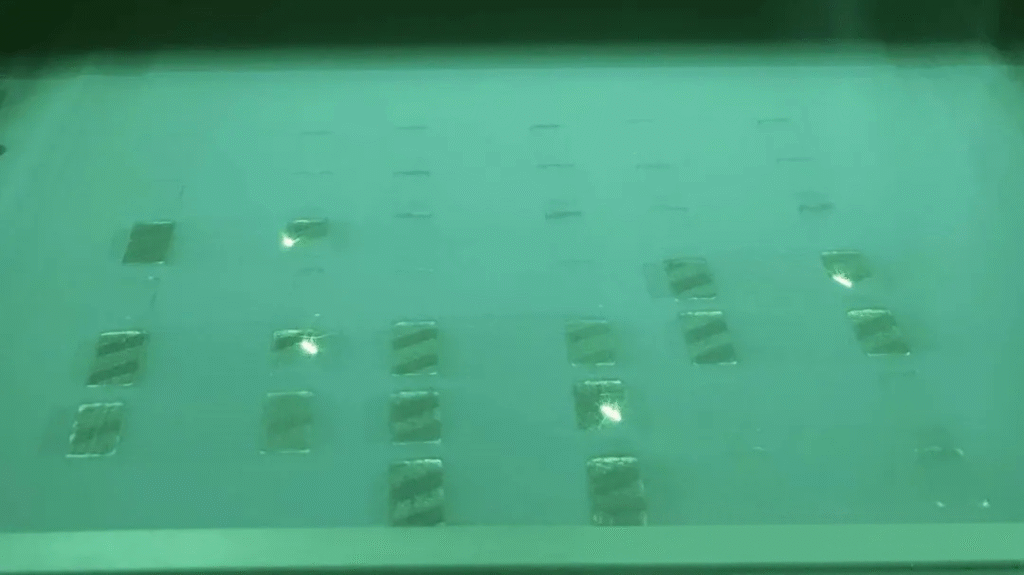
With Laser Powder Bed Fusion (LPBF) technology, wall thicknesses of less than 1 mm can be reliably achieved, unlocking significant gains in heat exchanger performance and setting a new standard for lightweight, high-efficiency thermal management systems.
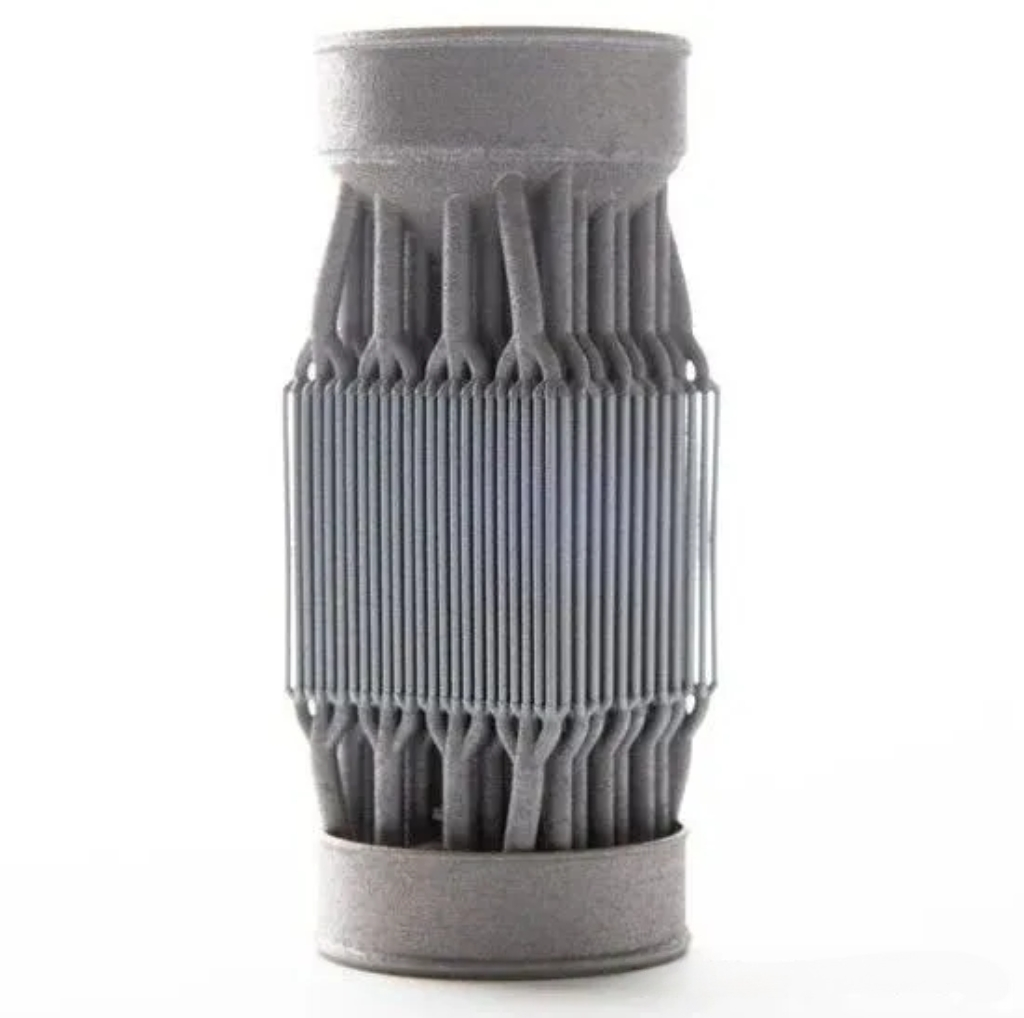
Microtube-Core Prototype Demonstrates Advanced Build Parameter Development
The prototype heat exchanger with a microtube core showcases Conflux’s latest advancements in build parameter optimization.
Dr. Ian Fordyce, Additive Manufacturing Engineer at Conflux, emphasized:
“For high-performance heat exchangers, we are constantly pushing to make the walls and fins as thin as possible. The thicknesses we deal with are on the same order of magnitude as the powder particle size and laser spot diameter. This means that even a 10-micron deviation can have a significant impact. It can reduce the number of fins we can integrate into the heat exchanger, affect surface roughness, and increase wall thickness—all of which ultimately reduce the thermal performance of the component.”
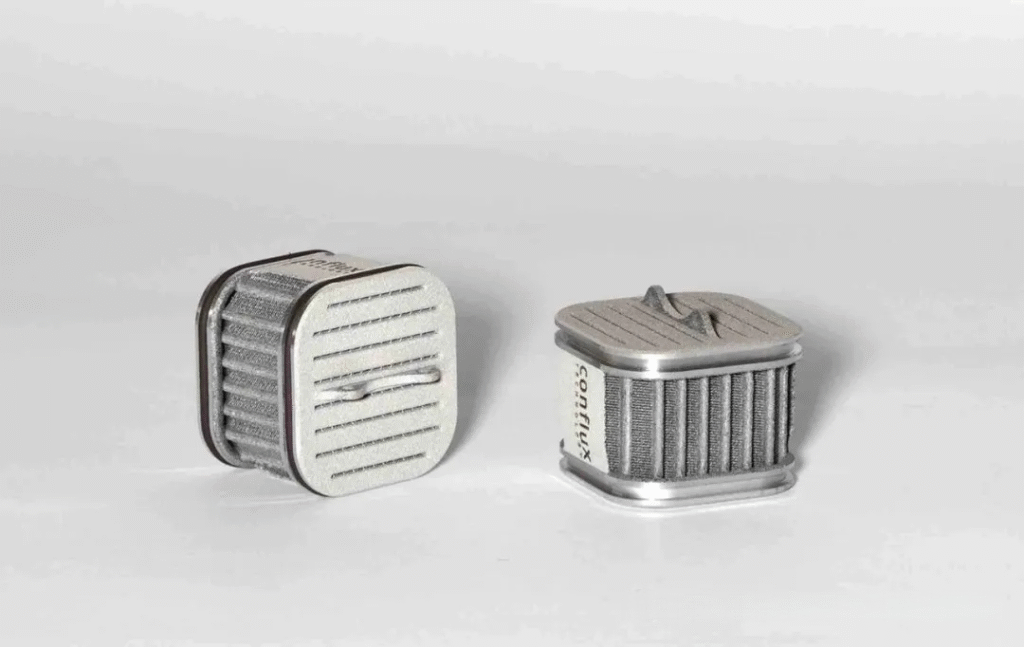
3D-Printed Compact Heat Exchanger
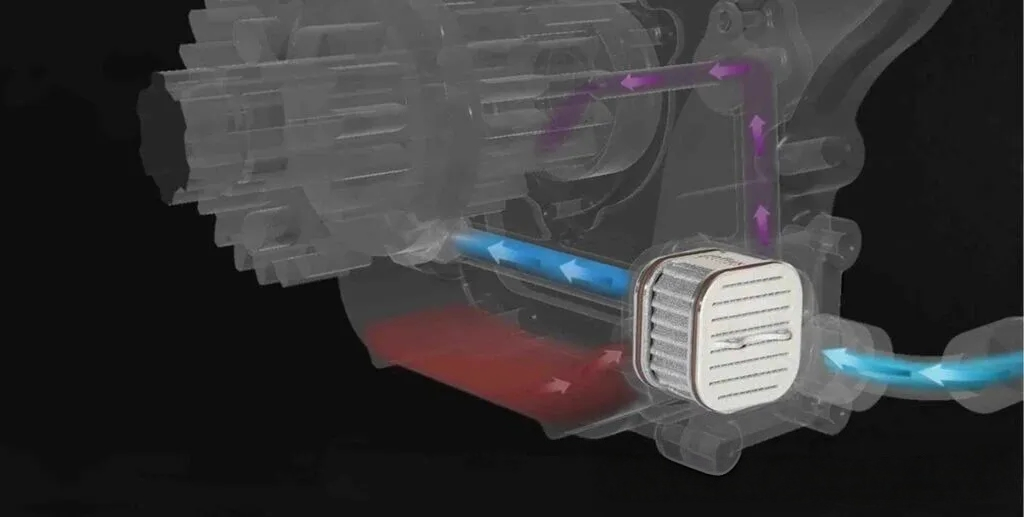
Demonstration of Conflux 3D-printed heat exchanger applied in automotive transmission