

Rocket Lab, a global leader in launch services and space systems, is pioneering the use of 3D printing technology in rocket engine manufacturing. The company currently produces more than 200 units of its Rutherford engines annually—its primary engine model for space launches—entirely through additive manufacturing.
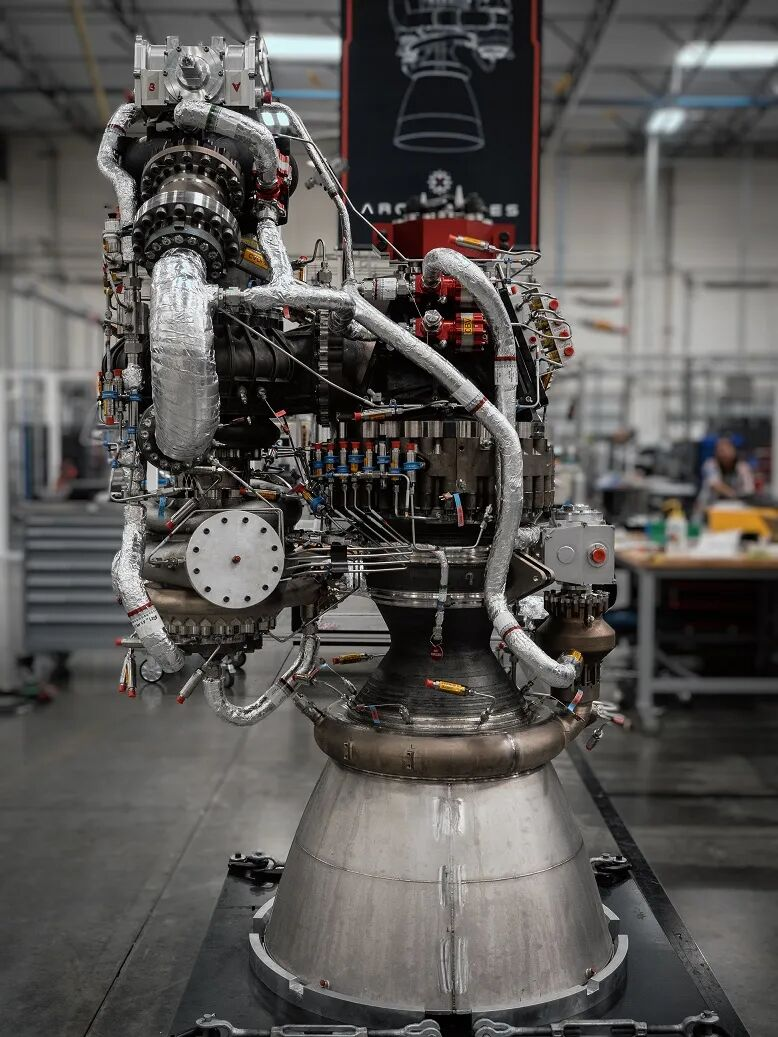
Now in development is the Archimedes engine, designed for Rocket Lab’s Neutron medium-lift launch vehicle. This next-generation reusable rocket engine is composed of approximately 90% 3D-printed components, including the turbine housing, pump casings, and preburner assemblies. Recently, the Archimedes engine successfully completed a full-duration mission test, marking a major milestone in its development.
With the ability to support up to 20 launches per engine, the Archimedes demonstrates how advanced additive manufacturing is redefining rocket propulsion by enabling lighter structures, reduced part counts, and accelerated production timelines.
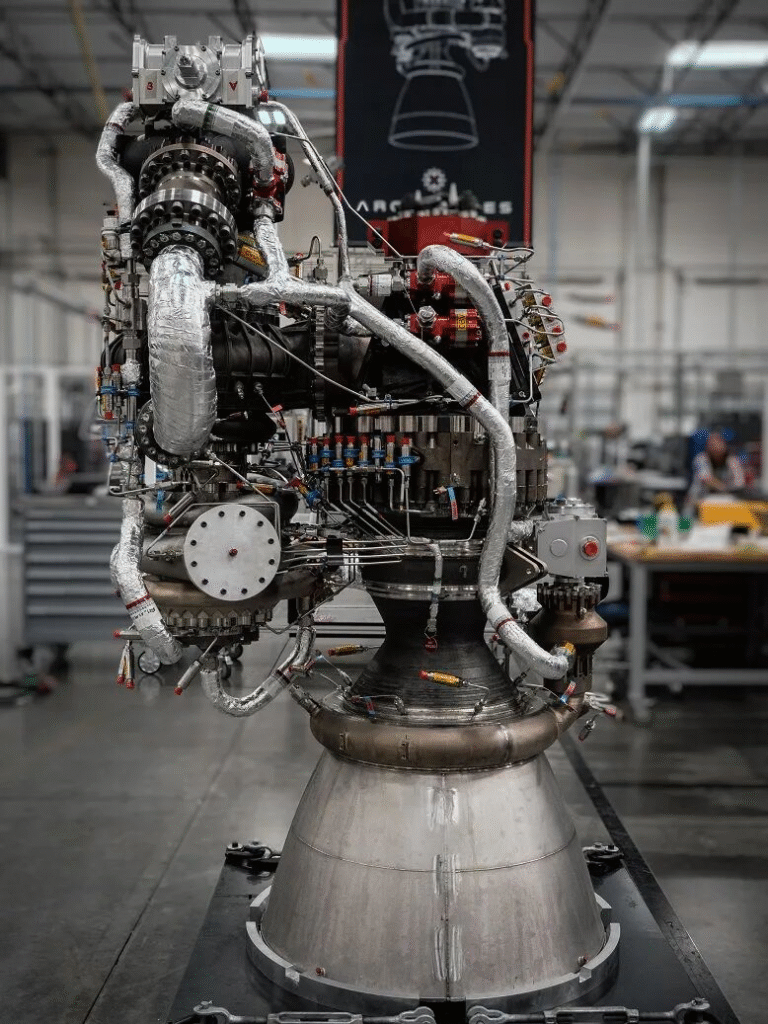
The Archimedes Engine Developed and Manufactured with 3D Printing Technology
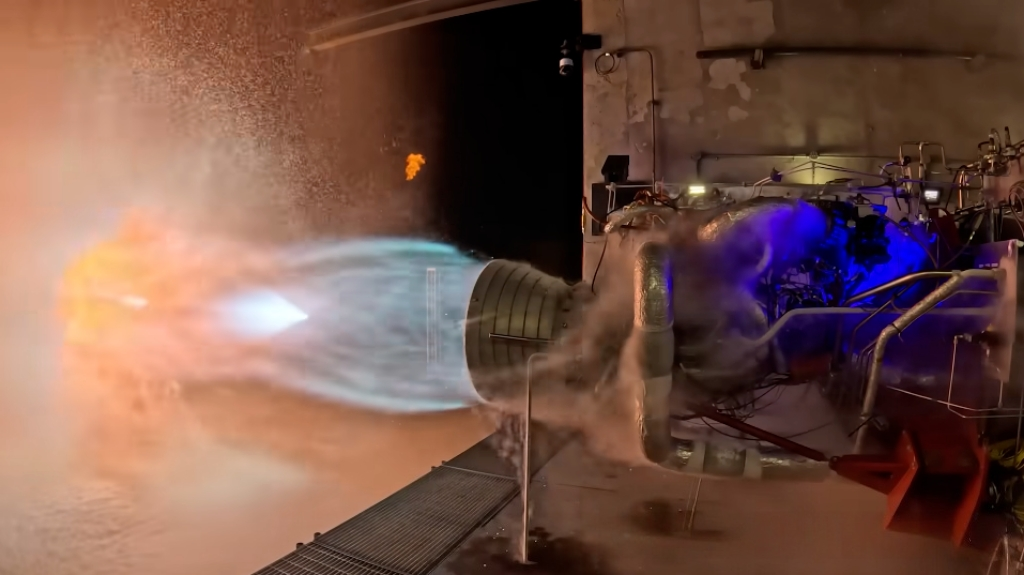
Archimedes Engine Completes Full-Mission Hot-Fire Test
Powered by liquid oxygen and methane, the Archimedes engine is a unique oxidizer-rich staged combustion cycle engine in its thrust class, engine cycle, and propellant combination. Designed with maximum reusability in mind, Archimedes operates at lower pressure levels than comparable engines on the market, reducing stress and extending its lifespan. Each engine is engineered to achieve a minimum reuse target of up to 20 launches.
At full power, a single Archimedes engine generates 74 tons of thrust. With nine engines integrated into the first stage of the Neutron rocket, the combined thrust reaches approximately 673 tons.
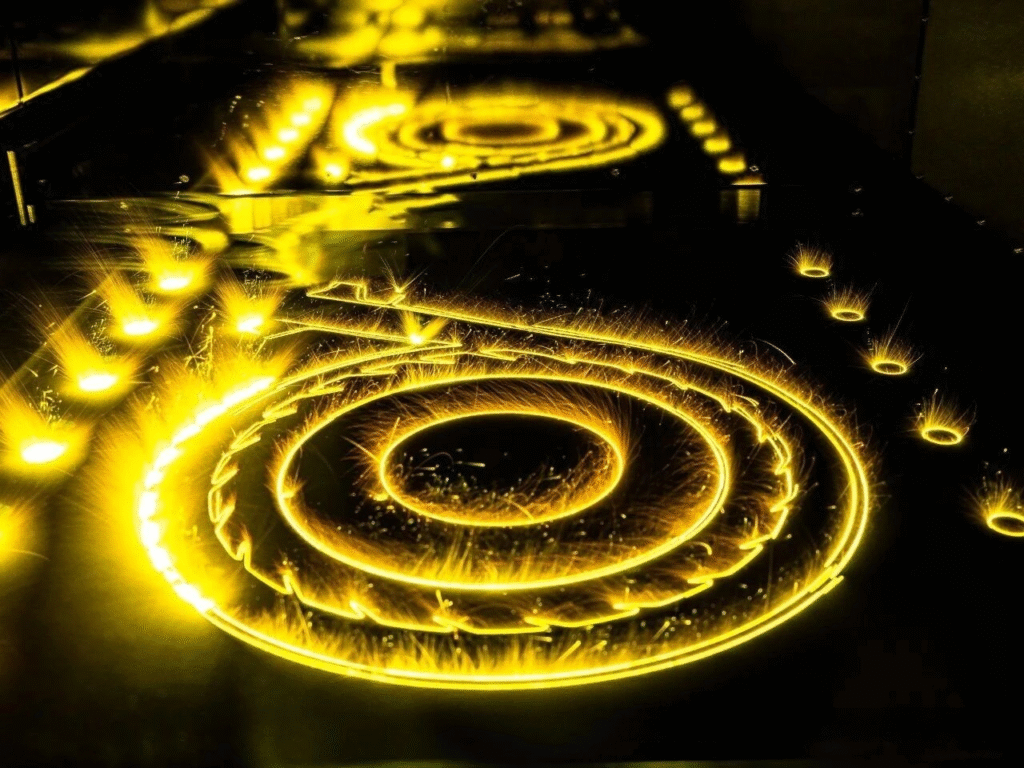
3D Printing Process
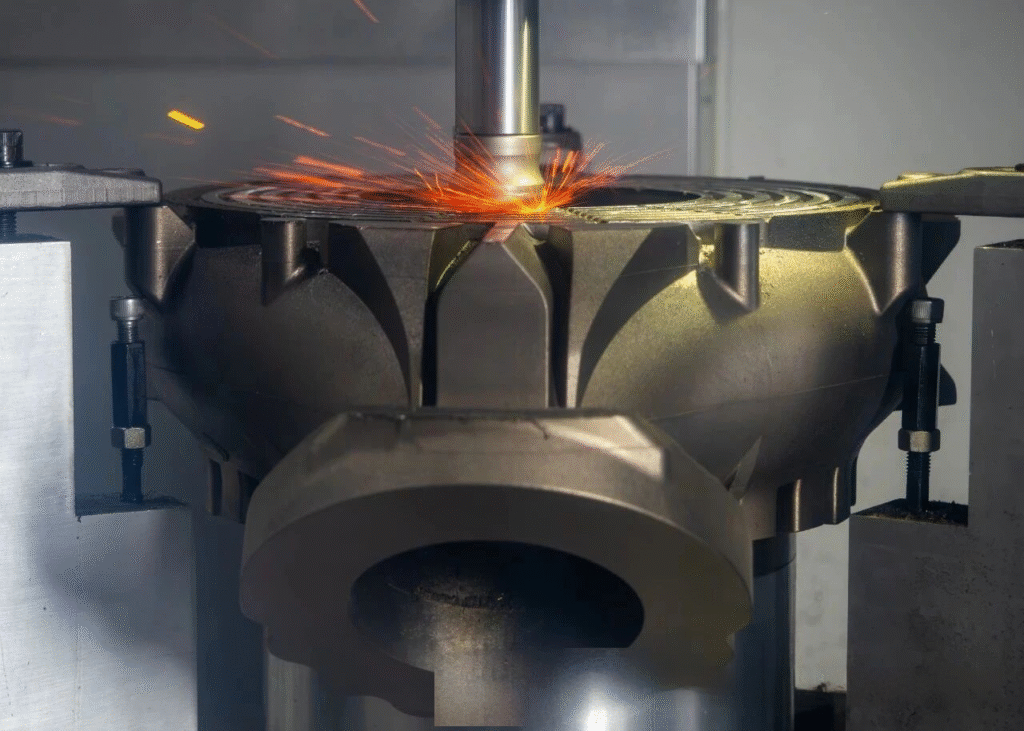
Machining Process of 3D-Printed Components
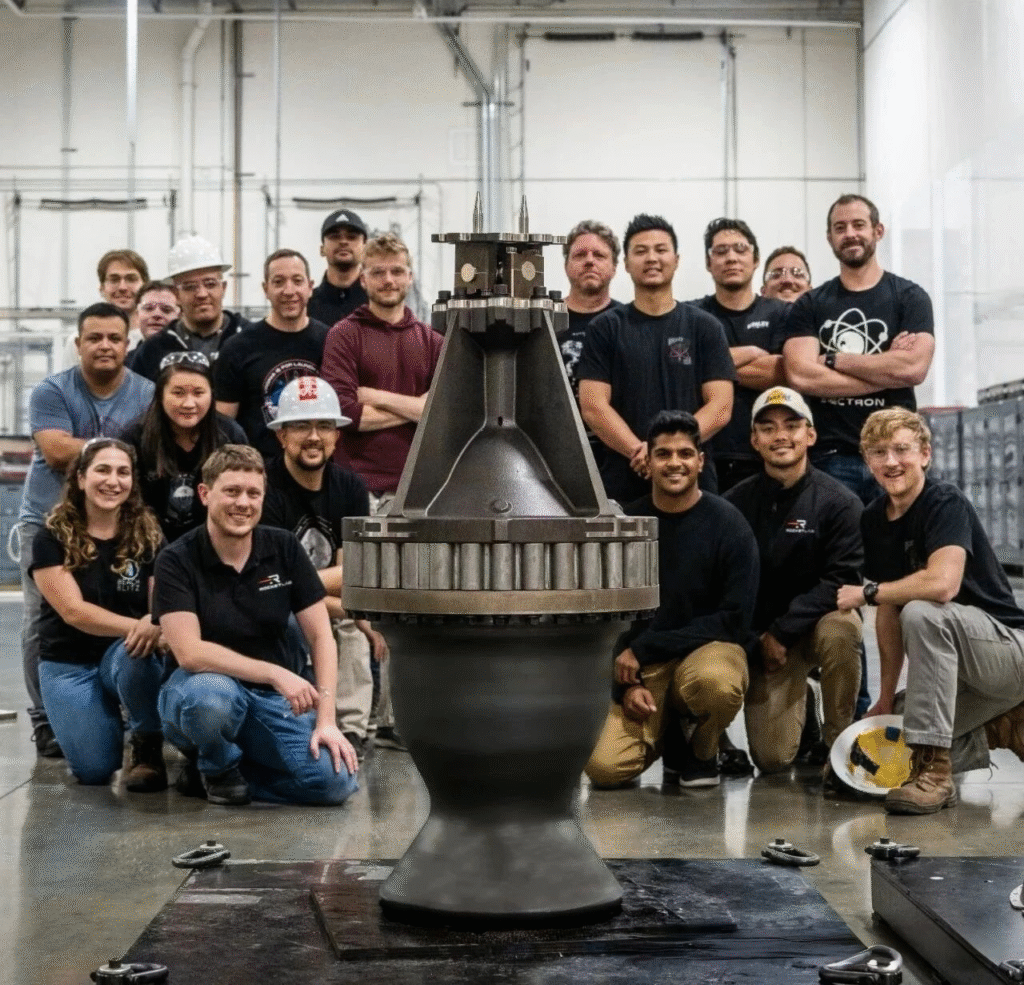
3D-Printed Components of the Archimedes Engine
During the hot-fire test campaign, the critical 3D-printed components undergoing evaluation include the Archimedes turbopump housings, preburner and main combustion chamber components, valve housings, and structural parts of the engine. Throughout the testing process, numerous component-level, subsystem-level, and full-system tests will be conducted. These tests are designed to validate the transient start-up, steady-state operation, and shutdown performance of the Archimedes engine.
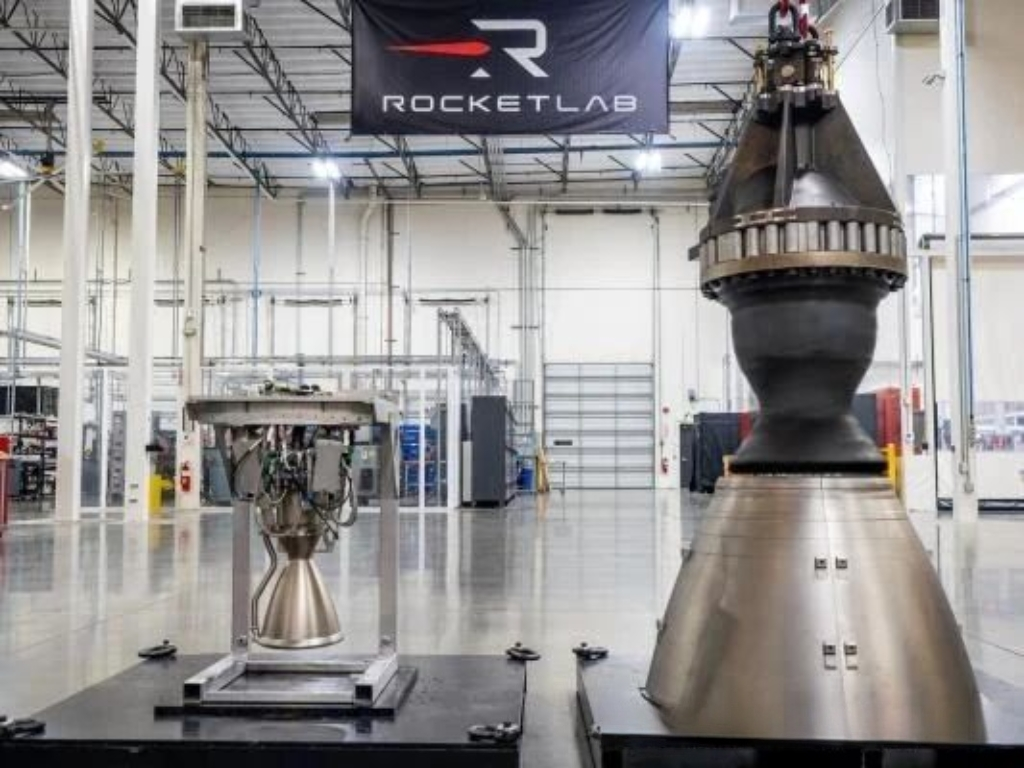
Comparison between the Rutherford Engine and the Archimedes Engine
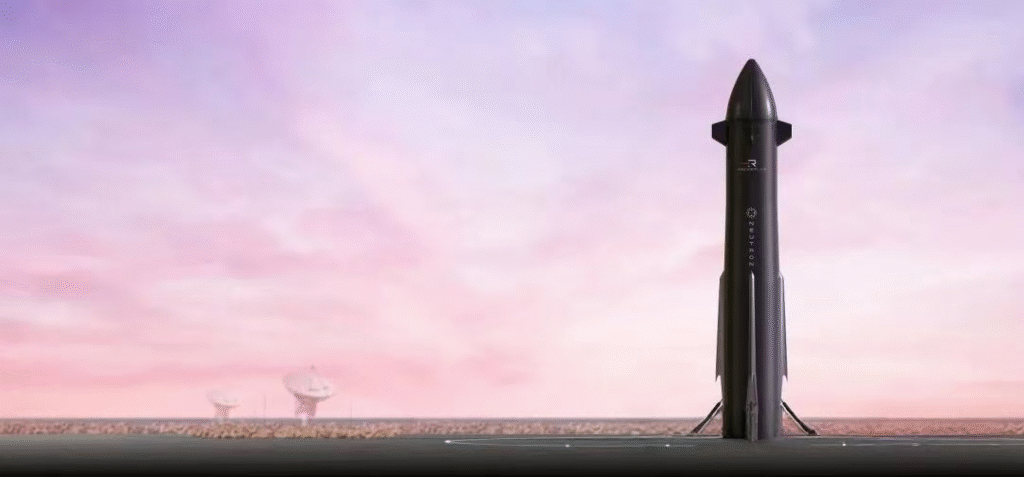
Rocket Lab Neutron Rocket
Designing an entirely new rocket engine to meet the market’s demand for frequent and reliable launches is a complex task — but we’ve achieved it. Previously, Rocket Lab had already delivered more than 470 Rutherford engines into space.