
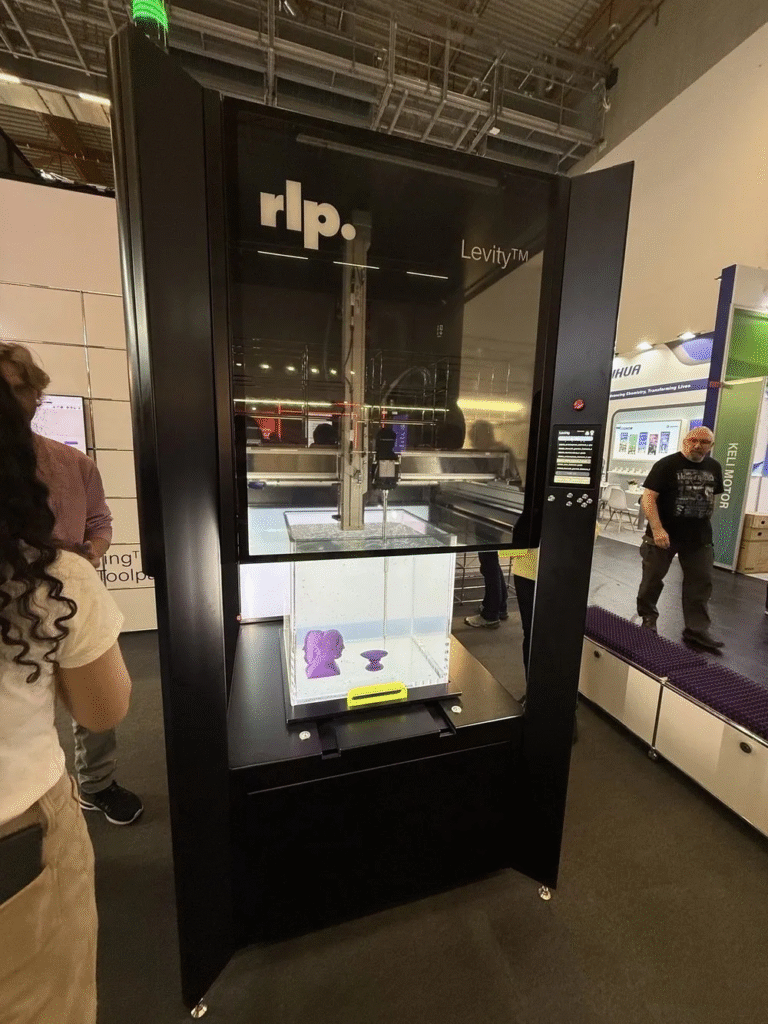
From November 18 to 21, 2025, the global annual event for additive manufacturing—Formnext 2025—was held in Frankfurt, Germany. At this year’s exhibition, in addition to various high-speed and large-format equipment, a disruptive “zero-gravity 3D printing” technology also attracted widespread attention. RLP showcased its upcoming Levity™ 3D printer, a technology originating from the Self-Assembly Lab at the Massachusetts Institute of Technology (MIT). Designed with a completely new printing approach, it aims to address core challenges in traditional manufacturing, including support structures, material waste, and safety risks.
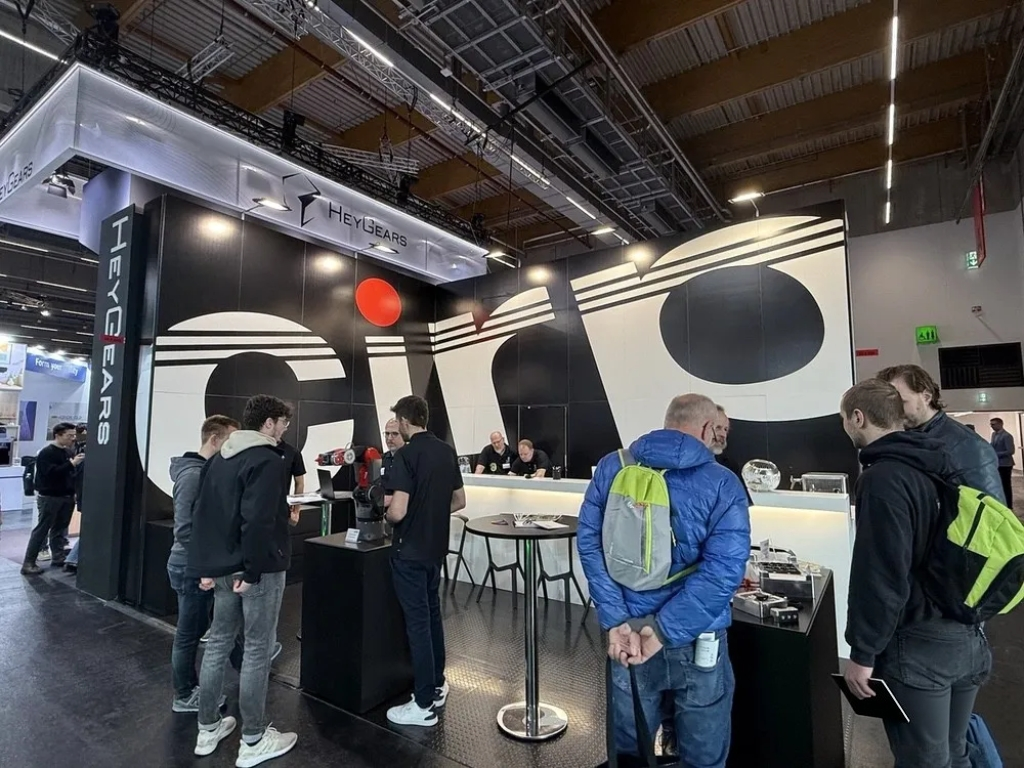
RLP Booth
Suspension Gel Enables True “Support-Free” Printing
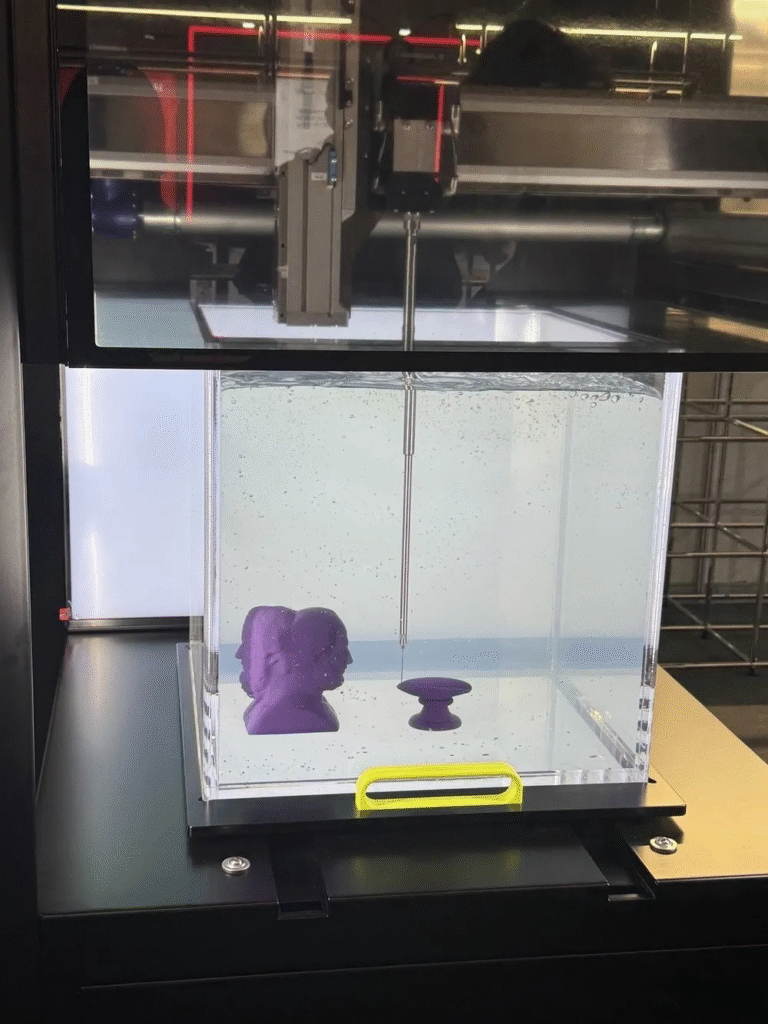
Unlike traditional layer-by-layer printing methods that rely on support structures, the core of the Levity technology lies in its unique water-based suspension gel. Instead of printing in open air, the entire process is carried out within this specialized gel. The gel provides omnidirectional buoyant support for the printed object, allowing complex geometries to form perfectly without any additional supports. After printing, the part can be removed simply by rinsing it with water. The suspension gel itself is safe, non-toxic, and reusable, greatly enhancing process efficiency and sustainability.
Breaking Design Constraints, Unlocking New Possibilities in Materials and Form
This technology brings an unprecedented level of freedom to design and manufacturing.
Unmatched Design Freedom:
Freed from the limitations of support structures, designers can boldly explore complex topologies—such as overhangs, recesses, and hollow geometries—that are impossible to achieve with conventional 3D printing.
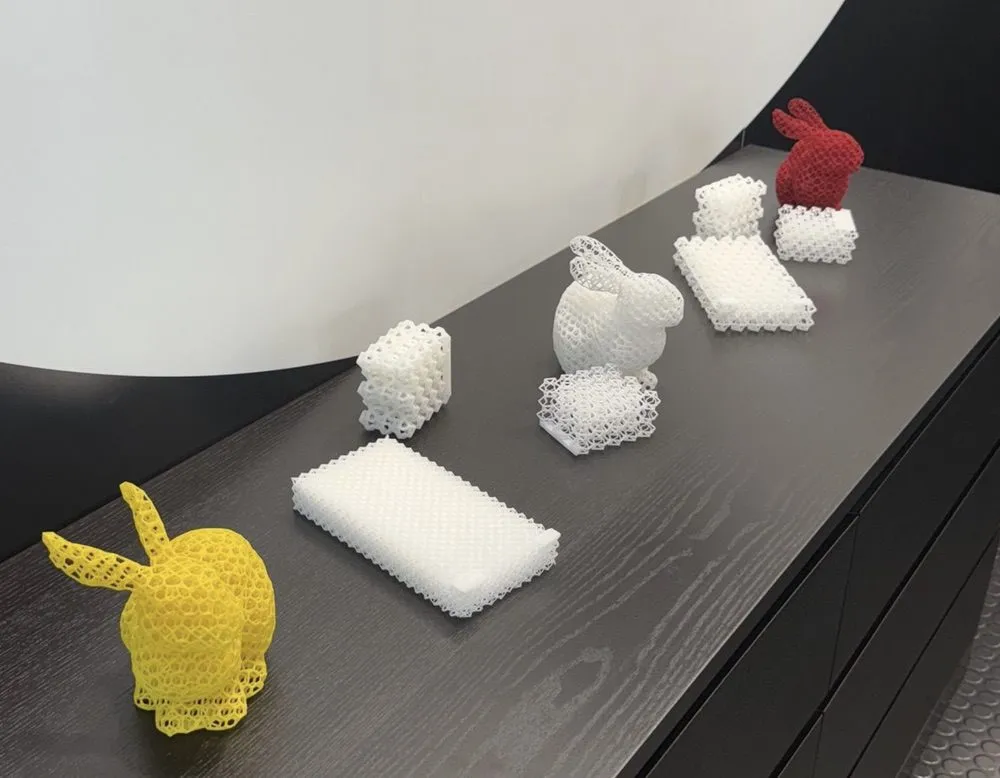
Material Innovation and Integration:
The Levity technology excels at processing soft, silicone-based materials. Its two-component material system is extruded and then meets and cures within the gel, preventing deformation issues that typically occur when ultra-soft materials are printed in mid-air. In addition, the system supports multi-material printing in a single build, enabling the effortless creation of objects that combine different hardness levels—or even multiple colors—within one part.
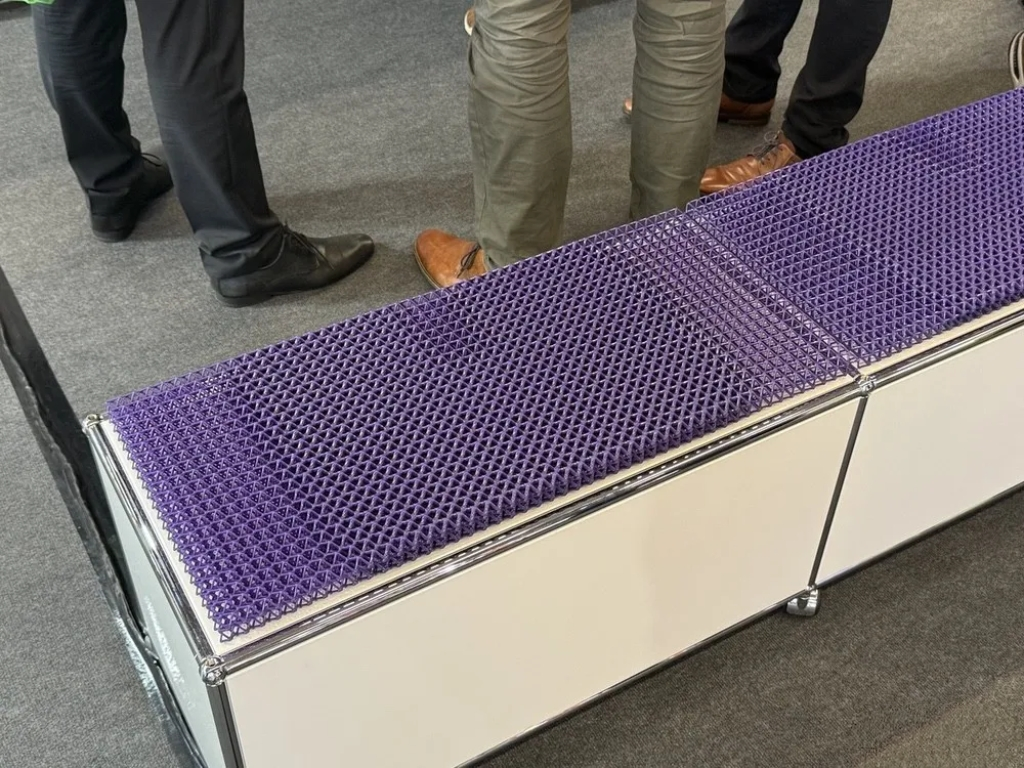
Exceptional Surface Quality:
The technology employs non-planar toolpaths that follow the natural contours of the object rather than strictly horizontal layering. This results in seamless, smooth surfaces with high detail, significantly reducing the need for post-processing such as sanding or polishing.
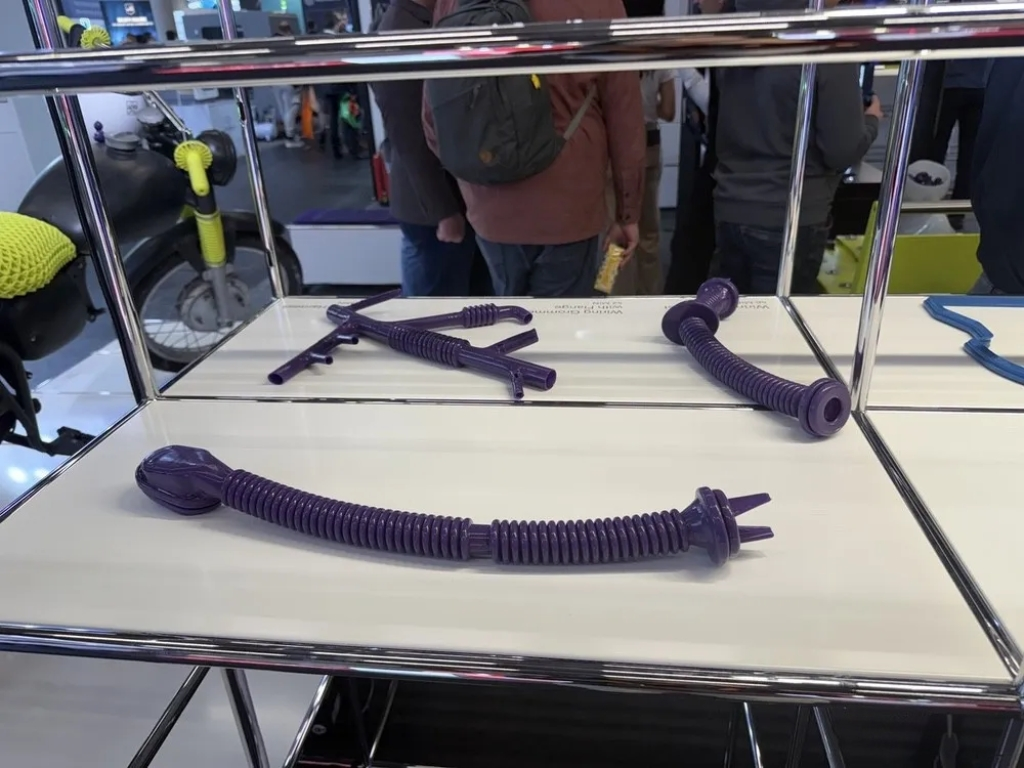
Broad Application Prospects: From Medical Customization to Industrial Manufacturing
RLP’s gravity-free manufacturing process brings new solutions to multiple sectors:
Medical field: Enables efficient production of customized silicone prosthetics, orthotics, and other devices with improved fit and comfort; it can also be used to manufacture precise inflatable medical components.
Industrial and transportation: Capable of printing seals with multi-hardness zones in a single build, meeting demanding performance requirements in harsh environments.
Fashion and entertainment: Provides rapid customization of complex lattice structures for props, costumes, and wearable devices, combining strength with ergonomic performance.
Generalized Manufacturing:Its ability to rapidly produce large, lightweight, and high-strength lattice structures is highly valuable in applications requiring cushioning, thermal insulation, or personalized design.
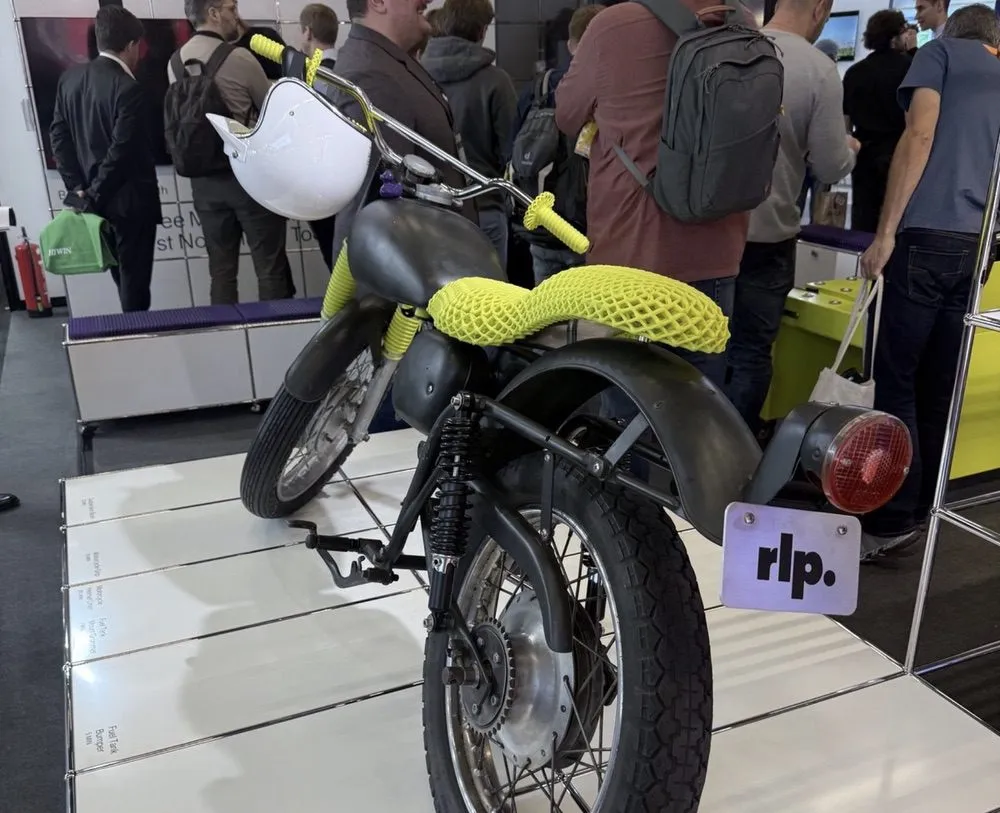
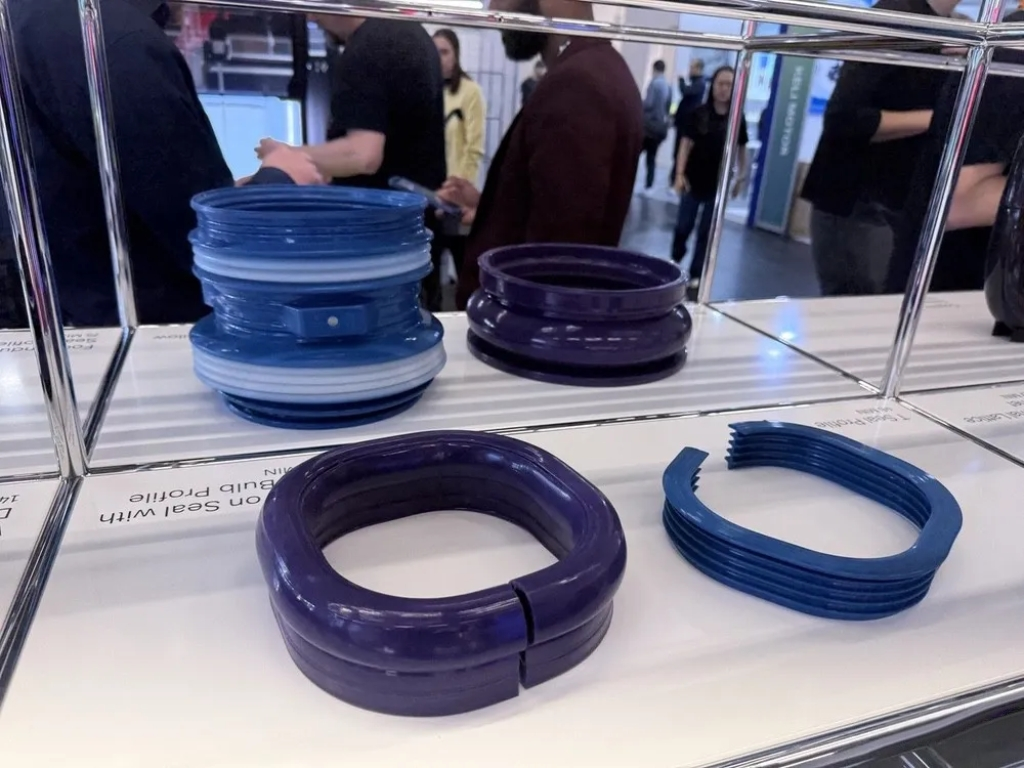
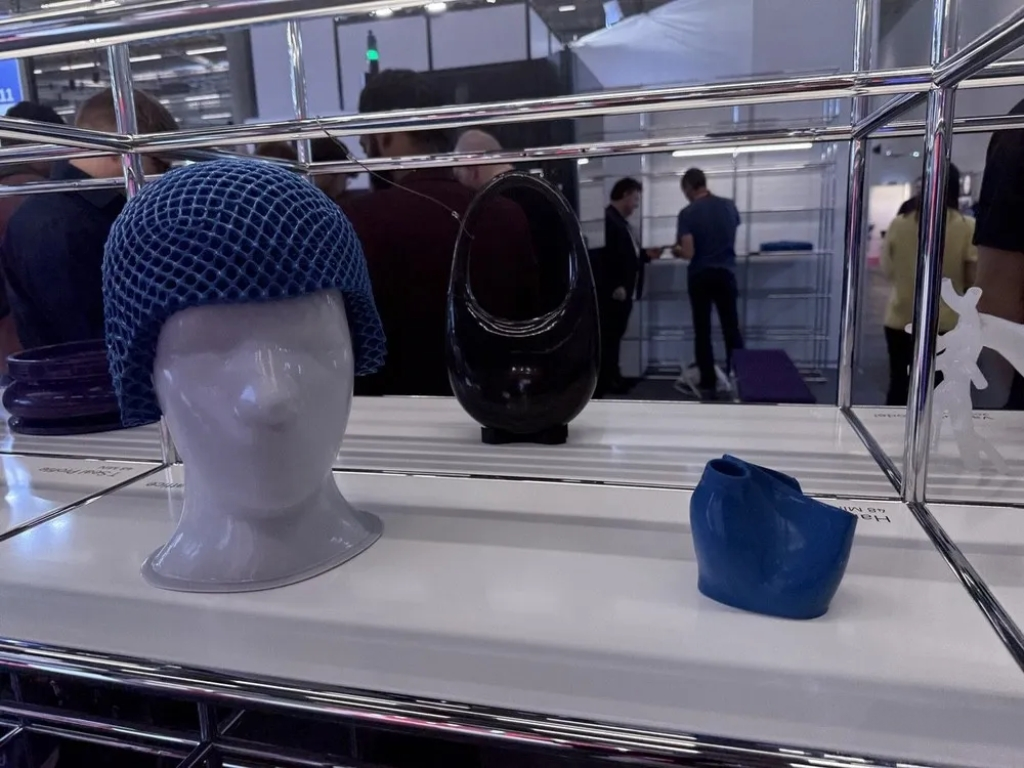
The Levity™ 3D printer offers a build volume of 500 × 500 × 500 mm and is expected to begin shipping in 2026. The launch of this machine will undoubtedly mark a new milestone in 3D printing technology, driving the industry toward greater freedom, higher efficiency, and improved sustainability.