

Although ceramic 3D printing has not yet achieved large-scale adoption like metal and polymer 3D printing, several noteworthy breakthroughs still emerged in 2025. These include preventing the brittleness of ceramic parts through special structural designs and post-processing methods, enabling ceramic component fabrication via new 3D printing approaches, and particularly significant advances in new materials.
3D-Printed Ceramic Metamaterial Structures
Ceramics are prone to brittleness and fracture under compressive loads. However, in 2025, a research team at the University of Houston, Texas, developed a new type of 3D-printed ceramic structure that can bend under pressure without breaking. The core approach combines 3D printing, specially designed architectures, and coating technologies.
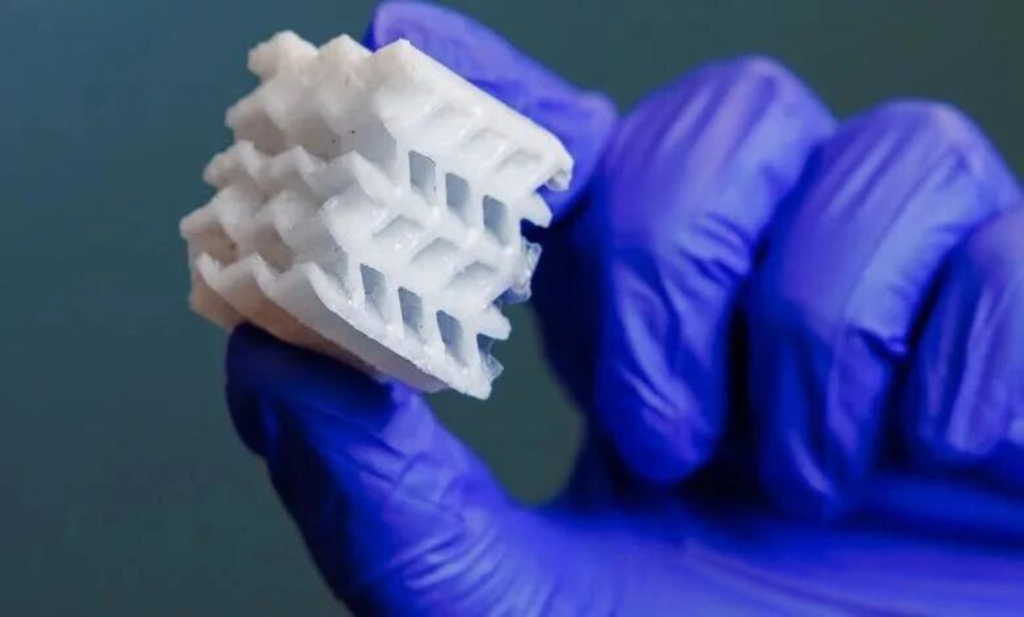
The researchers drew inspiration from origami structures, a key feature of which is their ability to transform from a folded state into specific configurations in a reversible manner. They first fabricated silica-based samples with origami-inspired architectures using SLA-based ceramic 3D printing. After debinding and sintering, the ceramic parts were immersed in a polydimethylsiloxane (PDMS) solution, forming a surface coating approximately 75–100 micrometers thick. PDMS is a biocompatible silicone elastomer with ultra-high elasticity.
Static and cyclic compression tests showed that this new structure, combining folded geometry with surface coating, exhibits excellent flexibility, maintaining this behavior even along its most brittle loading direction.
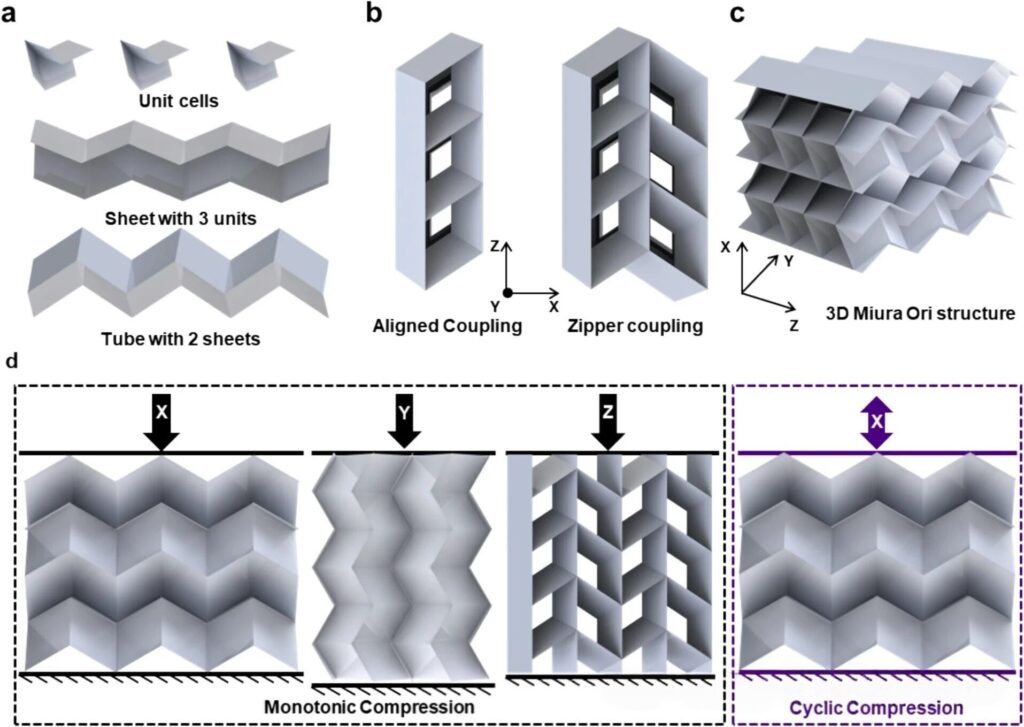
The researchers noted that ceramic components are widely used in fields such as healthcare, aerospace, and robotics. While ceramics are lightweight and durable, their failure is often catastrophic. In this new approach, the origami-inspired architecture imparts mechanical adaptability to ceramic parts, while the polymer coating provides sufficient flexibility to prevent sudden fracture. This work has the potential to significantly expand the application scope of 3D-printed ceramics.
Ceramic Hydrogel-Infiltrated Additive Manufacturing
In 2025, researchers from Lawrence Livermore National Laboratory (LLNL) and the Swiss Federal Institute of Technology in Lausanne (EPFL) investigated the use of hydrogel-infiltrated additive manufacturing (HIAM) to fabricate ceramic components.
This technique effectively decouples the 3D printing process from ceramic material synthesis. First, a hydrogel polymer with the desired geometry is fabricated using 3D printing. The printed hydrogel is then immersed in a metal salt solution corresponding to the target ceramic, allowing cations to diffuse into the hydrogel polymer. Through repeated treatments, the concentration of cations within the hydrogel is significantly increased. The hydrogel structure is subsequently calcined to remove all organic components and convert the metal cations (from the metal salts) into metal oxides.
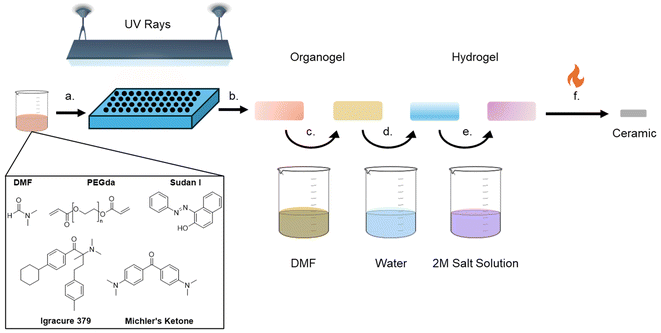
Because hydrogel materials are already very mature and easy to 3D print, this approach can circumvent several challenges faced by traditional ceramic additive manufacturing techniques. The author notes that multiple studies on this technology were published this year.
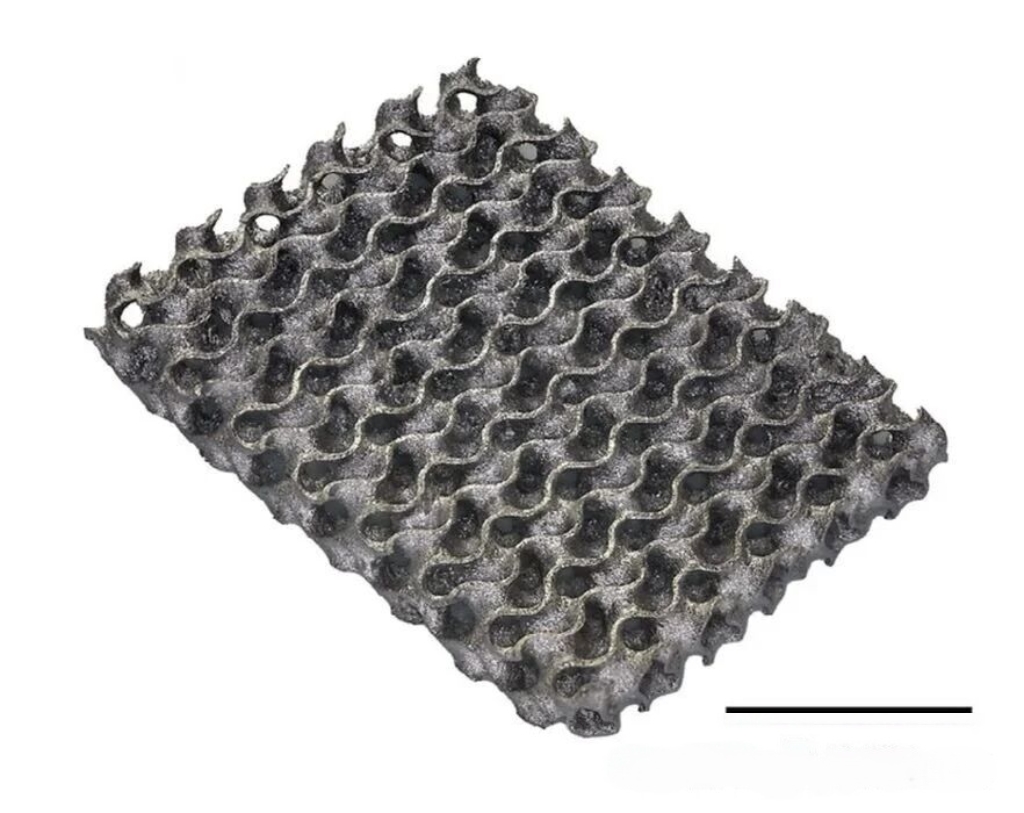
Research from LLNL found that both the formulation of the hydrogel scaffold and the type of metal salt used for hydrogel infiltration significantly affect the quality and morphology of the final ceramic components. For example, the hydrogel composition has a pronounced influence on ceramic porosity: higher-concentration hydrogel formulations result in fewer macroscopic cracks in the ceramic structure. The type of metal salt also affects porosity and morphology—chloride salts tend to produce denser microstructures than nitrate salts. The study indicates that, as long as the precursor materials are sufficiently optimized, the HIAM process can successfully fabricate a wide variety of ceramic materials. This work further deepens the understanding of alternative approaches to ceramic additive manufacturing.
3D Printing Dark-Colored Ceramics for Hypersonic Applications
Dark-colored ceramics are materials capable of withstanding the extreme stresses and conditions of hypersonic flight. Under severe atmospheric environments, they exhibit superior resistance to degradation and failure. However, compared with light-colored ceramics such as alumina, 3D printing dark ceramics (e.g., silicon carbide) is significantly more challenging. This difficulty arises from the different ways these materials interact with ultraviolet (UV) light.
In photopolymerization-based processes, light-colored ceramics allow light to promote resin crosslinking through reflection and scattering. In contrast, dark ceramics absorb a large portion of the incident light, which interferes with the curing process and makes successful printing more difficult.
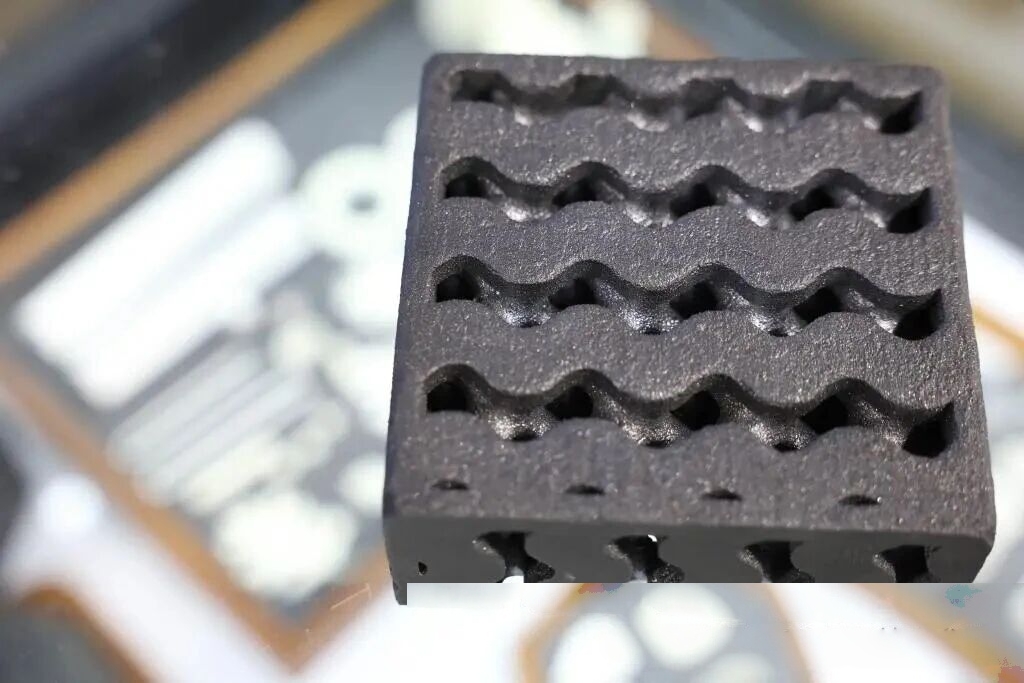
Silicon Carbide Ceramics Manufactured by Binder Jetting 3D Printing at a U.S. Research Institution
According to reports, a research team from the Purdue Applied Research Institute (PARI) is developing a process for 3D printing complex components made from dark-colored ceramics. The team is using a DLP-based 3D printing approach and is addressing the curing challenges associated with dark ceramics from multiple angles, including resin formulation, surface treatment, and printing performance.
Using this approach, the researchers have successfully printed dark-ceramic parts in a variety of geometries, including cones and hemispheres intended for hypersonic aircraft applications. However, the reports do not specify which particular ceramic material is being referred to as the “dark ceramic.”
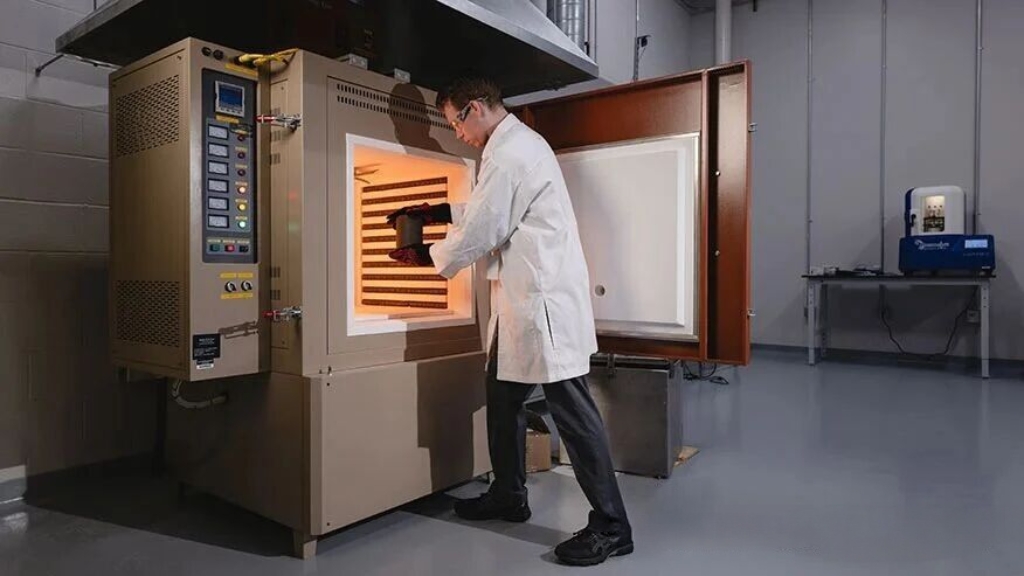
In this field, domestic teams are actually taking the lead. In 2024, Qiandu Hi-Tech announced that it had overcome the challenges of 3D printing dark-colored silicon carbide ceramics. Its approach involved increasing light source power, extending exposure time, and adjusting photoinitiators to enhance the photosensitivity of black ceramic materials.
Meanwhile, Qiyu Technology showcased silicon carbide ceramic parts produced using photopolymerization-based 3D printing, while Shenghua 3D presented research progress on silicon carbide ceramics conducted by multiple universities using its extrusion-based 3D printing technology.
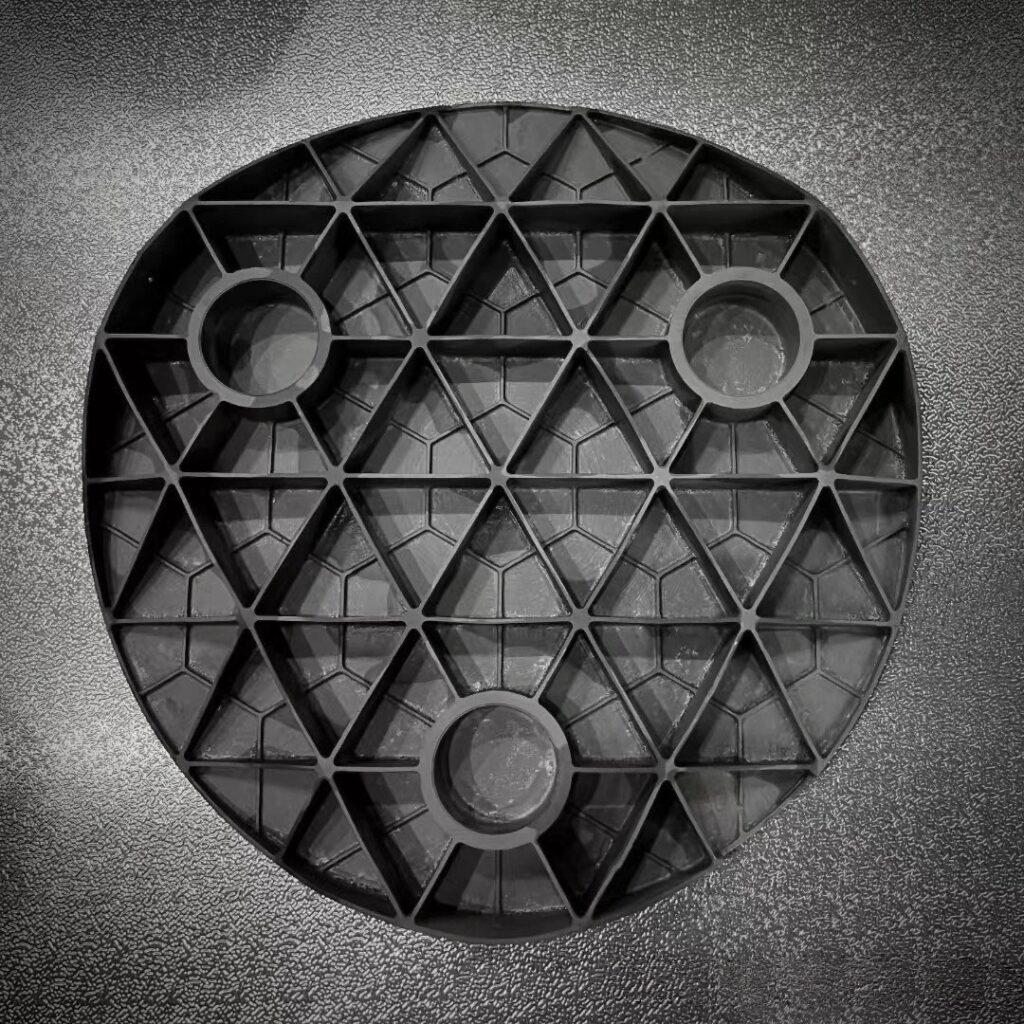
A Silicon Carbide Mirror Customized by Qiandu Hi-Tech for a Satellite Company (Outer Diameter Exceeding 500 mm)
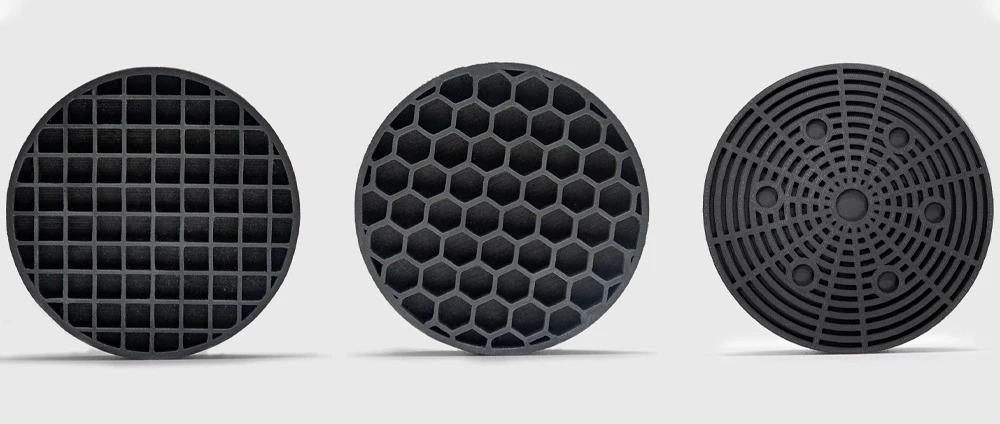
Silicon Carbide Mirror 3D Printed by Shenghua 3D
Ceramic 3D printing technology is undergoing a pivotal transition from laboratory research toward large-scale practical applications. The three breakthrough cases discussed in this article represent the research community’s efforts to enhance ceramic component performance, explore new process routes, and tackle hard-to-print materials—all with the shared goal of overcoming key application challenges in ceramic additive manufacturing.