As additive manufacturing technologies continue to penetrate aerospace, automotive, new energy, and high-end manufacturing sectors, metal 3D printing materials are entering a phase of rapid iteration and breakthrough innovation.
Materials with higher performance, better process compatibility, and improved forming efficiency are continuously emerging, enabling the production of complex components, lightweight structures, and functionally integrated designs that were previously difficult or impossible to achieve.
The 2026 TCT Asia Exhibition will bring together cutting-edge metal 3D printing materials and advanced processes from around the world, presenting optimized material solutions ranging from high-conductivity copper alloys and precision aluminum alloys to high-performance titanium wire and tool steels. Whether your priority is peak performance, forming efficiency, or cost balance, the event offers a direct look at how additive manufacturing is driving the next wave of high-end manufacturing innovation.
High-Conductivity, High-Strength Copper Alloy — MT-CuCrZr
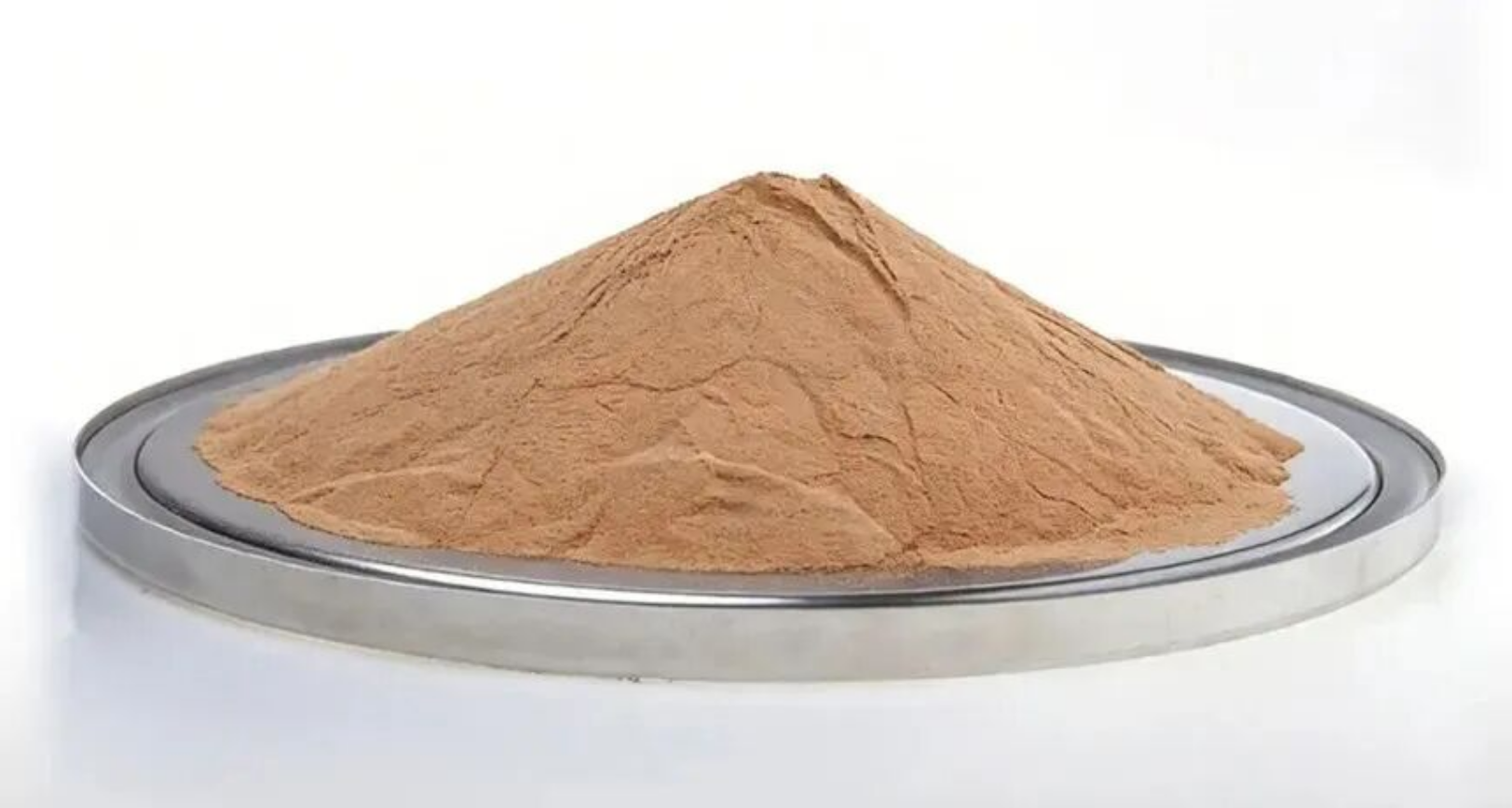
In response to the key challenges associated with CuCrZr additive manufacturing—such as high laser reflectivity, poor formability, and difficulty in performance control—AVIMET has carried out coordinated optimization across the entire production chain.
The company has successfully upgraded its MT-CuCrZr copper alloy powder, achieving systematic breakthroughs in composition control, particle size distribution, and overall performance. With an annual production capacity of 300 tons, the material has reached mature and stable large-scale manufacturing capability.
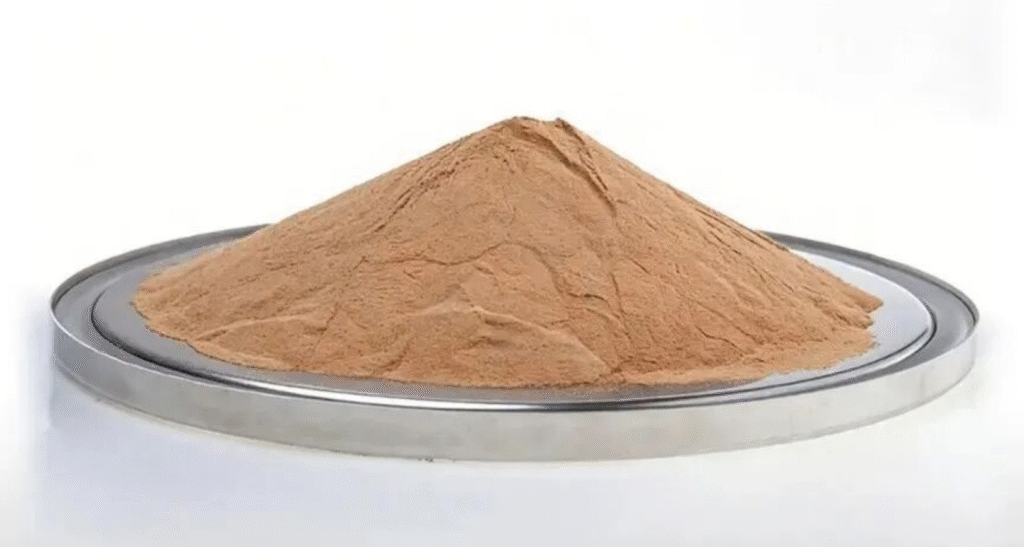
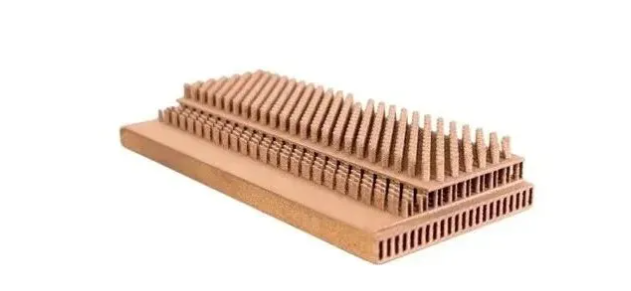
As a precipitation-hardened copper alloy, this powder combines high electrical and thermal conductivity with excellent strength, high-temperature resistance, wear resistance, and fatigue resistance, while maintaining strong machinability.
Through a full-process solution covering alloy composition design → powder preparation → printing → performance validation, the material is compatible with multiple types of printing systems. It is capable of precisely meeting the high-end manufacturing requirements of aerospace, electronics, and new energy industries, enabling efficient production of critical components such as rocket engine combustion chambers and new energy vehicle connectors.
Precisely Controlled Zirconium High-Performance Copper Powder — CNPC-CuCrZr
In CuCrZr alloys used for 3D printing, zirconium (Zr) is prone to burn-off during processing. However, zirconium plays a critical role in inhibiting grain growth and ensuring strength and electrical conductivity at elevated temperatures. As a result, controlling zirconium loss during printing has become a significant technical challenge within the industry.
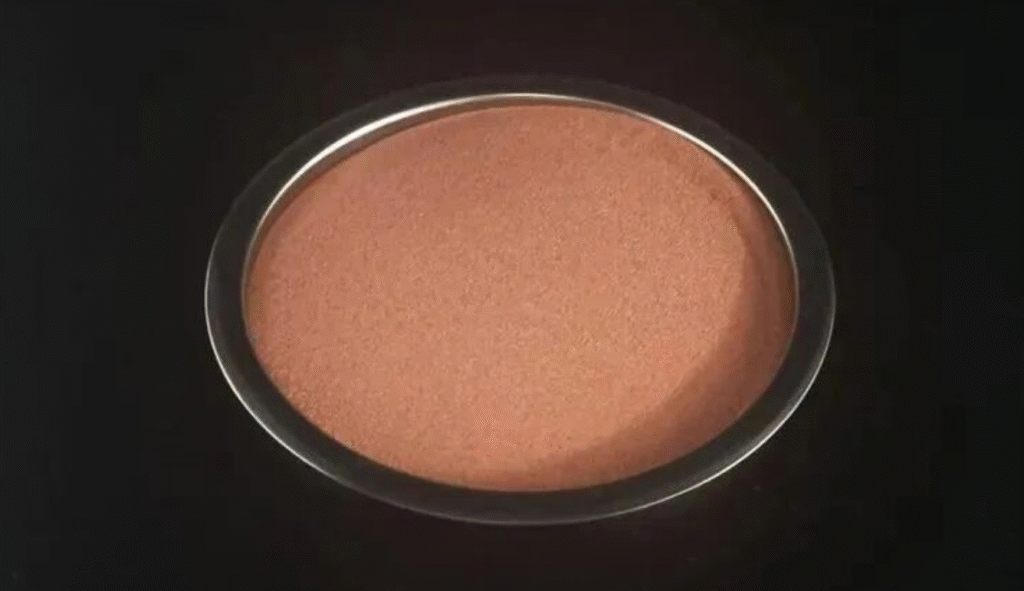
Zhongti New Materials announced that it has successfully overcome this bottleneck by developing a stable and precise zirconium (Zr) composition control technology. The Zr deviation is strictly limited to within 0.1%, ensuring batch-to-batch consistency of CuCrZr powder. The material also demonstrates good sintering activity.
Test results show that after printing and heat treatment, the copper alloy achieves a tensile strength of 584 MPa, a yield strength of 487 MPa, and an elongation of 20%, placing it among the leading performers in the current industry. Zhongti New Materials currently maintains a stable production capacity of several tons of CuCrZr alloy powder per month, enabling continuous and timely supply of high-quality material.
Ultra-Dense High-Purity Copper Powder — Beifeng High-Purity Copper Powder
Beifeng Intelligent utilizes its independently developed GHA process to produce high-purity copper and copper alloy powders. The powders achieve a sphericity of up to 95%, and printed samples exhibit thermal and electrical conductivity levels close to those of pure copper. This provides a reliable material foundation for high-end electronics and energy applications.
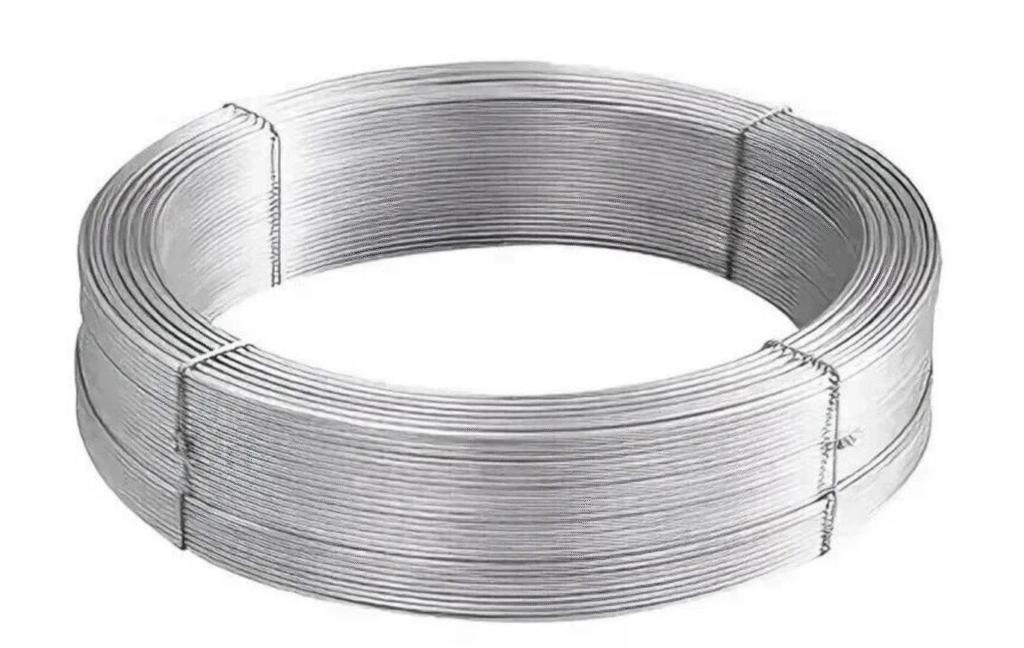
Lightweight, High-Strength 3D Printing Titanium Wire
Titanium wire is a critical material in additive manufacturing, with TC4 (Ti-6Al-4V) alloy wire being the most widely used. Its exceptional strength-to-weight ratio, corrosion resistance, and excellent biocompatibility make it a mainstream material for the direct manufacturing of complex aerospace structures, high-performance automotive components, and orthopedic implants.
In industrial applications, titanium wire is also widely employed in additive processes such as TIG welding and wire arc additive manufacturing (WAAM) for component repair and surface reinforcement, further advancing lightweight design and functional integration in high-end manufacturing.
Titanium Wire for Plasma Atomization (PA) Powder Production
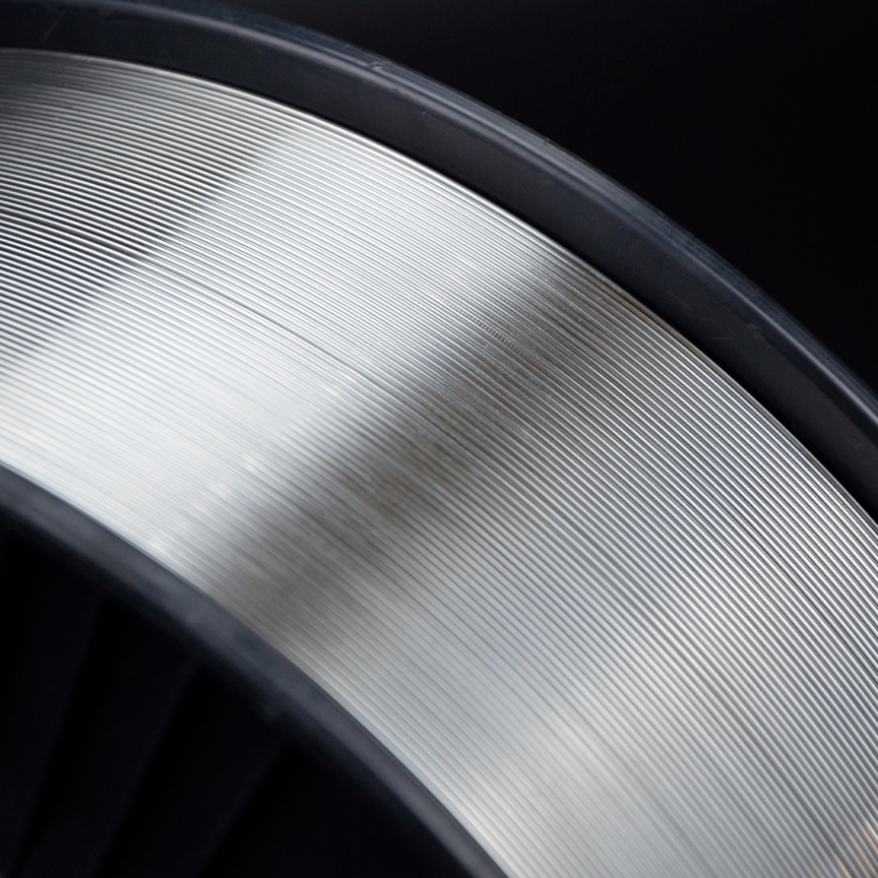
Titanium and titanium alloy wire specifically designed for the Plasma Atomization (PA) process features highly uniform and pure chemical composition, excellent metallurgical quality, and stable atomization performance.
With high straightness and superior surface finish, the wire ensures continuous and stable electrode operation during powder production. This significantly improves powder sphericity, flowability, and batch consistency, making it an ideal electrode material for manufacturing high-quality titanium alloy powders.
Available titanium wire grades include TC4 (Ti-6Al-4V), TC11, TA15, and TA18, with diameter specifications of Φ4.0 mm, Φ5.0 mm, and Φ6.0 mm.