

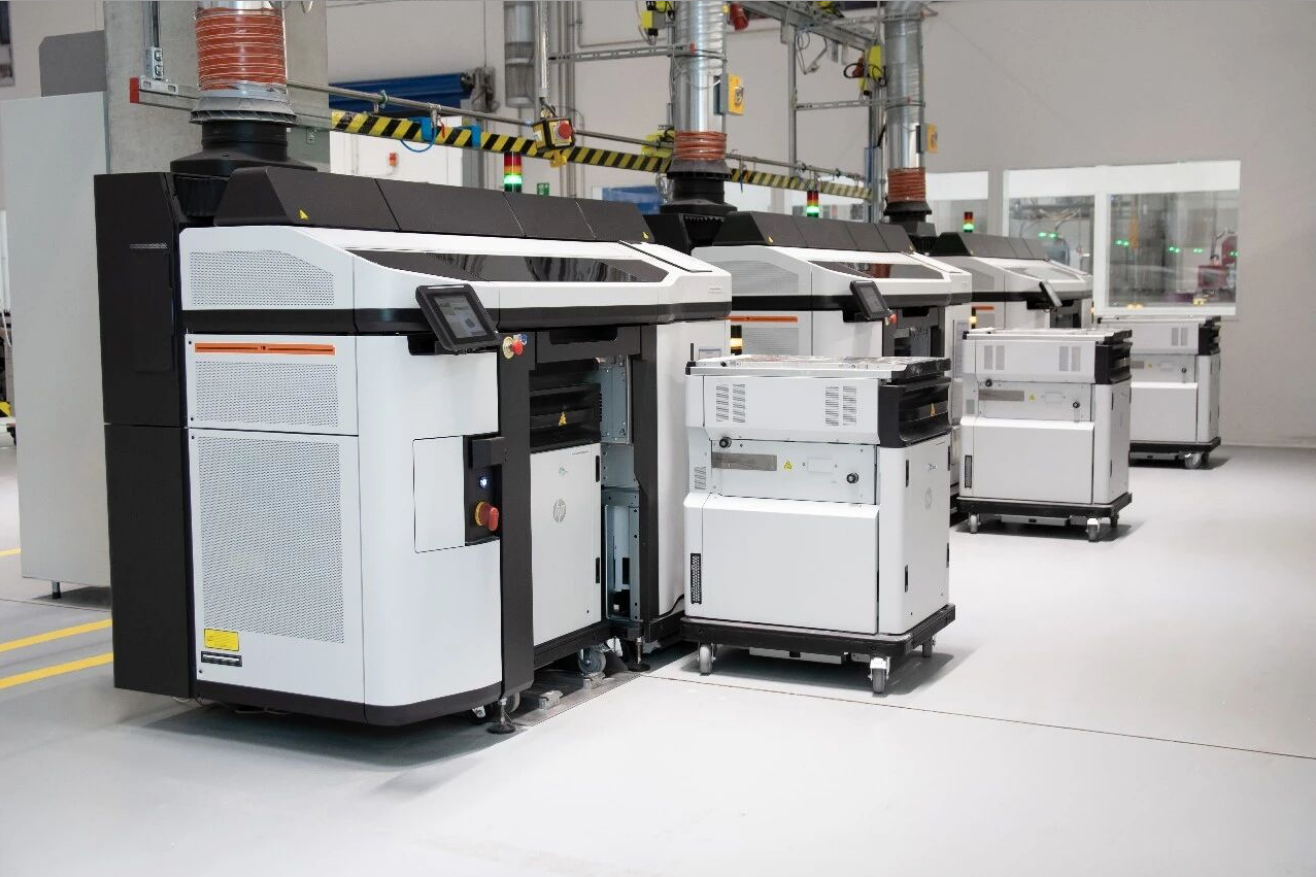
On March 4, the BMW Group published an article titled “Scalable, Automated, Open Materials: BMW Group Continues to Invest in Additive Manufacturing and Elevates the Technology to the Next Industrial Level.”
In the article, the company emphasized the central role of 3D printing in its future production system and stated that it will further expand the scale of its use. It also highlighted that starting in 2027, automotive parts will be mass-produced using arc-based 3D printing technology.

BMW Group 3D Printing Technology
Current Application Status
According to the report, additive manufacturing has now been fully integrated into every stage of the BMW Group’s product lifecycle. From early-stage research and prototyping, to series production, and even supporting the global manufacturing network, 3D-printed components are being used across the entire process.
In the field of prototype manufacturing, additive manufacturing can now meet a variety of functional requirements that were unachievable just a few years ago. The technology is increasingly becoming an indispensable tool in fast, flexible, and advanced development workflows, making a decisive contribution to shortening product development cycles.
For example, additive manufacturing has supported the development and validation of the next-generation vehicle platform, and 3D-printed components are also being used in the research and development of the latest generation of electric drive systems.
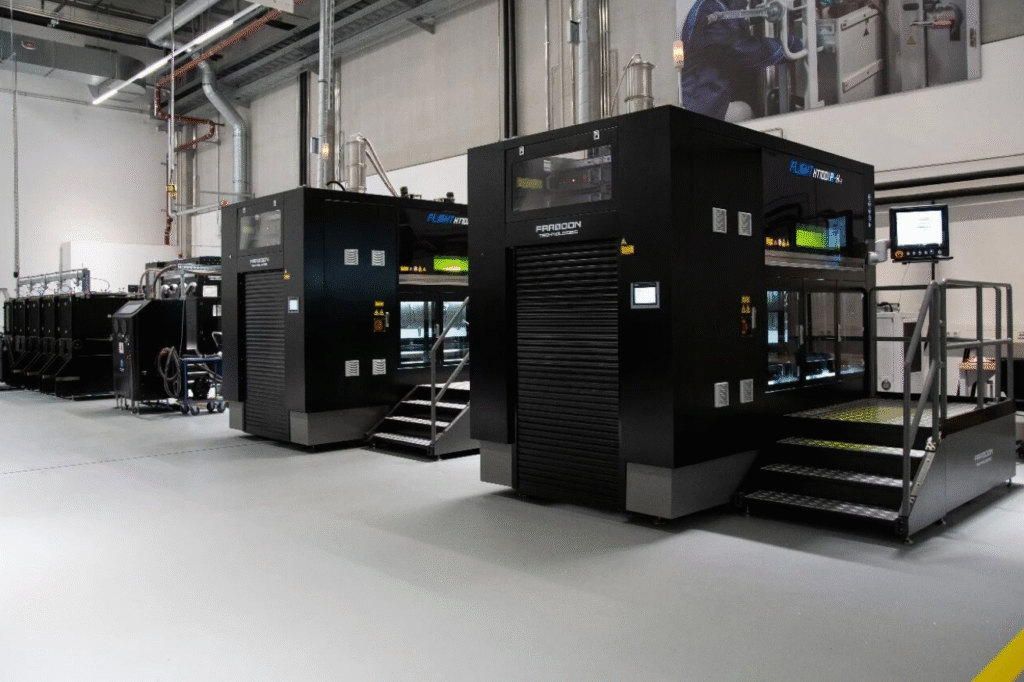
Additive manufacturing technology has been implemented across the global production system of the BMW Group. It supports the company’s entire manufacturing network, enabling factories to rapidly and flexibly produce 3D-printed components, thereby optimizing workflows and production processes. The field is currently experiencing very rapid growth.
For end-customer components—such as customized parts, series-production parts, and aftermarket components—this technology offers both technical and economic advantages, while also creating unique customer experiences.
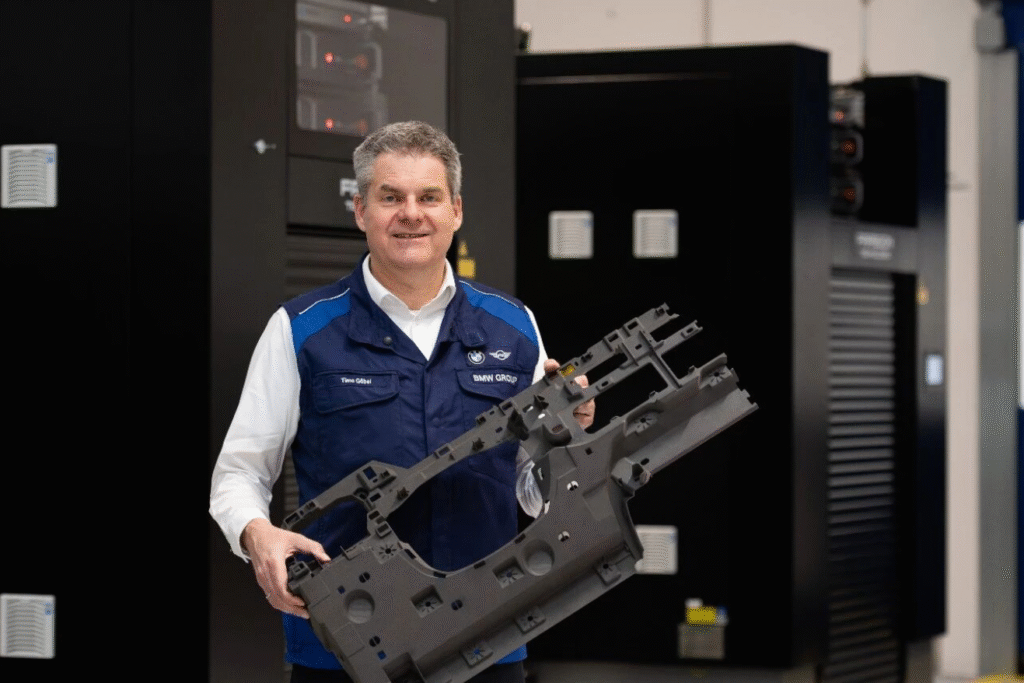
The BMW Group has observed strong growth in the use of additive manufacturing across all stages of the product lifecycle, along with an expanding range of applications. As a result, the company plans to continue increasing its investment in this key technology.
BMW Group 3D Printing Technology
Future Application Plans
BMW noted that by scaling up 3D printing for production, the company will be able to manufacture larger components with significantly improved performance, while also greatly reducing delivery times throughout the product development process.
For many applications, molds will no longer be required, which will dramatically increase manufacturing flexibility and speed.
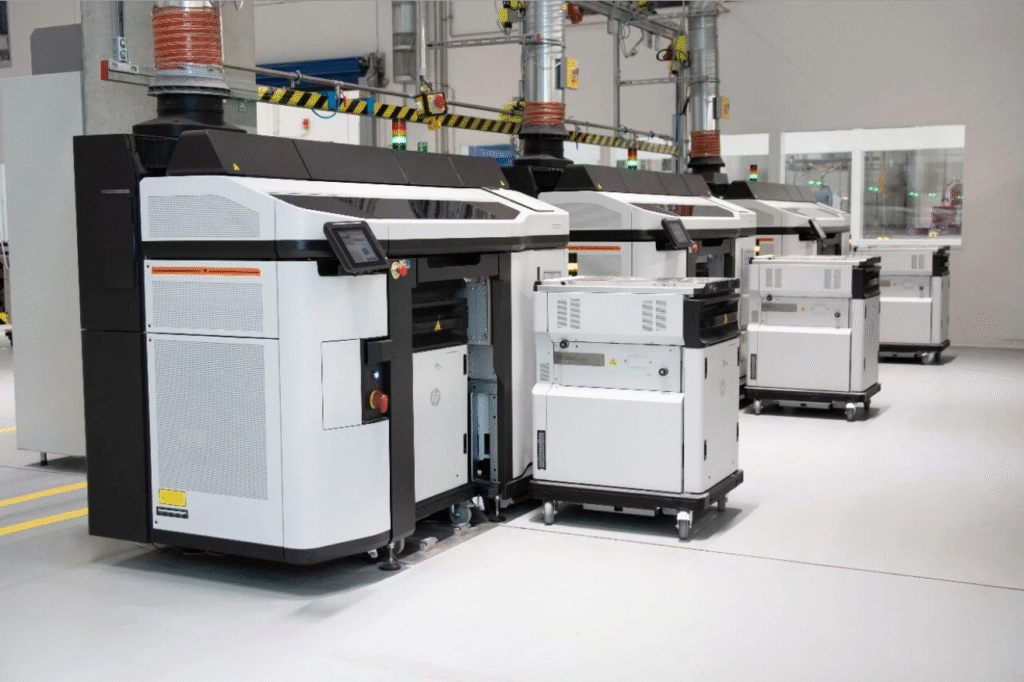
During the research and development phase, additive manufacturing processes are already capable of producing high-performance components suitable for dynamic functional testing and even crash testing, achieving quality levels that previously required prototype molds.
The new generation of high-productivity automated systems at the additive manufacturing campus enables faster and more efficient production. In addition, larger build volumes make it possible to manufacture large, integrated high-performance components, opening up more application opportunities in prototype manufacturing and further promoting the broader adoption of this technology.
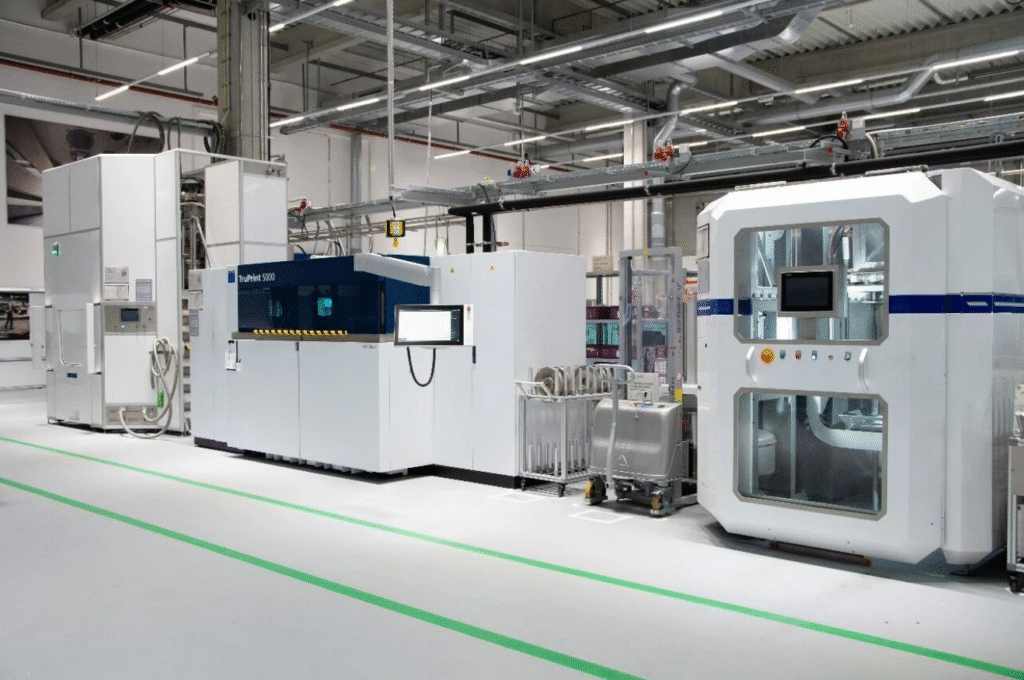
In terms of series production, the company expects that in the coming years, high-productivity systems will be capable of manufacturing larger components in higher volumes.
The WAAM (Wire Arc Additive Manufacturing) technology significantly accelerates the production of large-scale parts and can be optimally integrated with existing manufacturing systems.
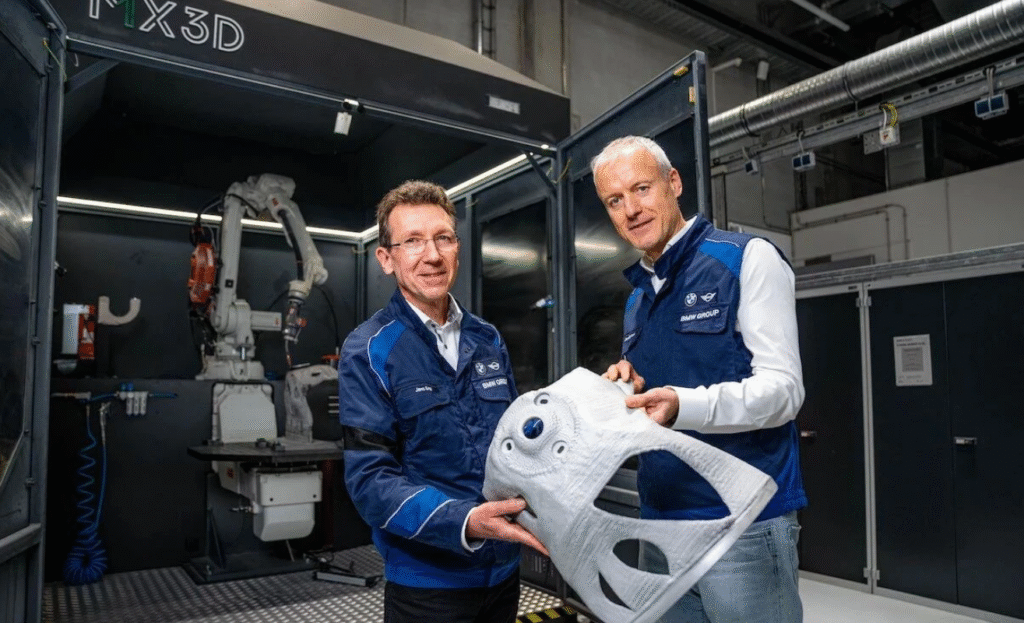
Within the production system, fast, reliable, and easy-to-use equipment enables the global factories of the BMW Group to independently and rapidly produce additive manufacturing auxiliary parts locally, thereby improving the efficiency of the entire R&D and manufacturing network.
In the short term, BMW will focus on integrating the next generation of equipment, which will help the company steadily move toward the large-scale industrialization of additive manufacturing.
From a technological perspective, BMW is working to fully transition Wire Arc Additive Manufacturing (WAAM) into series production. The prototype development process is already well established, and vehicle testing began in 2025, with the first batch of components scheduled for mass production starting in 2027.
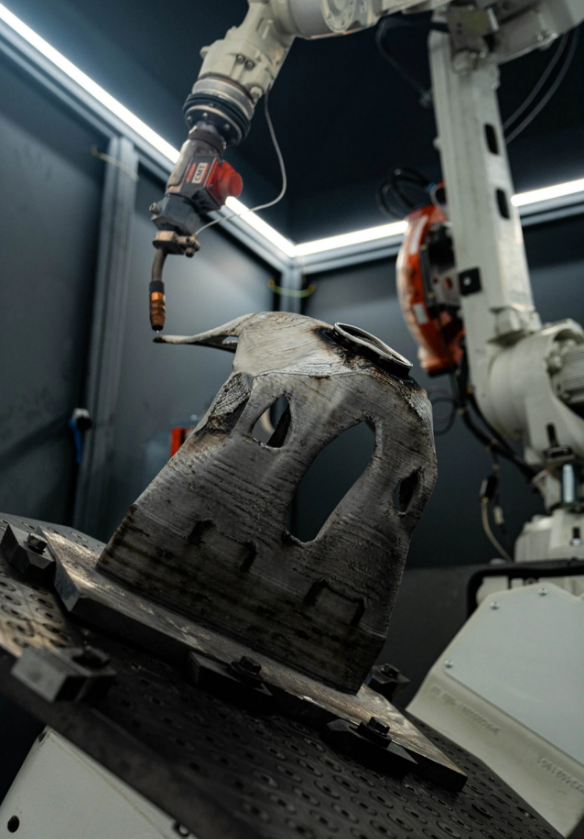
Arc Additive Manufacturing Parts at the BMW Group
Through these efforts, the BMW Group is actively promoting the transformation of additive manufacturing from a specialized technology into a fully integrated and widely applied production technology, both technically and organizationally.