
Using FDM 3D printers that cost only a few thousand yuan each, deploying hundreds or even thousands of machines can effectively create a 3D printing farm capable of mass-producing components. In recent years, Ukraine has 3D printed a large number of components for military drones.
In March 2026, Ukrainian President Volodymyr Zelenskyy confirmed that Ukraine has provided combat-proven drone interception technology to governments in the Middle East. These countries have long faced threats from Iranian-made Shahed loitering munitions. Several regional governments have proactively approached Ukraine, seeking access to its counter-drone expertise and hardware systems.
After four years of combat against Russian and Iranian drones, Ukraine’s counter-drone technologies have become a strategic asset.
President Volodymyr Zelenskyy proposed a “defense-for-technology” exchange plan, under which Ukraine would provide drone interception technology in exchange for PAC-3 interceptor missiles needed for its own air defense. This proposal highlights the advantages of Ukraine’s technologies compared with traditional Western air defense systems. Conventional Western systems are extremely expensive and require long-term training and maintenance infrastructure, whereas Ukraine’s interception solutions offer a cost-effective alternative, particularly suited for countering low-cost, mass-produced drones.
SkyFall Introduces the P1-Sun 3D-Printed Interceptor Drone
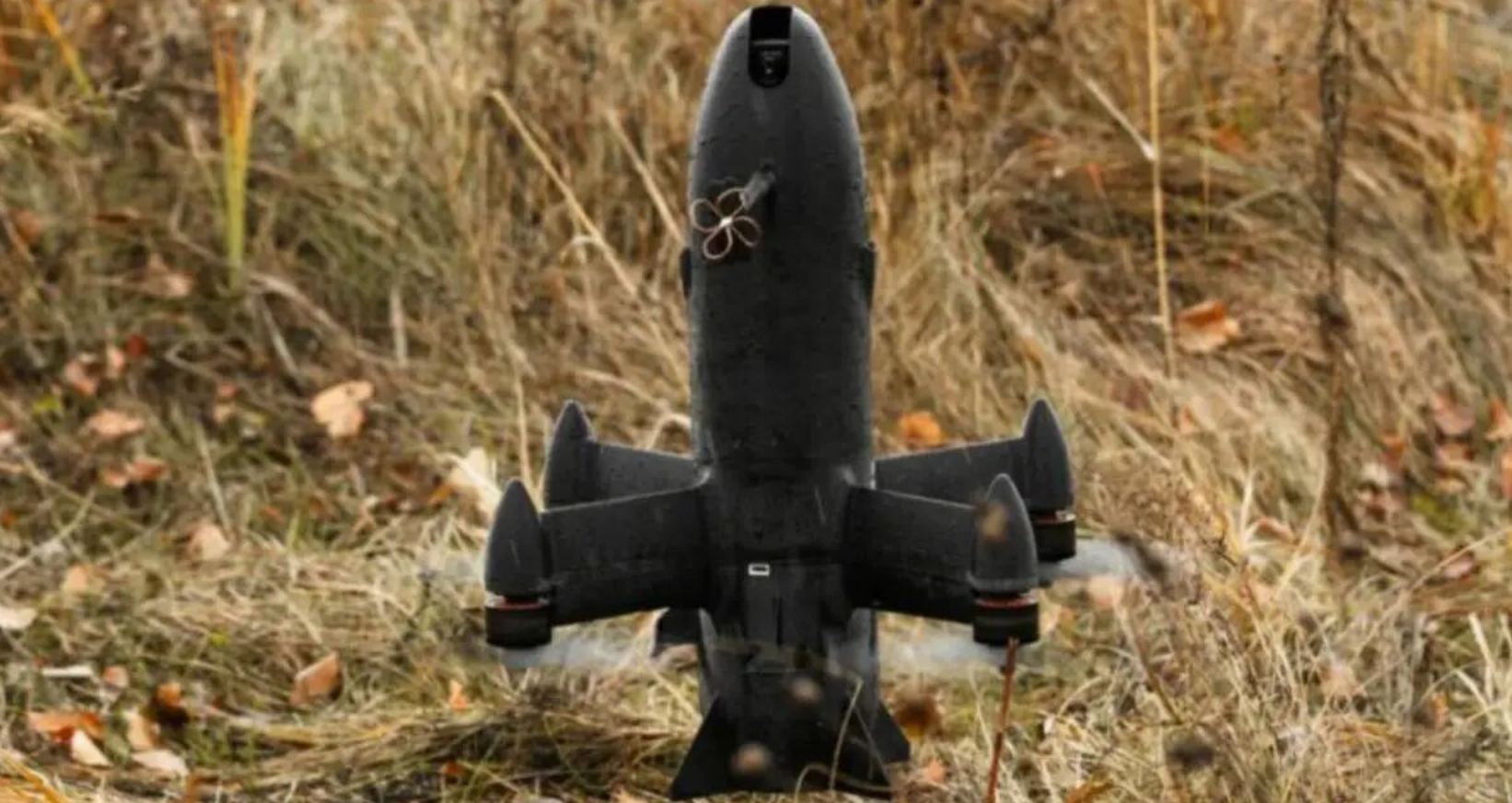
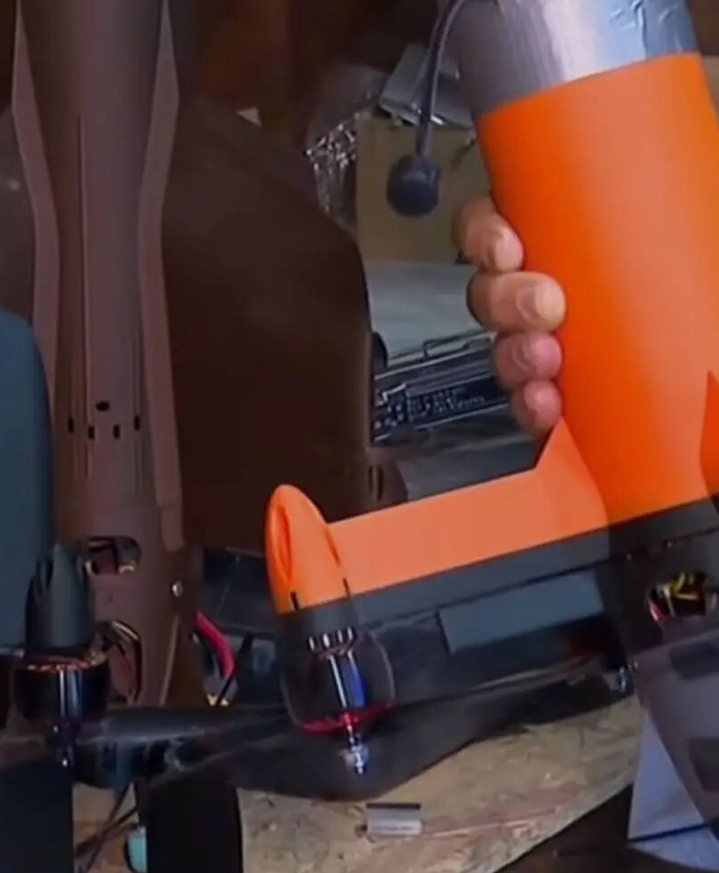
SkyFall, a major Ukrainian manufacturer of interceptor drones, unveiled the P1-Sun system at the Dubai Airshow in November 2025. The system is a 3D-printed modular interceptor drone specifically designed to counter cruise missiles, low-altitude helicopters, and Shahed drones.
The P1-Sun can reach a maximum speed of 450 km/h, which is 50% faster than the previous generation (300 km/h). Its maximum operating altitude is 5,000 meters, enabling a wider interception range against low-cost one-way attack drones. The airframe adopts a 3D-printed modular structure, which reduces manufacturing complexity and enables rapid production. SkyFall revealed that the monthly production capacity has already reached several thousand units. During the development process, frontline Ukrainian soldiers directly contributed feedback, incorporating real combat experience into the design.
P1-Sun’s Combat Capability Verified
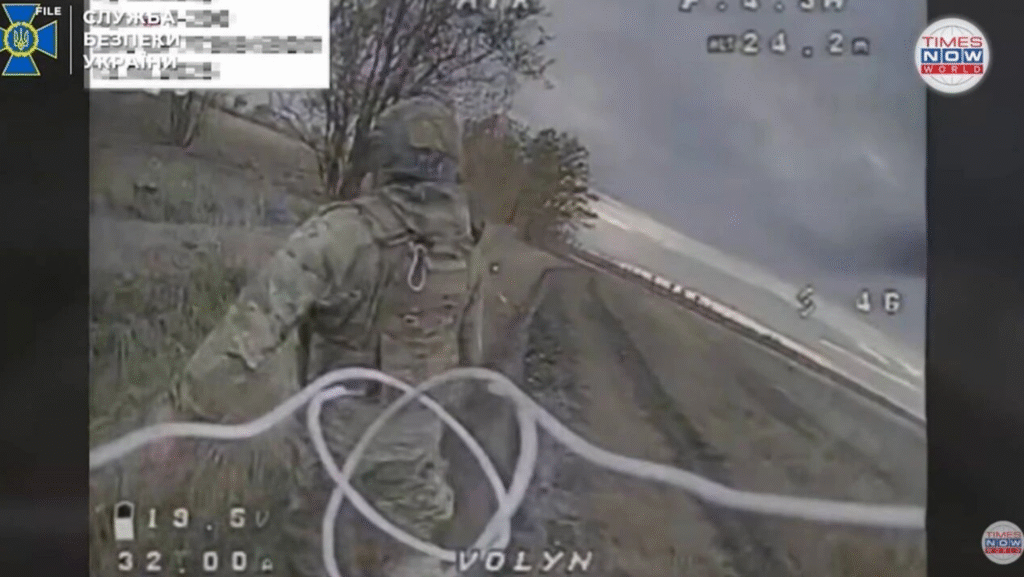
At the Dubai Airshow, SkyFall demonstrated the P1-Sun’s capability to counter Geran-2 cruise missiles and presented video footage showing the system striking Russian vehicles, providing evidence of its operational effectiveness. Delegations from the United States, France, Germany, the United Kingdom, the UAE, and the Baltic states all visited the SkyFall booth, highlighting the growing international interest in Ukraine’s drone technologies.
In addition to the P1-Sun, SkyFall also showcased the improved Vampire bomber drone, the Shrike first-person-view (FPV) drone, and other interceptor drone models. The company’s participation in the exhibition reflects the rapidly increasing global demand for mature counter-drone solutions.
Ukraine’s Drone Industry: From Emergency Solutions to Scalable Production
During the war, Ukraine’s drone industry has expanded significantly, evolving from improvised, quickly modified systems into equipment platforms capable of large-scale production.
Selling products to international markets and establishing technology partnerships have become potential strategic export opportunities for Ukraine. At the same time, this development also poses a geopolitical challenge to the dominance of Russia and Iran in supplying drones to conflict regions.
The Middle Eastern market presents an important opportunity for Ukraine: it allows the country to establish itself as a supplier of mature counter-drone technologies, while also acquiring the air defense systems needed by its own military, creating a mutually beneficial exchange between technological capabilities and defense requirements.