

Recently, SpaceX released updates on the 12th test flight of Starship, which is expected to launch in May.
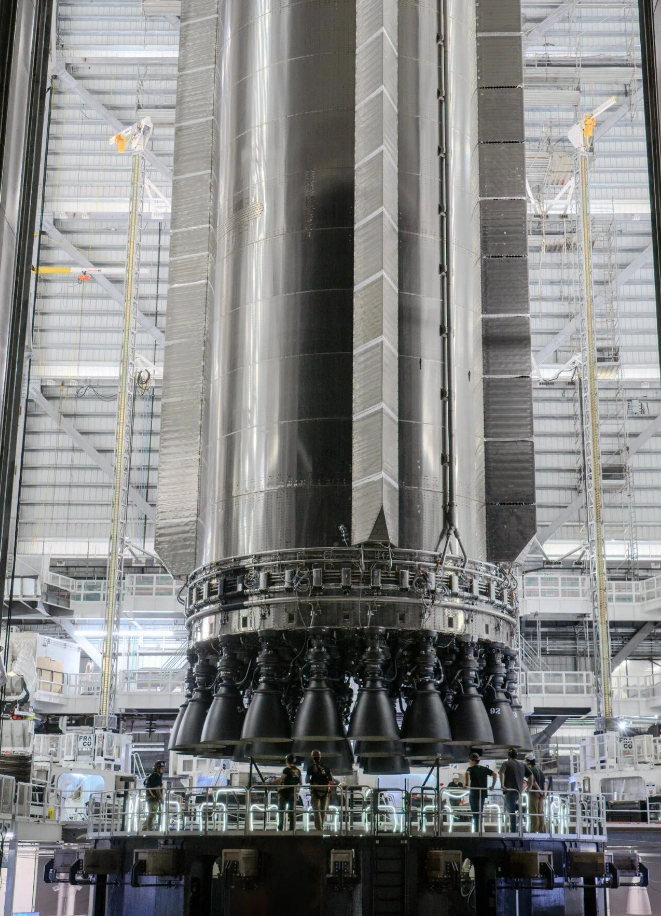
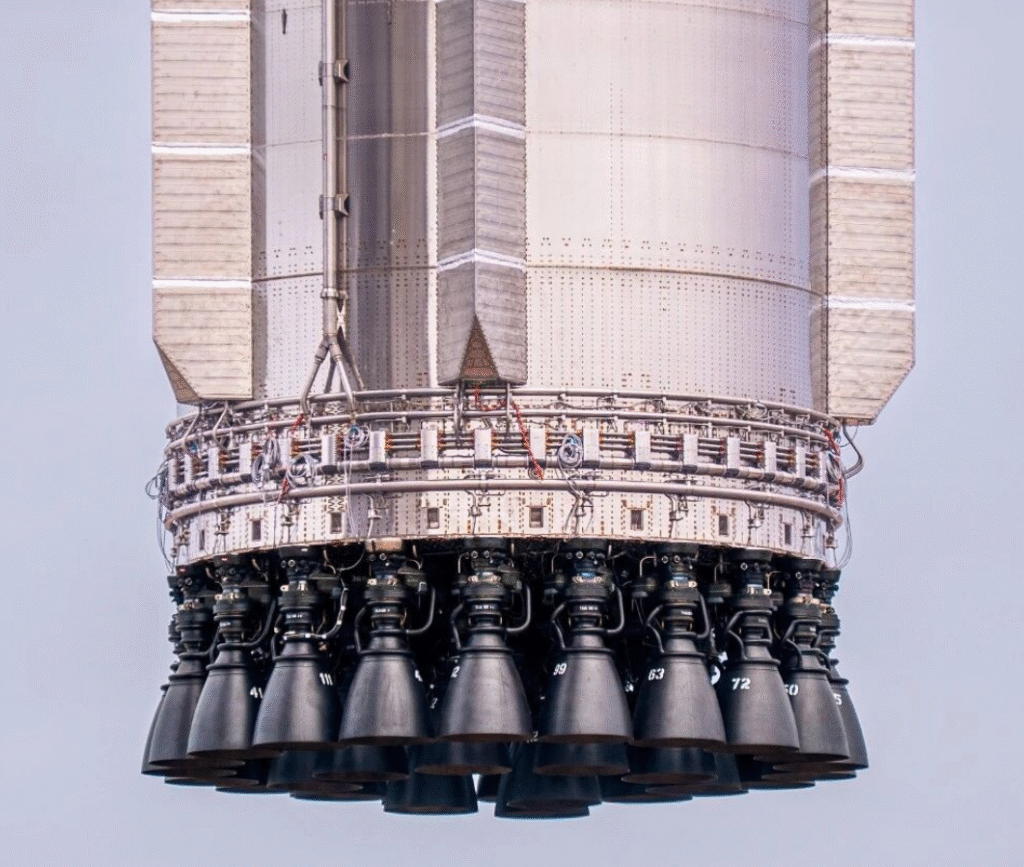
On April 12, Elon Musk also shared on-site images of the third-generation Starship (V3) equipped with 33 Raptor 3 engines, presenting a truly stunning scene.
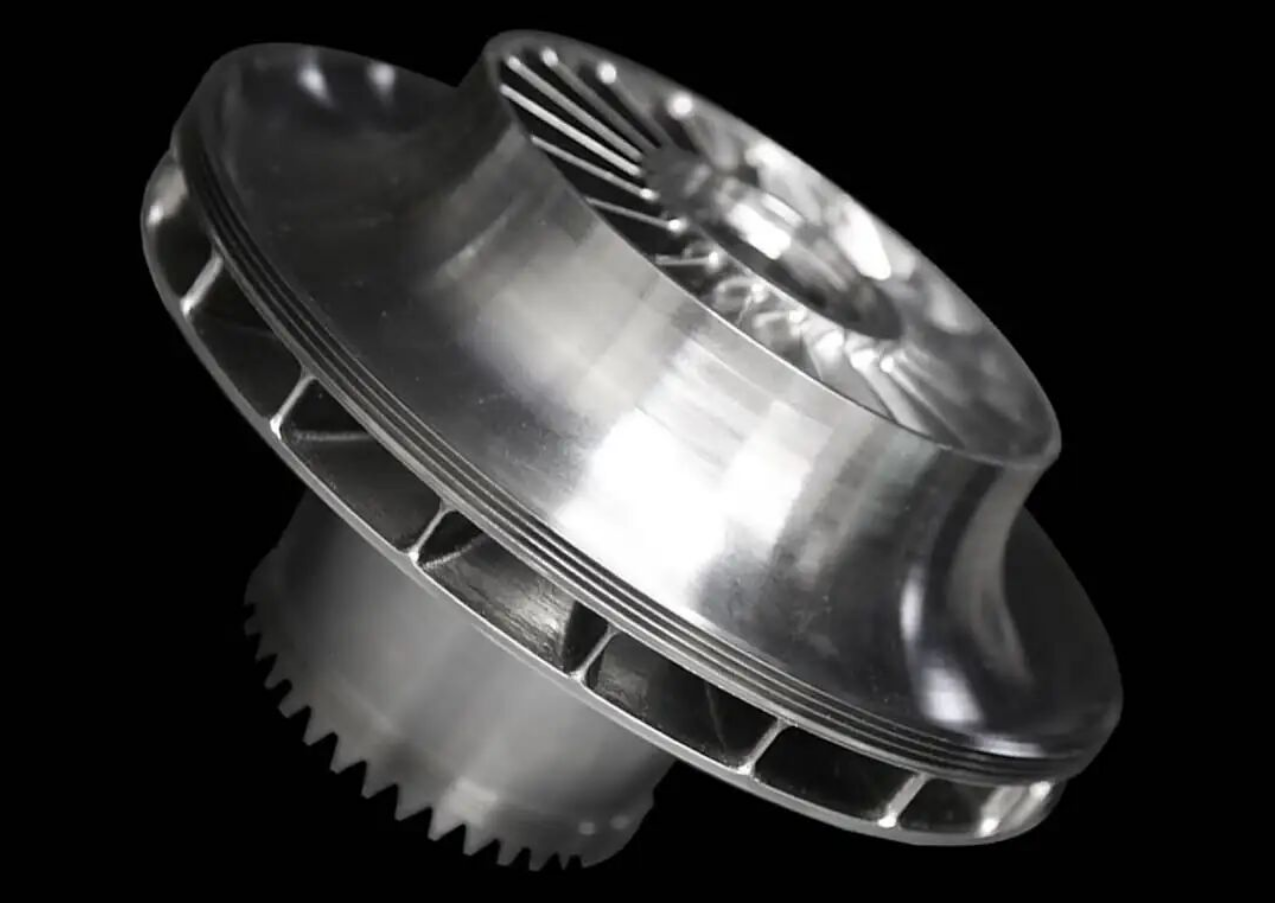
The Raptor 3 engine makes extensive use of metal 3D printing in its development and manufacturing, resulting in a simpler structure, higher strength, and greater performance. At the same time, it significantly enhances the reusability of rocket engines.
These advantages mainly stem from 3D printing’s ability to achieve integrated manufacturing and complex geometries.
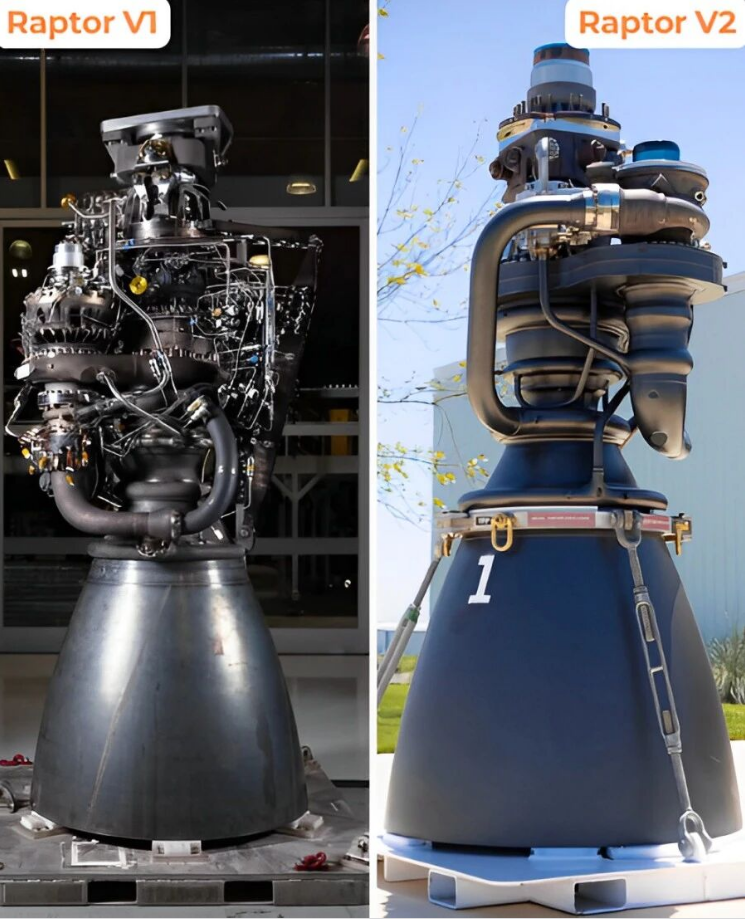
Traditionally, many components had to be joined using bolts or welding. Now, they can be combined into a single, unified structure and produced in one step—which is a key reason why the Raptor 3 engine appears much more streamlined compared to previous generations.
In addition, this manufacturing approach brings a range of further benefits.
First, it significantly reduces the number of production steps and greatly lowers reliance on manual welding processes and specialized tooling. This enables SpaceX to rapidly produce new engines, supporting high-frequency launches and testing.
Second, integrated manufacturing significantly improves dimensional accuracy, consistency, and reliability.
Compared with traditionally welded components, it greatly enhances overall part reliability—making components safer, more durable, and easier to certify. The substantial reduction in potential failure points also makes engines better suited for repeated use.
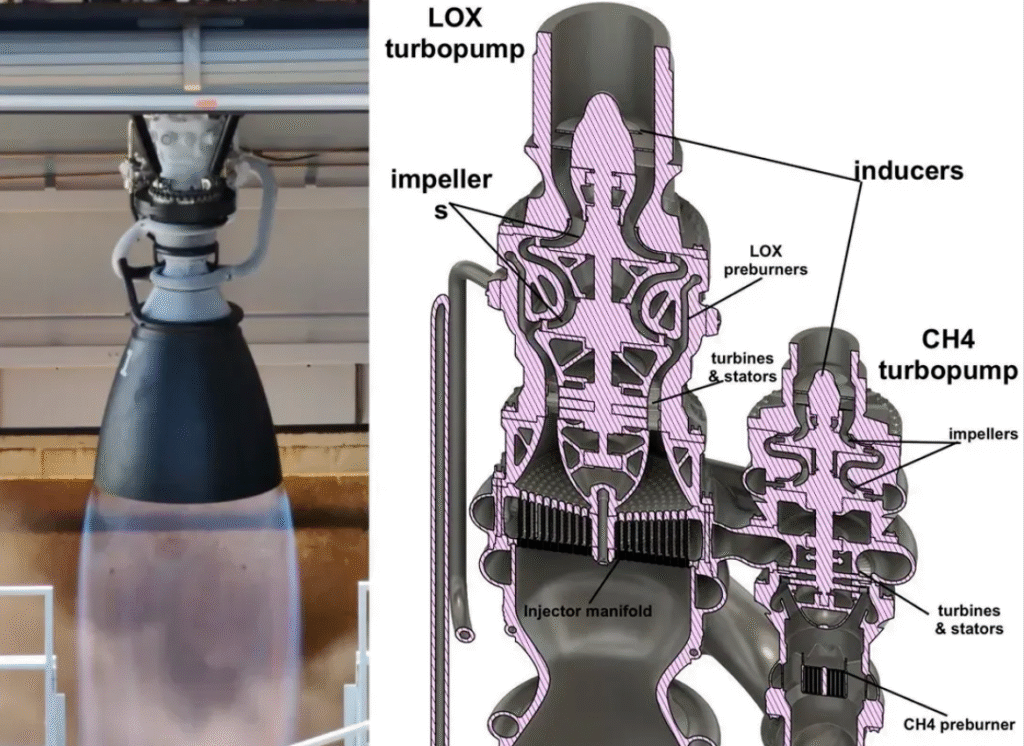
Third, integrated manufacturing through 3D printing significantly reduces overall weight, resulting in greater thrust.
According to publicly available data, the Raptor 3 engine weighs 1,525 kg, representing a weight reduction of over 25% compared to the first-generation model. And that’s just the engine itself—the total weight reduction, including the structure, reaches an astonishing 1,155 kg.
At the same time, its thrust has increased from 185 tons to 280 tons, enabling the Raptor 3 to achieve a record-breaking thrust-to-weight ratio.
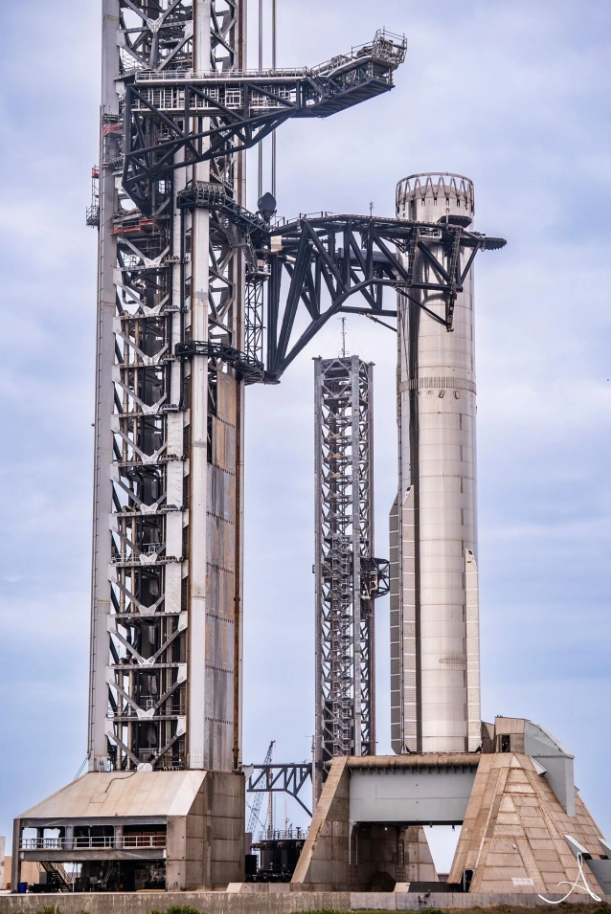
SpaceX has deployed strong in-house 3D printing capabilities. It is reported that the company operates more than 20 metal 3D printers, and in 2024, it signed an $8 million agreement with Velo3D. The agreement allows SpaceX to use, replicate, and modify Velo3D’s technology internally, and to develop new applications based on it.
A key innovation from Velo3D is its support-free printing technology, which enables the production of more complex internal channels and irregular geometries without the need for labor-intensive post-processing to remove support structures.
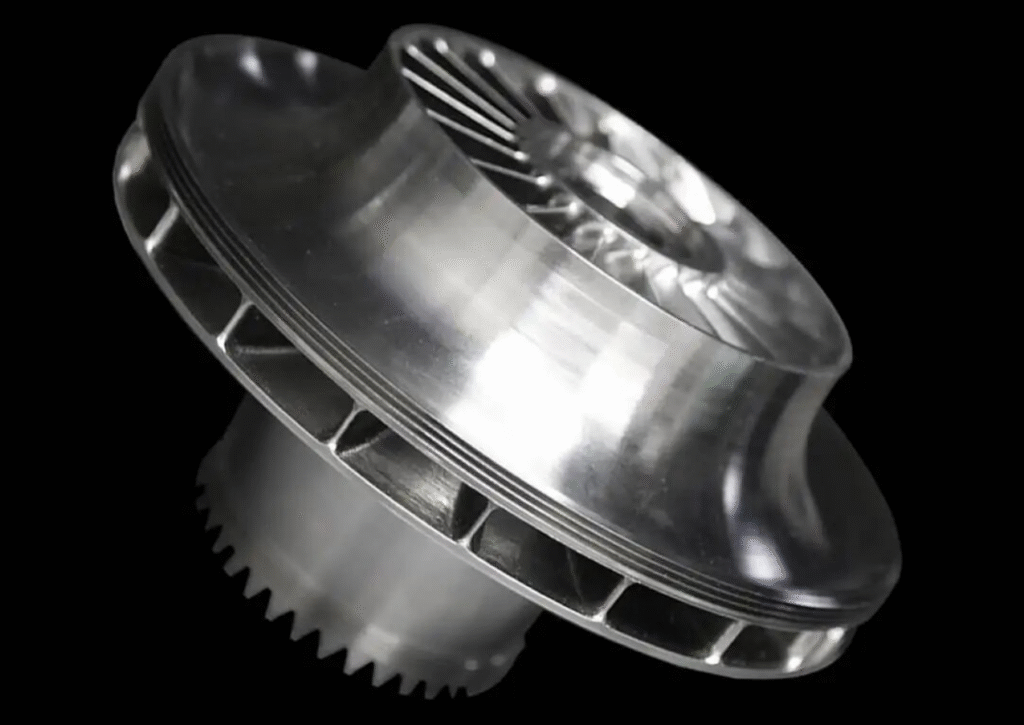
In addition, the manufacturing cost of the Raptor 3 engine has been significantly reduced. Elon Musk claimed that the cost per engine can be compressed to under $200,000.
Today, 3D printing has effectively become a “standard” manufacturing process in the aerospace industry, no longer a novelty. It was once mainly concentrated among leading equipment providers and specialized service bureaus, but in recent years, demand has begun shifting toward more mainstream 3D printing equipment manufacturers and service providers, reflecting the rapid expansion of the market.
According to market reports, the aerospace additive manufacturing market exceeded $7.68 billion in 2025, and is projected to reach $34.4 billion by 2035, with a compound annual growth rate (CAGR) of approximately 16.2%.