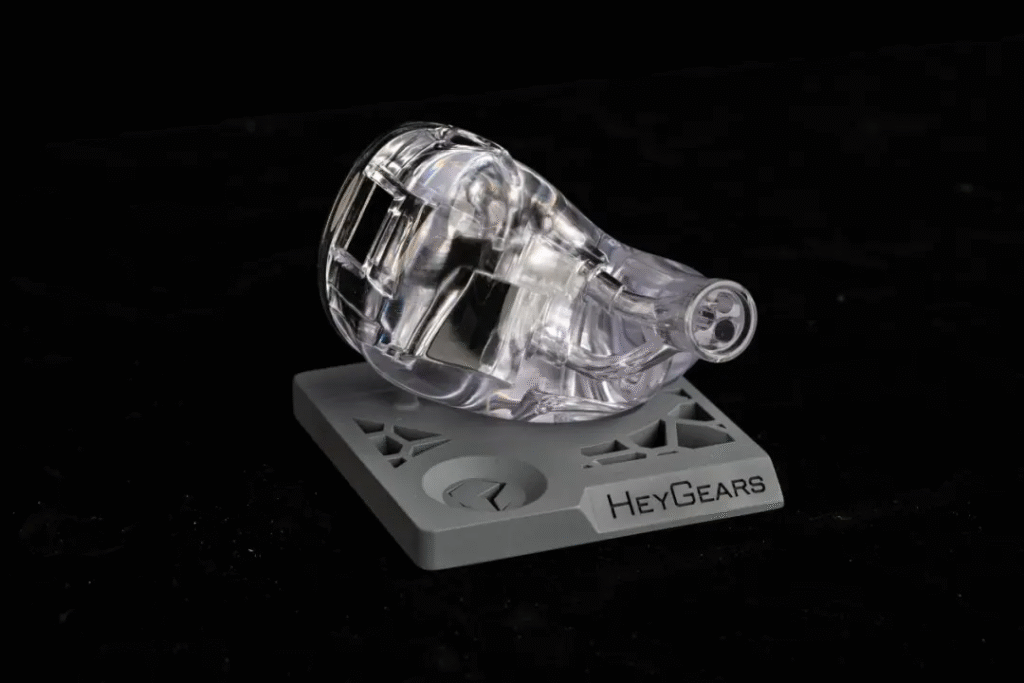
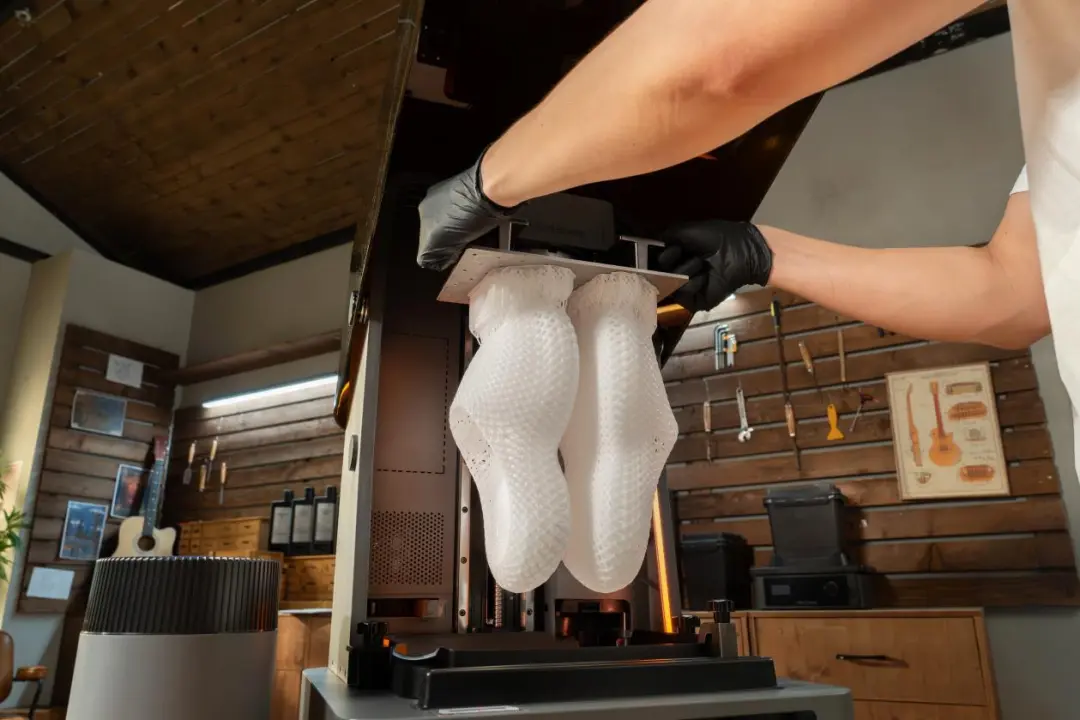
Desktop-scale resin 3D printers are now capable of producing end-use consumer products—such as shoes and eyewear—that meet strict performance requirements, as well as functional industrial components. This marks a major shift, since such capabilities were previously limited to industrial-grade resin 3D printers costing tens of thousands of dollars or more.
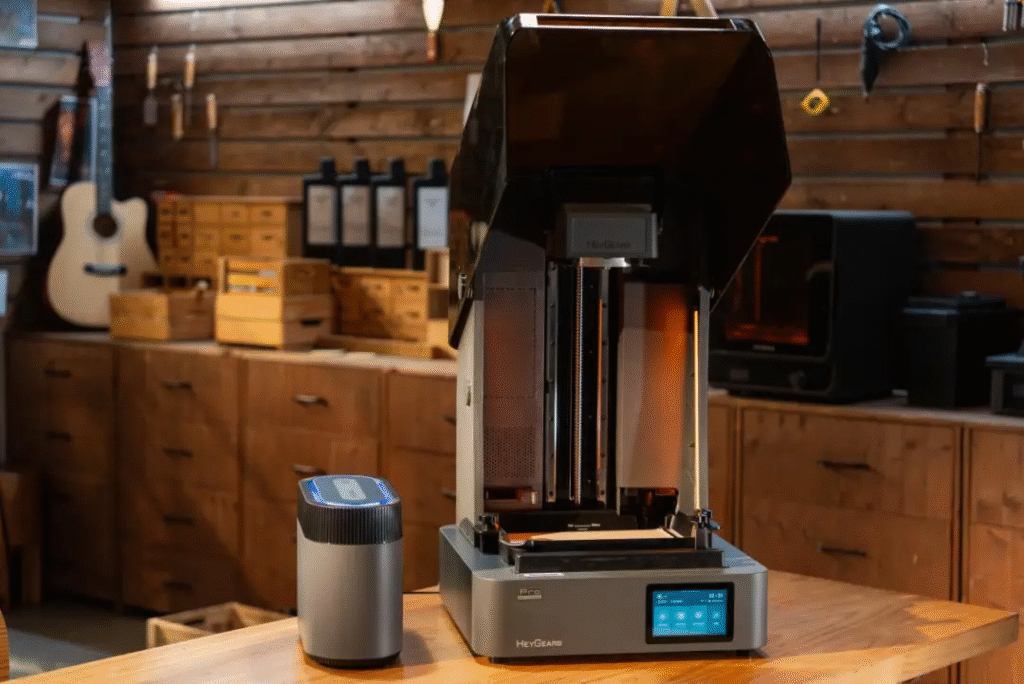
October 2025 — Reflex 2 Series: Breaking the Barriers of Mass Production in Resin 3D Printing
In October 2025, the Reflex 2 series of resin 3D printers made its official debut, marking a dual breakthrough with “compatibility with multiple high-performance materials” and “stable mass production capability.” Through comprehensive system optimization, Reflex 2 effectively resolves the precision and efficiency challenges that have long limited large-scale additive manufacturing. As a result, it provides key technical support for transitioning 3D printing from niche applications to industrial-level adoption—ushering the industry into a new phase of scalable production.
1. Overcoming the Bottleneck of Mass Production: The Launch of Reflex 2 Series
The new Reflex 2 series includes two models—Reflex 2 and Reflex 2 Pro—laying a solid foundation for the diverse applications of resin 3D printing.
Reflex 2 Pro: Defining a New Standard for Stable Production
As the flagship of the lineup, Reflex 2 Pro is engineered for demanding, continuous manufacturing environments, focused on enhancing reliability, efficiency, and cost control at scale.
Expanded Build Volume:
The build capacity has been increased to 230 × 144 × 350 mm, which is 2.3× larger than its predecessor, easily accommodating models up to 35 cm in height. This enables efficient one-piece printing of medium and large components.
1032-Zone Optical Control System:
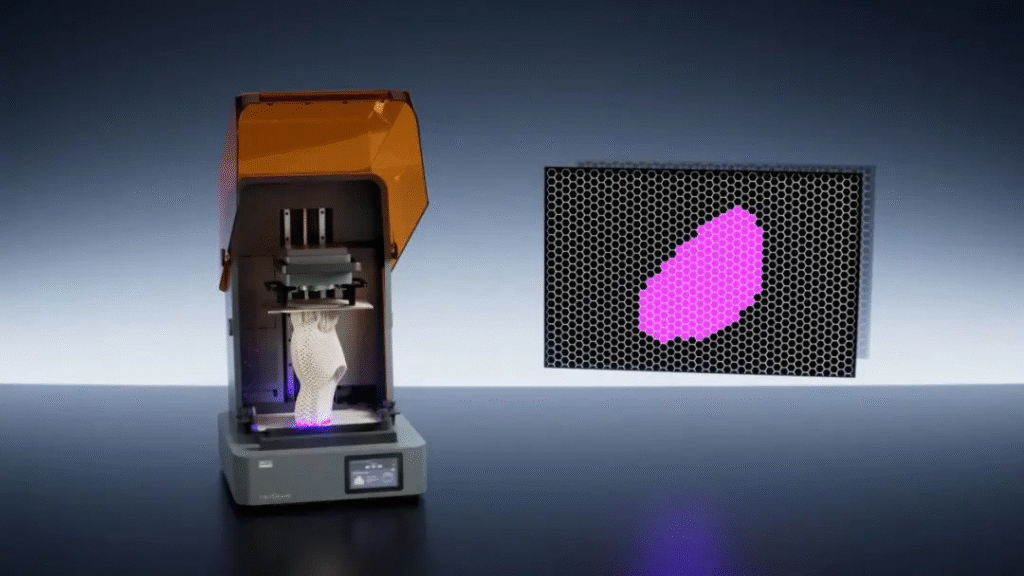
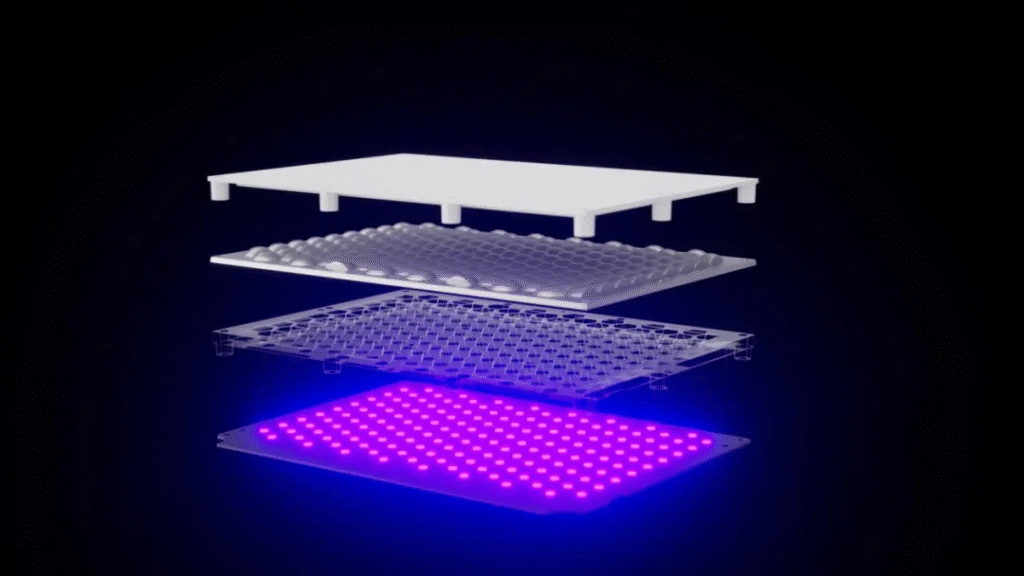
Equipped with 1032 individually controlled Mini-LEDs, paired with custom collimating lenses and 480,000 micro-lenses, the system delivers precise light exposure management. The result is highly uniform, collimated illumination—significantly improving print quality while reducing resin residue and print defects.
High-Transparency Amber Screen Pro:
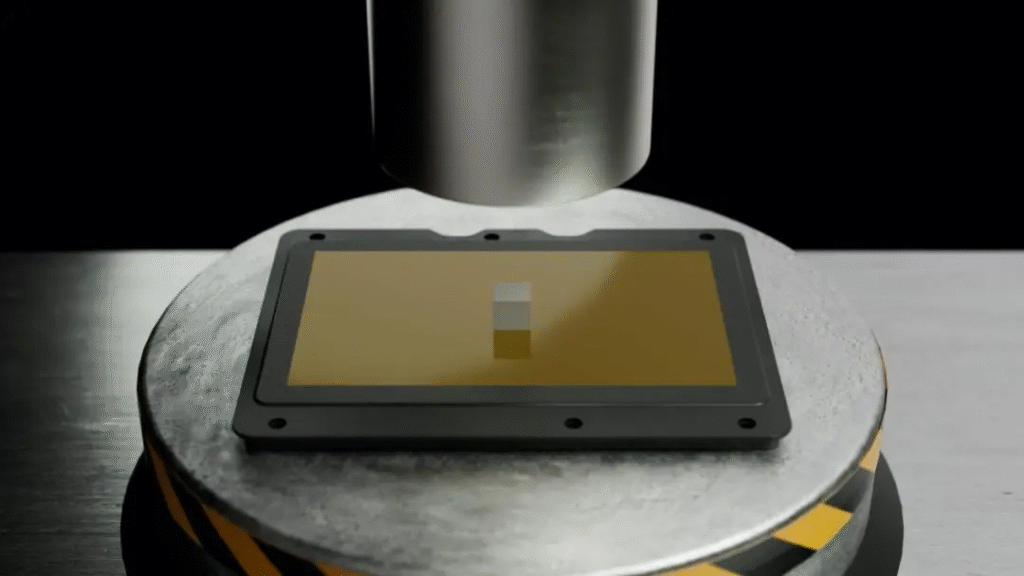
Featuring a 10% light transmittance, which is twice that of standard LCD panels, this upgraded screen supports a light intensity output of up to 35 W/㎡, laying the foundation for compatibility with a wider range of high-performance resins. The UV-resistant macromolecular liquid crystal layer ensures over 6,000 hours of stable printing while delivering a 100× improvement in pressure resistance, providing both durability and consistency in long-term industrial production.
Full-Chain Intelligent Control:
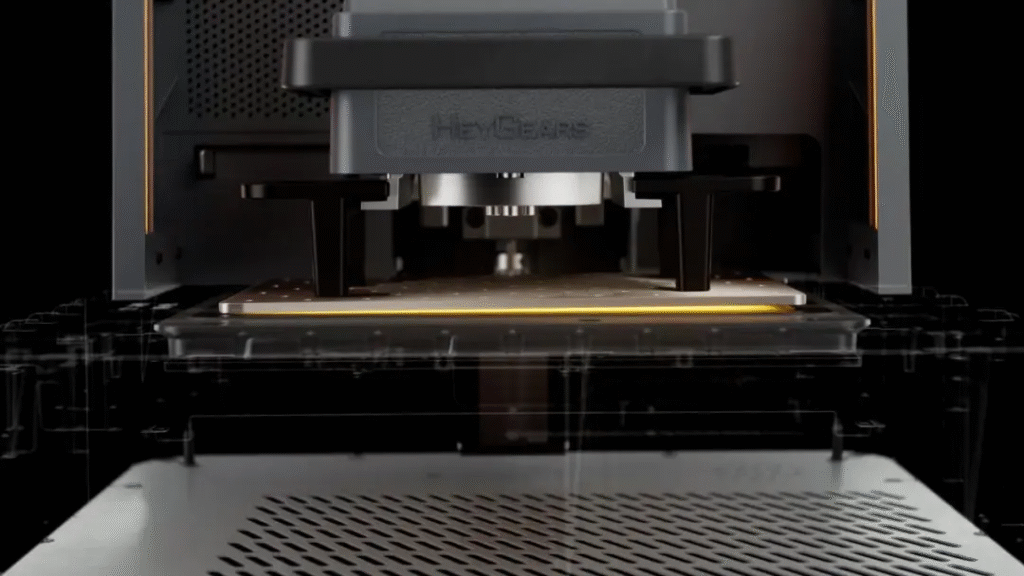
Equipped with ultrasonic auto-resin refilling, high-precision residue detection, and a self-leveling floating platform, the Reflex 2 Pro achieves comprehensive automation across the printing process. Combined with a high-precision FOC motor and intelligent temperature-controlled wiper system, it minimizes manual intervention, ensuring stable, efficient, and continuous production for industrial-grade applications.
Reflex 2: Inheriting Professional DNA for High-Performance Output
The Reflex 2 fully inherits the custom Amber Screen Pro and zoned light control system from the Reflex 2 Pro, maintaining exceptional reliability in printing precision, detail reproduction, and operational stability.
161-Zone Light Control System:
Delivers finely tuned optical precision with nearly zero stray light in dark areas, ensuring smoother surfaces, sharper details, and enhanced overall print quality — taking visual and structural performance to the next level.
10.7-Inch Amber Screen Pro:
Supports 20 μm ultra-thin layer printing, effectively minimizing layer lines and improving surface smoothness. The screen’s pressure resistance is significantly enhanced, ensuring over 6,000 hours of stable, high-precision printing for long-term reliability in professional workflows.
Self-Developed Blueprint Studio Software:
Enables one-click slicing with full-process automation. Users can complete setup within minutes—no testing or parameter tuning required—to effortlessly achieve high-quality, production-ready prints.
In addition, the Reflex Series supports a wide range of high-performance materials, including:
PAT10 Transparent Resin (88.5% light transmittance, anti-yellowing, and aging-resistant)
Elastic Materials (Shore 50A, 70A, damping, and foamed variants)
High-Rigidity PAH270 Resin (heat resistance up to 270 °C—the highest currently available for resin materials)
These materials provide professional support for diverse applications, such as transparent components, flexible wearables, and industrial jigs.
Deep Industry Integration: Precision Empowerment for Professional Manufacturing and Creative Production
The new Reflex 2 Series aligns cutting-edge technology with diverse market demands, offering tailored solutions for multiple industries.
The Reflex 2 Pro focuses on prototype validation and end-use production using advanced materials, targeting fields like footwear, rehabilitation devices, and sports protection gear.
In footwear manufacturing, it leverages high-resilience, tear-resistant, and abrasion-resistant materials to rapidly transform conceptual designs into fully functional shoes, achieving a seamless transition from digital prototype to tangible product.

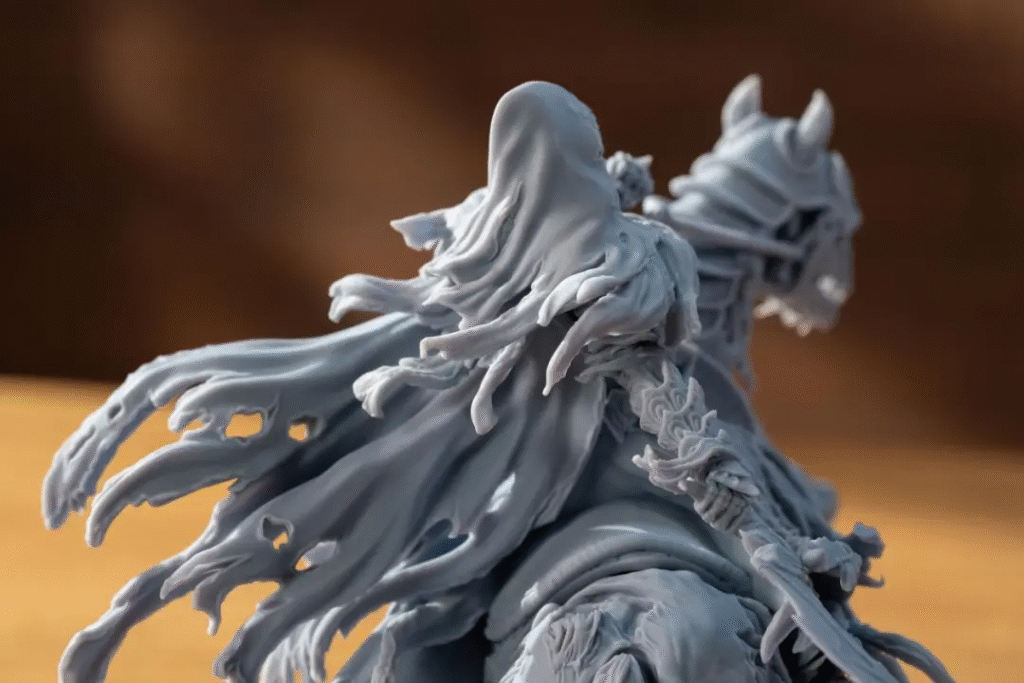
For professionals in 3D digital design, art production, and creative figurine manufacturing, efficiency and quality have always been indispensable. The Reflex 2 achieves the perfect balance between both through its stable and consistent performance.
In multi-batch, small-scale production scenarios, it maintains precise output throughout, eliminating concerns about reprinting due to defects or production interruptions. This reliability makes it an ideal match for the creative industry’s demand for fast-paced workflows and uncompromising quality.
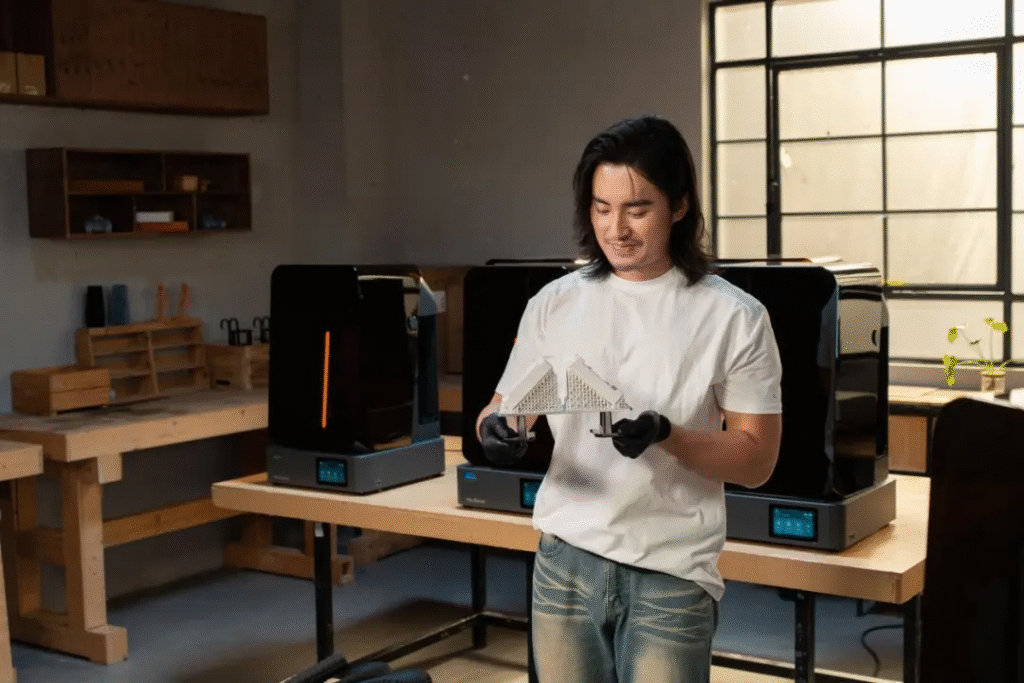
This level of convenience is best understood by designers themselves. One designer shared:
“In the past, after completing a model design, I had to wait several days to receive the prototype—often missing the best window to communicate with clients. Now, with Reflex 2, I simply save my design in the evening, import the file into the printer, and by the next morning, the refined prototype is ready. By noon, I can already discuss the design in person with the client.”
The time from design completion to physical model delivery has been drastically shortened, boosting both creative efficiency and responsiveness to client needs.
Built on a deep understanding of different industry demands, the Reflex 2 Series demonstrates exceptional flexibility and adaptability across applications. On one hand, it helps design teams efficiently transform creativity into high-quality physical models; on the other, it empowers individual creators and small studios to achieve rapid, cost-effective production, enabling agile responses to market trends and client requirements.