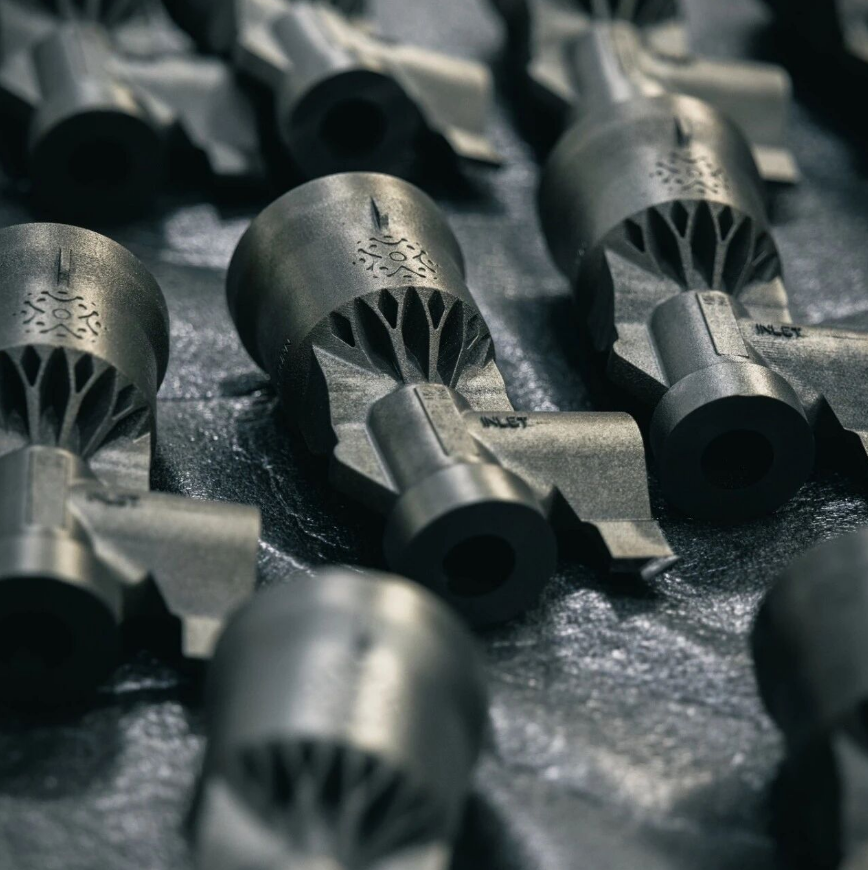
Ten years ago, if someone had said they would 3D print an entire rocket engine, many would have been skeptical.
The reasons for doubt were very real: Would 3D-printed parts be strong enough? Was there data to support their reliability? Could they withstand launch vibrations and maximum loads? Who would take responsibility for an entire rocket?
A decade later, the narrative around 3D printing in aerospace has shifted. It has moved from questioning strength to demonstrating the ability to produce large, reliable, mass-producible components.
Recently, a set of figures surprised both insiders and outsiders alike: aerospace company Rocket Lab has already launched over 800 3D-printed rocket engines, and by the end of 2026, the number is expected to exceed 1,000.
This milestone, combined with the rapid growth of commercial space, signals that 3D printing may be entering a new era of mass production in aerospace.
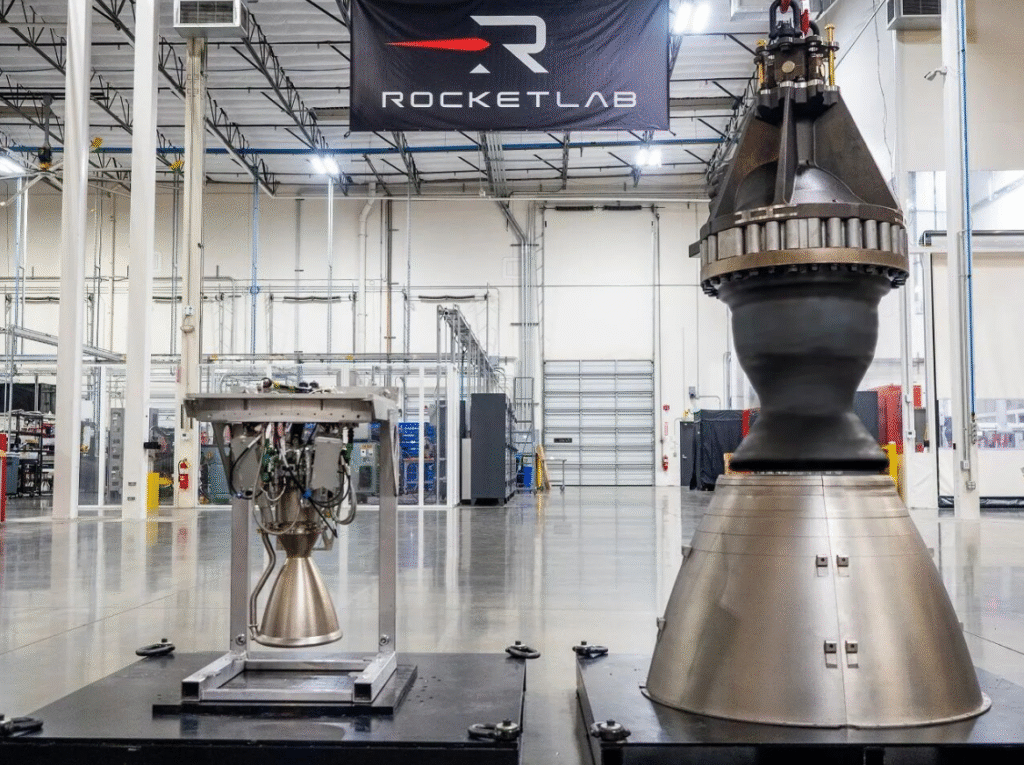
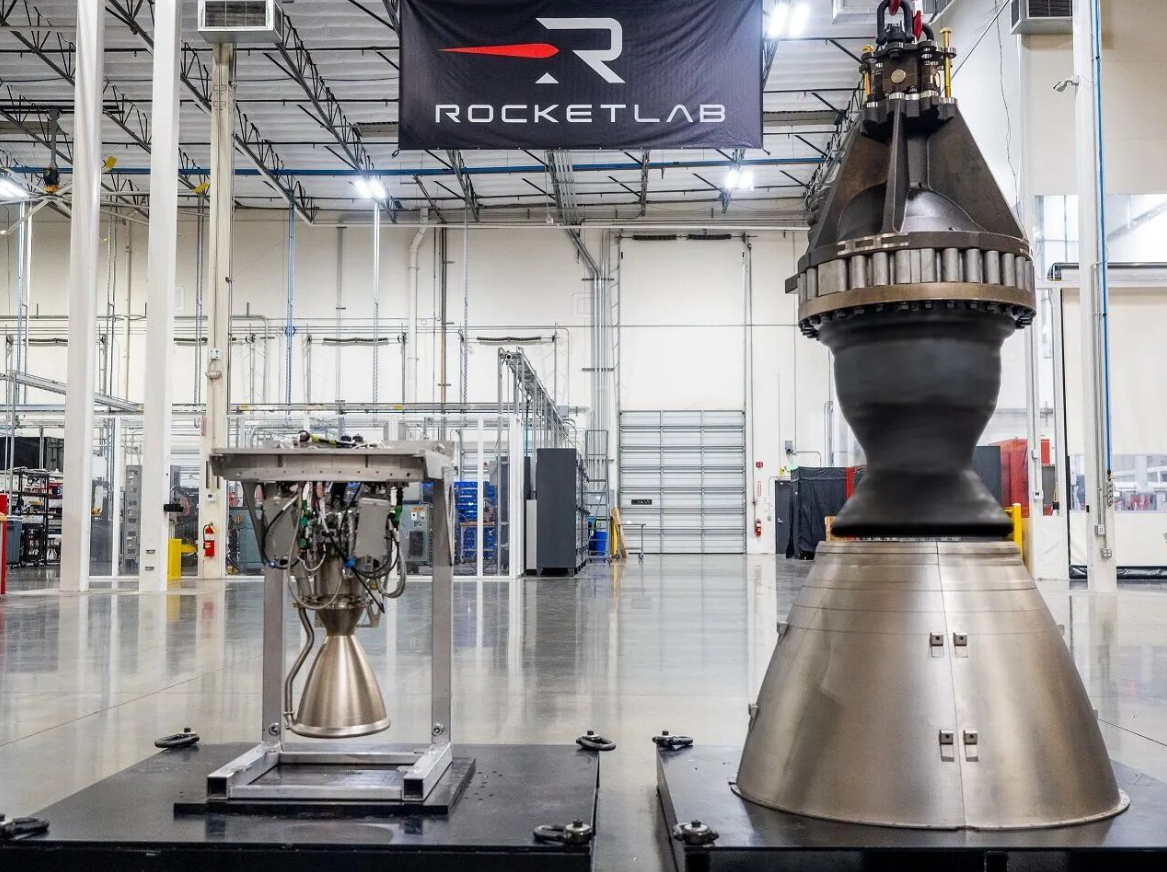
Rocket Lab 3D-printed engines (left: Rutherford engine)
From 1 to 1,000: The path to mass production of 3D-printed engines
The Rutherford engine was Rocket Lab’s inaugural product. Many people are familiar with the iconic image of the company’s founder holding it in his hands—it’s surprisingly small, almost “unassuming” at first glance.
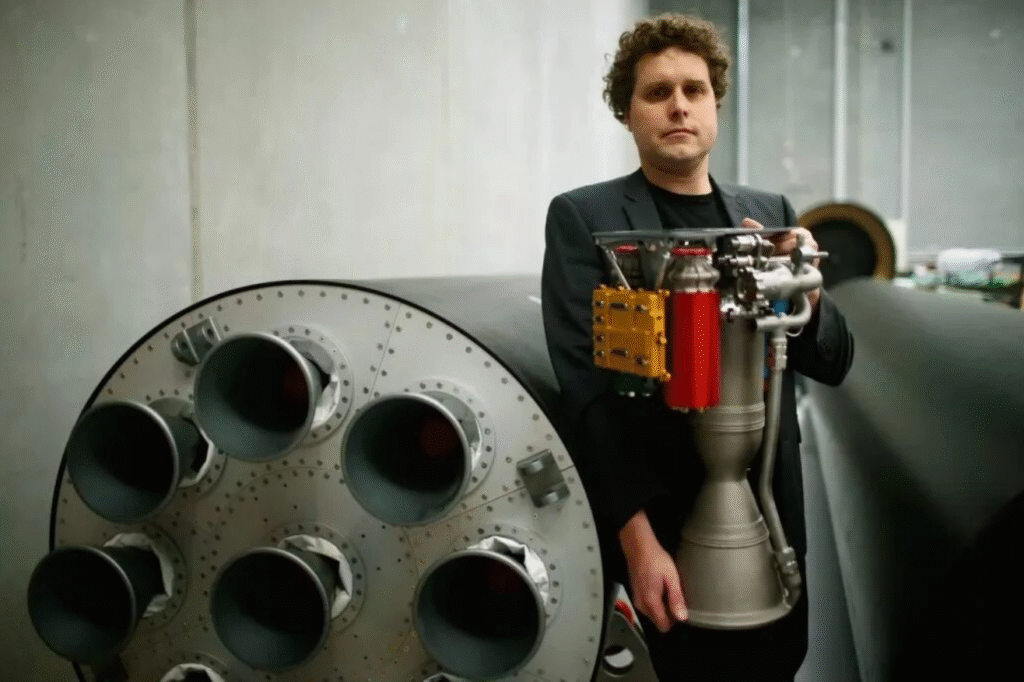
But it was this “small” engine that made history. It is the world’s first rocket engine to use an electric pump-fed cycle and 3D-print all major components. Its combustion chamber, injector, pumps, and main propellant valves are all manufactured using additive manufacturing.
The company has now exceeded 800 launches, starting from its first orbital launch in 2018.
This is an astonishing figure, averaging over 100 engines per year—a production volume extremely rare in the rocket engine industry.
What’s even more remarkable is that production is accelerating. According to data released last year, annual output exceeded 200 engines, indicating significant improvements in both production capacity and efficiency. Previously, yearly production had been less than 100 engines.
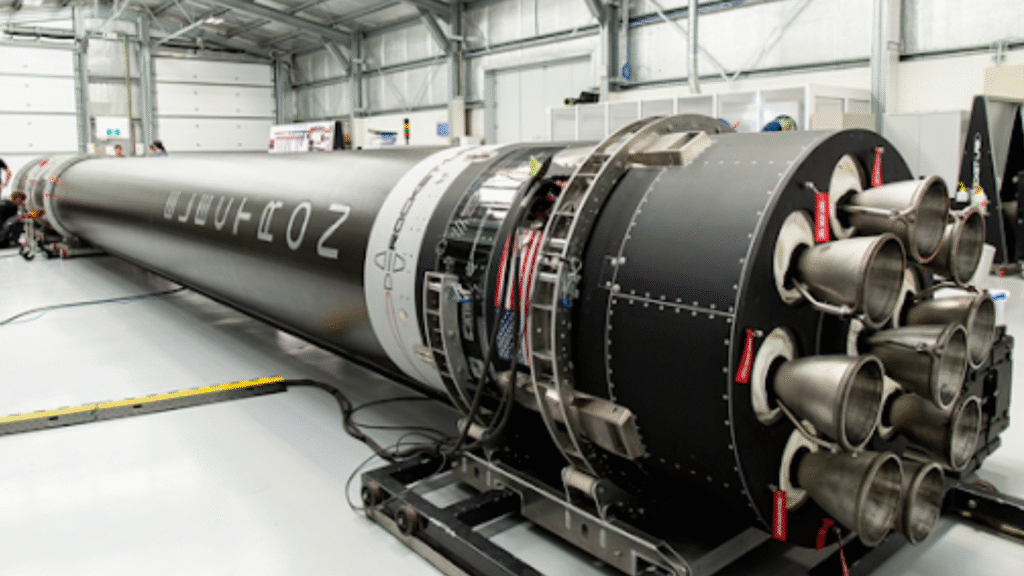
Its founder, Peter Beck, explained that Rocket Lab’s core strategy in investing in 3D printing technology focuses on mass production capability, rather than just technical feasibility.
In typical engine development programs, companies rush to release a workable product, only to spend extensive time on redesigns and iterative testing to achieve the desired performance. Achieving large-scale, reliable mass production often remains out of reach.
Rocket Lab, however, aims to design for mass production from the very start. Back then, the largest metal 3D printers could only build parts around 400 mm in size, so the engine design had to stay within this printable dimension.
As a result, a single Rutherford engine produces only about 2 tons of thrust, measures 250 mm in diameter, and has a simple structure. Each rocket’s first stage requires 9 engines to complete its mission—far smaller in scale compared to the 75-ton or 120-ton engines we often see. Its target market is small satellite launches, with the advantage of flexibility and rapid responsiveness—essentially, a “small dedicated vehicle.”
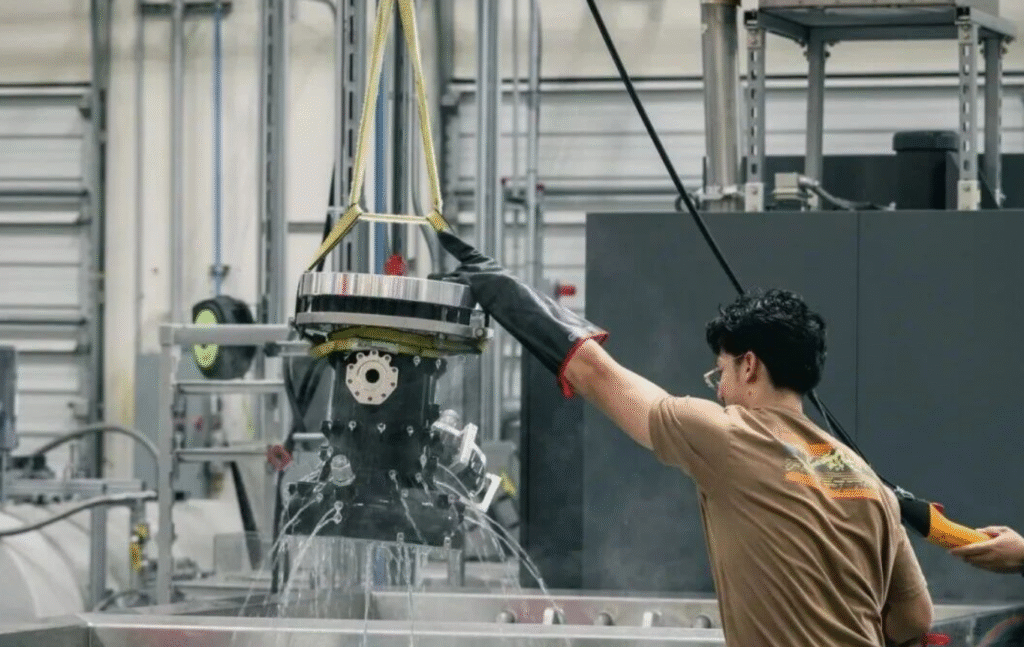
When an engine is “simple enough,” the advantages of rapid 3D printing are fully realized. Rocket Lab has leveraged 3D printing to establish an efficient, stable production line capable of continuously producing large quantities of engine components—or even complete engines—with consistent quality.
This “low-thrust + multiple engines in parallel + 3D-printed mass production” model enabled Rocket Lab to complete 83 launches in roughly eight years (as of March 5, 2026). By the end of 2026, the number of 3D-printed rocket engines launched is expected to exceed 1,000.
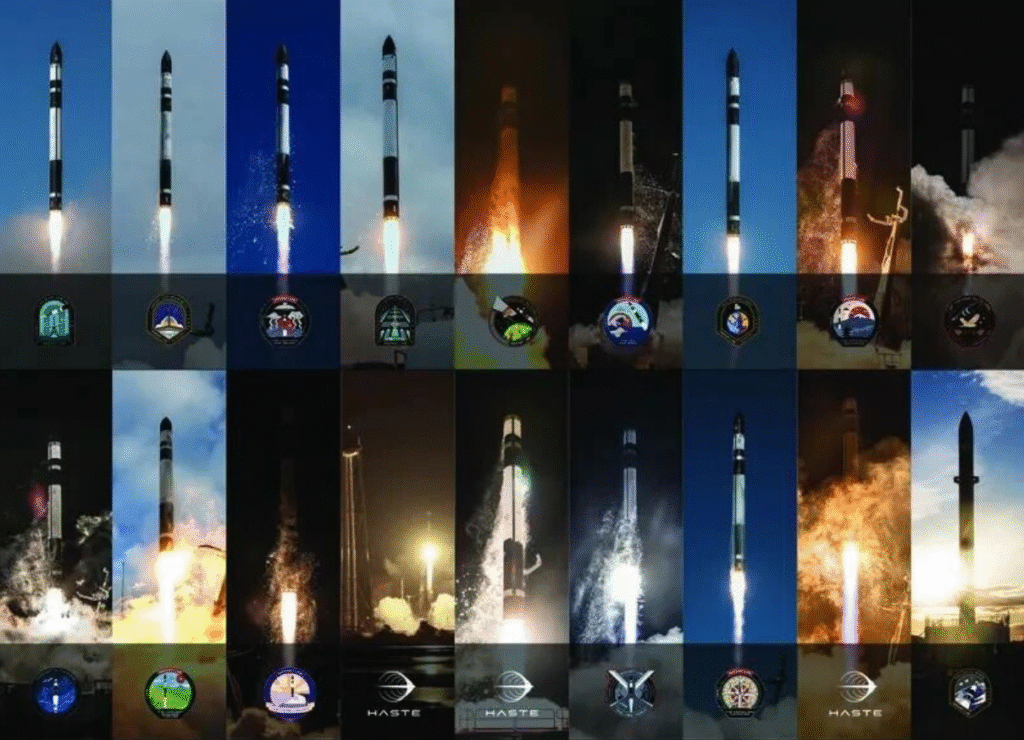
Rocket Lab reported a 100% mission success rate for 2025.
Mass production model → Scaled to reusable high-thrust engines
As one of the first aerospace companies to achieve success using 3D printing, Rocket Lab’s new target is the Neutron medium-lift reusable rocket, for which it has developed the Archimedes engine.
The Archimedes engine uses 3D-printed components for the turbopump housing, thrust chamber, preburner assemblies, valves, and structural parts—over 90% of the engine by mass.
The Neutron rocket’s first stage carries 9 engines, each designed with a minimum of 20 reuses. At full power, each engine produces 74 tons of thrust. The second stage employs the same core component design as the first stage, also enabling full reusability.
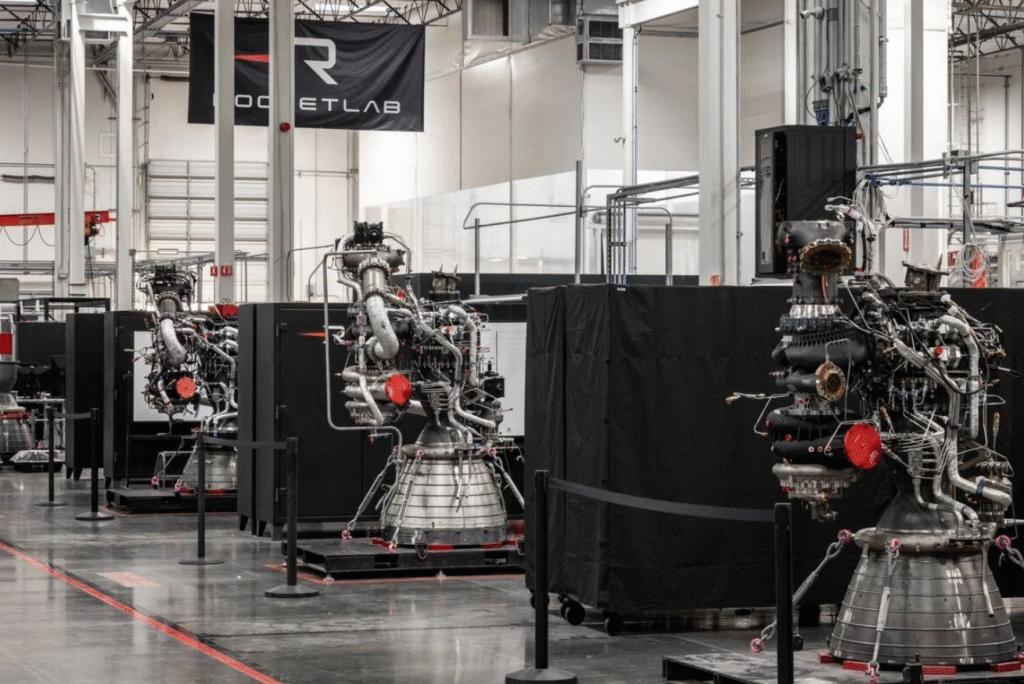
This engine successfully completed full mission testing last year, covering transient starts, steady-state operation, and shutdown performance verification.
Rocket Lab has applied the mass production experience from the Rutherford engine to this new project.
Peter Beck stated, “All of our production infrastructure has been built in parallel with engine development. We assembled an experienced team, established production lines, and enhanced our testing facilities—providing comprehensive support for the long-term mass production of the Archimedes engine.”